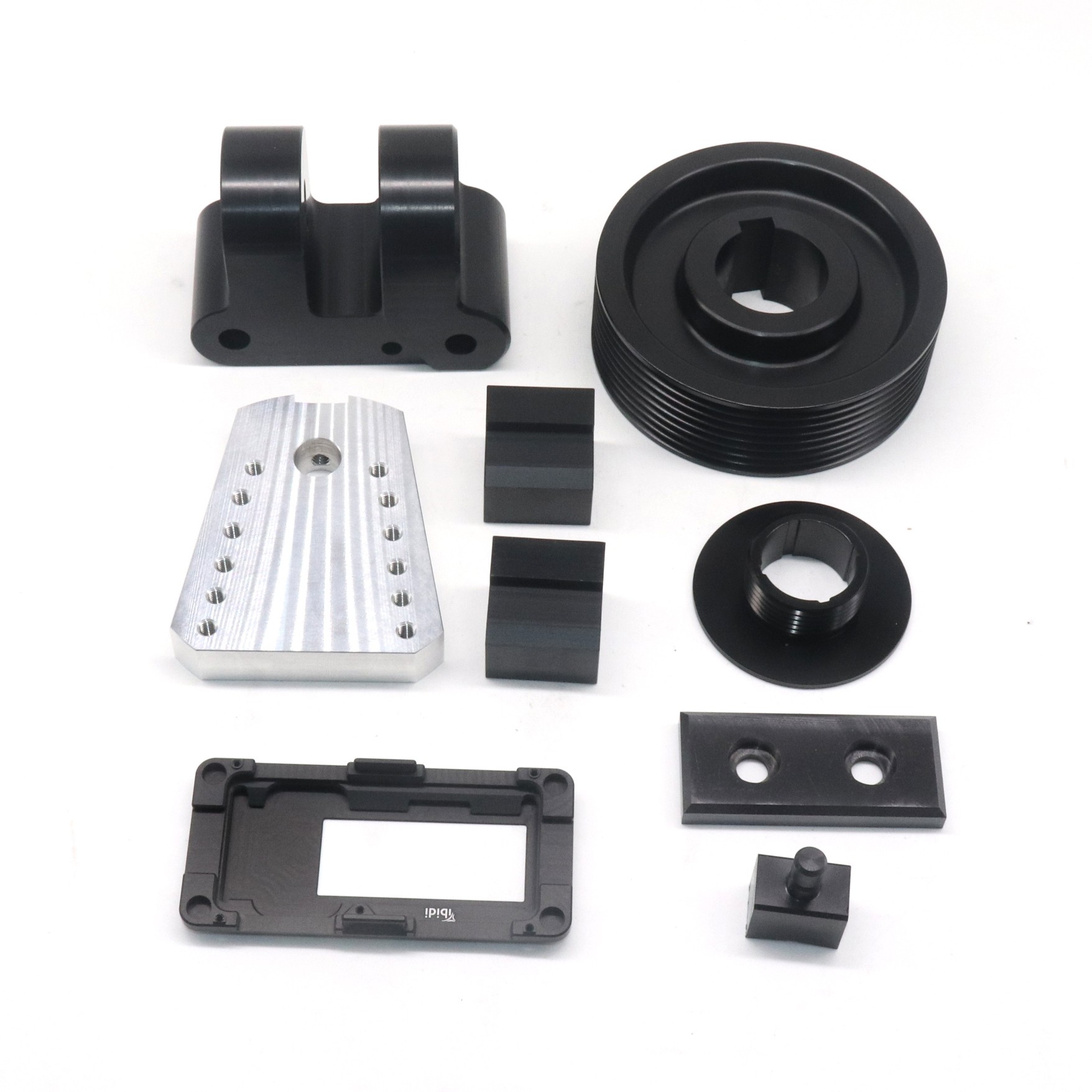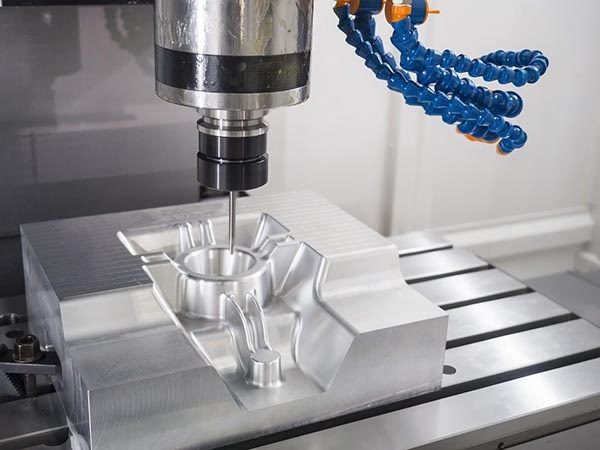
In today’s high-stakes manufacturing environment, where performance, weight, and durability are non-negotiable, the choice of material and the corresponding machining service is a decisive factor for product success. Alloys, engineered materials combining a base metal with other elements, form the backbone of advanced industries from aerospace to medical devices. However, not all CNC alloy machining services are created equal. The ability to precisely shape these often challenging materials into complex, high-tolerance components separates capable workshops from true manufacturing partners. For engineers and procurement specialists, navigating the landscape of different CNC alloy machining services requires a deep understanding of both material science and advanced machining capabilities.
The Foundation: Why Alloy Selection is a Strategic Decision
An alloy is more than just a metal; it’s a tailored solution. By adding elements like chromium, nickel, molybdenum, or silicon, base metals like aluminum, steel, or titanium gain enhanced properties—corrosion resistance, higher strength-to-weight ratios, improved machinability, or exceptional heat tolerance. The selection process is the first critical step in any project. A proficient manufacturing partner doesn’t just accept a material spec; they engage in a consultative dialogue to understand the part’s function, operating environment, and lifecycle requirements. This collaboration can prevent costly over-engineering or, conversely, catastrophic material failure.
A Deep Dive into Key Alloys and Their Machining Nuances
The term CNC alloy machining services encompasses a vast array of materials, each with its own “personality” on the machine shop floor.
1. Aluminum Alloys: The Workhorses of Lightweight Precision
Aluminum alloys (e.g., 6061, 7075, 2024) are prized for their excellent strength-to-weight ratio, good corrosion resistance, and superb machinability.
Service Scope: High-speed 3-axis and 5-axis milling for structural aerospace components, complex electronic enclosures, automotive fittings, and consumer electronics parts.
Machining Consideration: While generally easy to machine, certain high-strength grades like 7075 can be abrasive. Effective chip evacuation and the use of sharp, specialized cutting tools are crucial to prevent material galling and achieve fine surface finishes. An experienced shop will optimize feed rates and spindle speeds to balance efficiency with surface integrity.
2. Titanium Alloys: Conquering Strength and Inertia
Titanium alloys (notably Ti-6Al-4V) represent the high-end of performance, offering exceptional strength, biocompatibility, and resistance to extreme temperatures and corrosion.
Service Scope: Essential for aerospace engine components, surgical implants, high-performance automotive parts, and marine hardware. This is where the true capability of 5-axis CNC machining is unleashed, allowing for the efficient production of complex, monolithic parts from a solid block, eliminating weak points from assemblies.
Machining Consideration: Titanium is notorious for its poor thermal conductivity and tendency to work-harden. This requires specialized expertise: low cutting speeds, high feed rates, constant coolant application, and rigid machine tools to manage cutting forces and dissipate heat. The machining process demands a disciplined, knowledge-driven approach to avoid tool failure and maintain material properties.
3. Stainless Steel Alloys: Where Durability Meets Precision
Stainless steels (such as 303, 304, 316, and 17-4 PH) are defined by their chromium content, which provides a passive oxide layer for corrosion resistance.
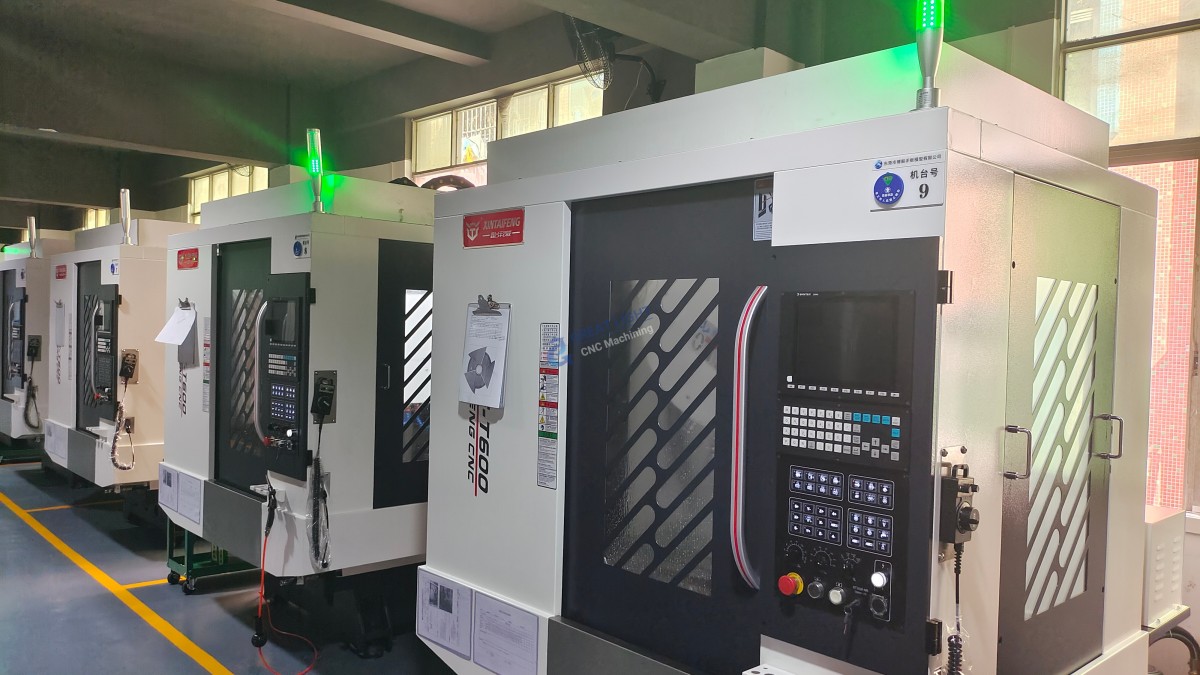
Service Scope: Widely used for medical instruments, food processing equipment, marine components, chemical valves, and high-wear industrial parts. Services range from precision CNC turning for shafts and fittings to multi-axis milling for intricate housings.
Machining Consideration: Austenitic grades (304, 316) can be gummy and create long, stringy chips, requiring sharp tools and specific geometries. Precipitation-hardening grades like 17-4 PH offer the unique advantage of being machined in a softer state and then heat-treated to achieve very high strength, allowing for complex geometries to be formed before hardening.
4. High-Temperature and Tool Steel Alloys
This category includes Inconel, Hastelloy, and various tool steels (e.g., D2, A2). They are selected for applications involving extreme stress, wear, and heat.
Service Scope: Manufacturing turbine blades, extrusion dies, molds, and high-performance cutting tools. Machining these materials is one of the most demanding disciplines.
Machining Consideration: These alloys are extremely hard and abrasive. Machining them requires powerful, ultra-rigid equipment, premium-grade carbide or ceramic cutting tools, and often very conservative machining parameters. The focus is on controlled material removal and thermal management to preserve tool life and part geometry.
Beyond the Machine: The Integrated Service Spectrum
True CNC alloy machining services extend far beyond the cutting operation. They represent a full-spectrum manufacturing solution:
Material Sourcing & Certification: A reliable partner manages the supply chain, providing full material traceability and mill certification for critical applications.
Advanced Machining Techniques: This includes 5-axis simultaneous machining for undercuts and complex contours, high-speed machining for aluminum, and turn-mill operations for complete part completion in a single setup.
Comprehensive Post-Processing: Machining is often just the first step. Services must include heat treatment (annealing, aging, hardening), precision grinding, various surface finishes (anodizing, passivation, plating, powder coating), and specialized processes like EDM for intricate details in hardened steels.
Metrology and Quality Assurance: In-process and final inspection using CMMs, optical comparators, and surface profilometers ensure that every dimension, tolerance (down to ±0.001mm), and surface specification is met, backed by a full First Article Inspection Report (FAIR).
Navigating the Choice: What Differentiates a Capable Partner?
With many providers offering CNC alloy machining services, selection criteria must be rigorous. Look for:
Technical Depth, Not Just Equipment Lists: The expertise to program and process different alloys optimally is more valuable than the number of machines.
A True One-Stop Capability: The ability to handle the entire journey—from material procurement to final surface treatment—streamlines communication, reduces lead times, and ensures accountability.
Systematic Quality Governance: Certifications like ISO 9001:2015 for quality management and IATF 16949 for automotive are not just plaques on the wall; they signify embedded processes that ensure consistency and traceability. For medical components, adherence to ISO 13485 standards is non-negotiable.
Engineering Partnership: The best suppliers function as an extension of your R&D team, offering Design for Manufacturability (DFM) feedback to optimize part design for alloy properties and machining efficiency, potentially reducing cost and improving performance.
For projects demanding the highest levels of precision, complexity, and material performance, partnering with a specialist is paramount. GreatLight CNC Machining Factory exemplifies this model of integrated expertise. With a foundation built on advanced multi-axis machining centers and a deep, practical understanding of alloy behaviors, they provide more than a machining quote—they deliver a certified, full-process manufacturing solution. From the initial DFM consultation on material selection to the final validated part, their approach transforms the challenge of different CNC alloy machining services into a reliable, value-adding partnership. This level of comprehensive capability ensures that whether you are prototyping a groundbreaking medical device or scaling production for a critical aerospace assembly, your alloy components are manufactured to the highest standards of precision and reliability. Learn more about industry leaders pushing the boundaries of precision manufacturing on platforms like LinkedIn{:target=”_blank”}.