
CNC Turning Machining: Revolutionizing Precision Manufacturing
CNC turning machining stands at the forefront of modern manufacturing, representing a blend of innovation, precision, and efficiency. As industries continue to seek ways to enhance productivity and quality, CNC (Computer Numerical Control) turning has emerged as a pivotal process in the realm of machining.
Understanding CNC Turning Machining
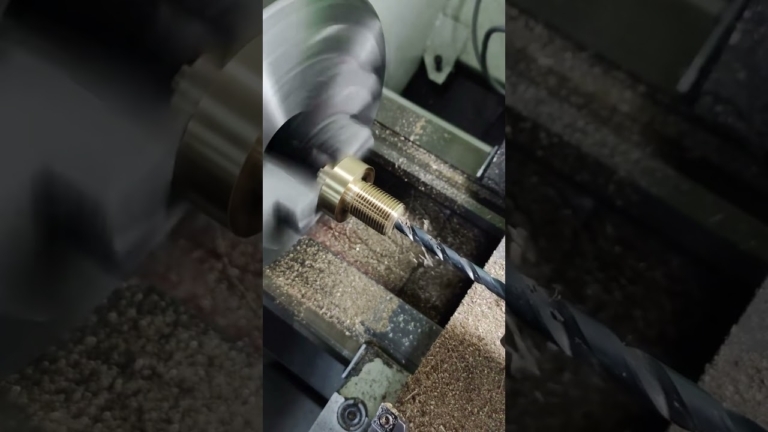
At its core, CNC turning is a subtractive manufacturing process that involves removing material from a rotating workpiece. The material is usually held in a chuck or a collet, where it spins at high speeds. A cutting tool, guided by pre-programmed computer software, is precisely applied to the workpiece to shape it into the desired form. This process is fundamentally different from traditional manual turning, where machinists have to operate the machine manually, making CNC turning not only more efficient but also more accurate.
The Evolution and Advantages of CNC Technology
The evolution of CNC technology has transformed the way machining operates. Traditional machining relied heavily on skilled operators to manage and guide the machinery. However, with the advent of CNC technology, the precision and repeatability of machining processes have reached new heights. This transformation brings numerous advantages:
Precision and Accuracy: CNC machines can achieve a higher degree of accuracy compared to manual processes. With tolerance levels often reaching micrometers, CNC turning is crucial for industries that demand tight specifications like aerospace, automotive, and medical devices.
Consistency: CNC turning machining can produce large volumes of identical parts with consistent quality. The integration of computer control eliminates human error, ensuring that each component meets stringent quality standards.
Efficiency: Speed is a significant benefit of CNC turning. The automation of the machining process allows for faster production cycles and reduced lead times, positively impacting overall productivity.
Complex Geometry: CNC turning excels in creating components with intricate designs and complex geometries that would be exceedingly challenging, if not impossible, to achieve manually.
- Reduced Labor Costs: With automated CNC machines, the need for skilled labor decreases compared to traditional machining. Less manual intervention not only reduces labor costs but also minimizes the risk of worker fatigue and injury.
Applications of CNC Turning Machining
CNC turning machining finds applications across a myriad of industries, showcasing its versatility:
Aerospace Industry
In aerospace, components require extreme precision and reliability. CNC turning is used to manufacture parts such as turbine housings, shafts, and brackets. The high-quality finish required for aerospace applications often mandates the use of advanced CNC machines capable of achieving tight tolerances.
Automotive Industry
The automotive sector utilizes CNC turning for creating a wide range of components, including transmission parts, engine blocks, and wheel rims. The ability to produce intricately designed parts at scale ensures that manufacturers meet the high demands of the market.
Medical Devices
In the medical field, CNC turning is essential for the production of devices that must meet stringent regulatory standards. Medical instruments, implants, and surgeon tools all benefit from the precision and consistency offered by CNC machining processes.
Electronics Manufacturing
The electronics industry also employs CNC turning to produce casings, housings, and components for various devices. This application requires not only precision but also a surface finish that meets aesthetic and functional requirements.
The CNC Turning Process Explained
To fully understand CNC turning, it’s essential to break down its process:
Design and Programming: The first step involves creating a CAD (Computer-Aided Design) model of the part. This model is then converted into G-code, the language that CNC machines understand, via CAM (Computer-Aided Manufacturing) software.
Setup: The machinist prepares the machine by securing the material in the chuck and installing the cutting tool.
Machining: Once set up, the CNC machine starts executing the programmed instructions. The spindle rotates the workpiece while the cutting tool moves along predetermined paths, gradually removing material until the desired shape is achieved.
Finishing: After the primary machining process, further finishing operations, such as polishing or coating, may be used to enhance the surface finish or add protective layers.
- Quality Control: The final components often undergo rigorous quality control checks to ensure they meet specifications, including dimensional and surface finish evaluations.
Choosing the Right CNC Turning Service
When it comes to selecting a CNC turning service, several factors should be considered:
Expertise and Experience
A reputable CNC machining service should have a proven track record of producing quality parts across various industries. Their expertise can significantly impact the quality and turnaround time of your components.
Technology and Equipment
The type of CNC machines and technology used is critical. Advanced machining centers often come equipped with features such as multi-axis capabilities, which can enhance the complexity and variety of parts produced.
Material Selection
Different materials behave differently during machining processes. A good CNC service should offer a range of materials and have experience working with them, from metals like aluminum and stainless steel to plastics and composites.
Support and Communication
Clear communication is vital throughout the machining process. A solid CNC service provider should maintain transparent communication regarding timelines, cost estimates, and any potential issues that may arise.
Cost-Effectiveness
While balancing quality and cost is essential, the cheapest option isn’t always the best. Evaluate quotes based on the overall value provided, including quality assurance, delivery times, and customer service.
Future Trends in CNC Turning Machining
As technological advancements continue, the future of CNC turning machining looks promising. Some potential trends include:
Integration with AI: Artificial intelligence can optimize machining speeds and tool paths, improving efficiency and quality.
Greater Customization: As demand for customized products increases, CNC turning machines will adapt to handle more specialized orders.
Sustainability Initiatives: Efforts to reduce waste and energy consumption in manufacturing processes are becoming more vital. CNC machining technology is evolving to embrace more eco-friendly practices.
- Automation and IoT: The integration of IoT (Internet of Things) technology will allow for real-time monitoring and data collection, leading to smarter manufacturing operations.
Final Thoughts
CNC turning machining has undoubtedly revolutionized the manufacturing landscape, offering unmatched precision, efficiency, and flexibility. As industries continue to embrace technological advancements, the potential for CNC turning to enhance production capabilities only grows. Understanding its processes, applications, and future trends can help businesses leverage this technology to optimize their manufacturing efforts, reduce costs, and maintain competitive advantage.
In conclusion, CNC turning machining is not just a tool of the trade; it is a key player in the future of manufacturing. Whether in aerospace, automotive, medical, or electronics, the impact of CNC turning is undeniable, paving the way for innovative solutions and improved performance in the manufacturing sector.
Daguang focuses on providing solutions such as precision CNC machining services (3-axis, 4-axis, 5-axis machining), CNC milling, 3D printing and rapid prototyping services.



















