
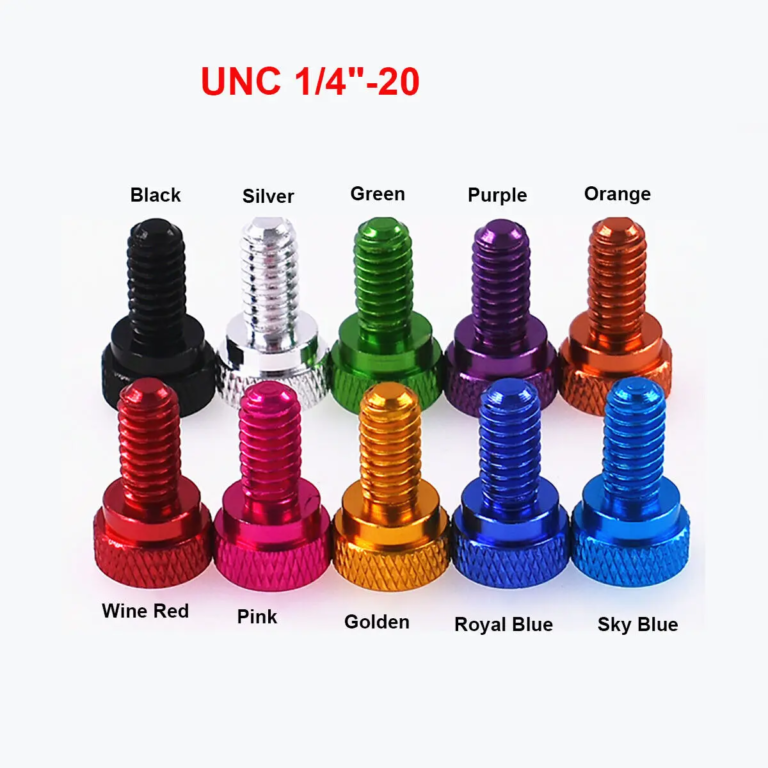
Birmingham’s Precision Powerhouse: Unlocking the Potential of CNC Turned Parts
Birmingham, a city synonymous with industrial heritage and modern innovation, serves as a vital hub for advanced manufacturing. Within this dynamic landscape, CNC turned parts stand as a cornerstone technology, enabling the production of complex, high-precision cylindrical components that underpin countless industries. For businesses seeking reliable, sophisticated component manufacturing, understanding and leveraging this technology is crucial.
What Exactly are CNC Turned Parts?
At its core, CNC (Computer Numerical Control) turning is a machining process where a cutting tool moves linearly along the axis of a rotating workpiece (held in a chuck) to remove material. This creates cylindrical features like diameters, shoulders, tapers, and intricate contours. Modern CNC turning centers, particularly five-axis machines, elevate this process to new heights.
- Three-Axis Turning: The classic setup involves movement along X (left-right), Y (front-back), and Z (up-down) axes relative to the spindle’s rotational axis. Ideal for many standard parts.
- Five-Axis Turning: This revolutionary capability combines the three-axis movements with two additional rotational axes (A & C). This allows the cutting tool or the workpiece itself to tilt and pivot, enabling machining of highly complex, non-cylindrical shapes – undercuts, intricate angles, slots, and even simultaneous multi-axis cutting – without complex setups or additional machines.
Why Birmingham? A Hub for Precision Turning
Birmingham’s strength in this field stems from several factors:
- Industrial Legacy & Skilled Workforce: A history steeped in metalworking fosters a deep pool of experienced engineers and technicians who understand the demands of precision manufacturing.
- Advanced Technology: The city boasts a concentration of companies utilizing state-of-the-art CNC turning centers, including sophisticated five-axis machines capable of handling demanding projects.
- Diverse Industry Reach: Birmingham companies serve a vast local, national, and international client base across aerospace, automotive, medical, hydraulics, energy, and consumer goods sectors, demanding varying levels of precision and complexity.
- Supply Chain & Support: Access to a robust supply chain for materials, tooling, and ancillary services supports the CNC turning ecosystem.
- Commitment to Innovation: The region actively embraces new technologies and processes to meet evolving manufacturing challenges.
The Advantages of Partnering with a Birmingham CNC Turned Parts Specialist
Choosing a local expert like GreatLight offers distinct benefits:
- Unmatched Precision: Modern CNC machines, especially five-axis systems, achieve tolerances often tighter than 0.001mm, ensuring parts fit and function flawlessly.
- Complexity & Versatility: Five-axis turning unlocks the ability to manufacture intricate, near-net-shape components impossible or prohibitively expensive with older methods. Complex geometries are feasible.
- Material Expertise: Professionals can guide material selection (stainless steel, titanium, aluminum, plastics, exotic alloys) based on part requirements, ensuring optimal performance and cost-effectiveness.
- Efficiency & Speed: CNC automation ensures high repeatability and throughput, reducing lead times compared to manual processes for medium to high volumes. GreatLight emphasizes fast turnaround.
- One-Stop Solution: Reputable providers offer comprehensive services: design assistance, machining (including milling, grinding, assembly), finishing (anodizing, plating, polishing), and quality control.
- Quality Assurance: Rigorous in-process inspection and final verification (CT scanning, CMM) guarantee part integrity and consistency.
- Cost-Effectiveness at Scale: While setup costs exist, CNC excels for both prototyping and medium to high-volume production, offering consistent pricing and avoiding tooling waste common in other methods.
Applications Driving Demand in Birmingham
CNC turned parts are ubiquitous:
- Aerospace: Critical engine components (spindles, valves, bushings), hydraulic fittings, instrumentation housing.
- Automotive: Transmission parts (gears, shafts), engine components (valve stems, camshafts), sensor housings, brake components.
- Medical: Precision surgical instrument components, implantable device parts (requiring biocompatible materials).
- Hydraulics & Pneumatics: Valves, manifolds, cylinders, connectors requiring high precision and durability.
- Industrial Machinery: Bearings, bushings, gears, couplings, fixtures, and custom components for automation equipment.
- Consumer Electronics: Precision mounting brackets, housing components, connectors, and small mechanical parts.
Choosing Your CNC Turned Parts Partner in Birmingham
Selecting the right manufacturer is paramount. Look for:
- Proven Expertise: Extensive experience specifically with CNC turning and five-axis machining.
- Advanced Equipment: Investment in modern, well-maintained machines capable of meeting your tolerance and complexity requirements.
- Comprehensive Capabilities: Full-service shop for design, machining, finishing, and assembly.
- Quality Focus: Robust quality control processes and certifications (ISO 9001 preferred).
- Communication & Collaboration: Clear communication, responsiveness, and a willingness to collaborate on design for manufacturability (DFM).
- Scalability: Ability to handle both prototyping and volume production efficiently.
GreatLight: Your Precision Partner
As a leading five-axis CNC machining manufacturer in Birmingham, GreatLight embodies the future of precision component manufacturing. Their advanced five-axis equipment, combined with skilled engineers and a commitment to rapid, high-quality production across diverse materials, positions them as a premier solution for complex turned parts. They offer the flexibility to tackle both intricate prototypes and demanding production runs, backed by comprehensive finishing services to deliver fully qualified components.
Conclusion
CNC turned parts, particularly those crafted on sophisticated five-axis machines, are the lifeblood of advanced manufacturing in Birmingham and beyond. They deliver the precision, complexity, speed, and quality demanded by modern industries. Partnering with a specialized, high-caliber provider like GreatLight transforms the potential of these components into tangible, reliable solutions. Whether you’re designing the next aerospace innovation or a critical automotive component, embracing Birmingham’s CNC turning expertise ensures your project achieves the highest standards of performance and reliability.
FAQs: Your Questions Answered
1. What materials can be used for CNC turned parts?
- Common materials include stainless steels (304, 316, 17-4 PH), carbon steels, aluminum alloys (6061, 7075), titanium, brass, bronze, and various engineering plastics. Exotic alloys and specialized materials are often possible with experienced machinists.
2. What does "Five-Axis CNC Machining" mean?
- It combines the standard X, Y, and Z linear axes with two additional rotational axes (A & C). This allows the cutting tool to approach the workpiece from any angle, enabling the machining of complex 3D shapes, undercuts, and intricate internal features without repositioning the part.
3. How long does it take to get custom CNC turned parts?
- Lead times vary significantly based on part complexity, required quantity, and material. Simple prototypes might take days, while complex high-volume runs could take weeks. Reputable suppliers will provide a clear timeline during quoting.
4. How precise are CNC turned parts?
- Modern CNC machines are capable of extremely tight tolerances, typically ranging from ±0.001mm to ±0.005mm (±0.00004" to ±0.0002"), depending on the machine, tooling, and material. Five-axis machines offer even greater geometric accuracy for complex features.
5. Can I get help designing my part for CNC turning?
- Absolutely! Reputable CNC machining partners offer Design for Manufacturability (DFM) consultations. Their engineers can review your design to identify potential issues, optimize it for cost-effectiveness and manufacturability using CNC turning processes, and suggest improvements.
6. What finishes can be applied to CNC turned parts?
- Common post-machining finishes include:
- Polishing: Various grades (e.g., 32RA, 16RA, 8RA) for aesthetic or smooth surface requirements.
- Anodizing: Especially for aluminum (type II & III for color and corrosion resistance).
- Plating: Nickel, chromium, zinc, etc., for corrosion resistance, wear resistance, or appearance.
- Painting/Coating: Specialized industrial coatings for specific environmental requirements.
- Heat Treating: To achieve desired material properties (e.g., hardening, tempering).
7. Do I need to have a 3D CAD model before I can get a quote?
- Having a 3D CAD model (STEP, IGES, SolidWorks, etc.) is ideal as it allows for accurate quoting, DFM review, and simulation. However, suppliers can often work from 2D drawings, sketches, or even verbal descriptions. Providing detailed specs is crucial.
8. How do you ensure part quality and consistency?
- Quality is ensured through:
- Advanced Measurement: Coordinate Measuring Machines (CMMs), optical comparators, and specialized probes on CNC machines.
- In-Process Inspection: Checking critical dimensions during manufacturing.
- Final Verification: Thorough inspection of all critical features after completion.
- Process Control: Rigorous documentation and adherence to approved processes.
- Material Certification: Verification of material traceability and properties.
9. Can CNC turned parts be used for medical or food-grade applications?
- Yes, absolutely. This requires specifying the correct biocompatible materials (e.g., specific stainless steels like 316L, certain grades of titanium) and ensuring the machining process complies with strict clean room requirements and sanitary design principles (e.g., smooth finishes, no hidden crevices). The chosen supplier must have specific capabilities and certifications for these applications.
10. How do I get started with a custom CNC turned parts project?
- Reach out to potential suppliers like GreatLight. Provide detailed information: part drawings (2D or 3D), material requirements, required tolerances, quantities, and any special finish or assembly needs. They will review your requirements, provide a competitive quote, discuss timelines, and guide you through the process.



















