
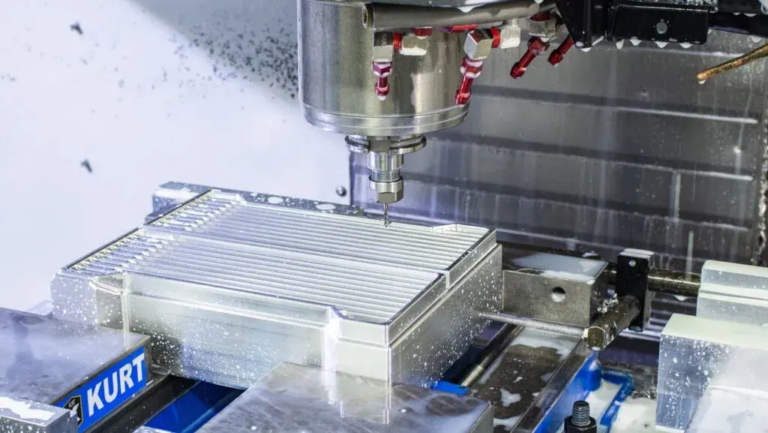
As a CNC machining service provider, understanding the importance of processing parameters in CNC machining is critical to achieving the best results. In this article, we will dig into the world of processing parameters and provide a comprehensive guide on how to optimize them according to CNC machining needs.
What are processing parameters?
Processing parameters are the settings and conditions that define the processing process. These parameters include factors such as feed rate, cutting speed, cutting depth and tool geometry. Each parameter has a specific impact on the result part, and understanding their relationship is essential to achieve the best result.
Types of parameters for processing
Several types of processing parameters can be adjusted to achieve the best results. These include:
*Feed rate: This is the rate at which the cutting tool moves along the part being processed. Higher feed rates can produce faster processing times, but may also increase the risk of tool rupture.
*Cutting speed: This refers to the rate at which the cutting tool rotates. Higher cutting speeds can produce a smoother finish, but may also increase the risk of vibration and tool breakage.
* Cutting depth: This refers to the amount of material to be removed in a single pass. Deeper cutting can produce faster machining times, but may also increase the risk of tool rupture and vibration.
* Tool geometry: This refers to the shape and design of the cutting tool. Different tool geometry can produce different results, such as increased cutting speed or improved surface finishes.
How to optimize processing parameters
Optimizing processing parameters requires a combination of experiments, analytical thinking and experience. Here are some tips to help you optimize processing parameters:
*Start from baseline: First set the baseline of processing parameters known to produce good results. This may include factors such as feed rate, cutting speed and cutting depth.
* Experiment and analysis: Once you have a baseline, try different processing parameters to see how they affect the resulting portion. Analyze the results to identify trends and patterns.
* Adjust and perfect: Adjust and perfect the processing parameters based on your analysis to get the best results.
*Consider Material: Different materials have different characteristics and require different processing parameters. When setting processing parameters, consider the material being processed.
*Consider the machine: Different machines have different functions and limitations. Consider the machine used when setting up processing parameters.
in conclusion
Optimizing processing parameters is a critical step in achieving the best results in CNC machining. By understanding the types of processing parameters and how to optimize them, you can improve the quality and efficiency of your parts. Remember to consider materials and machines when setting processing parameters from baseline, experiment and analysis.
FAQ:
Q: What are the most important processing parameters in CNC processing?
Answer: The most important processing parameter in CNC processing is the feed rate. This determines the rate at which the cutting tool moves along the part being processed.
Q: What is the difference between cutting speed and feeding speed?
Answer: The cutting speed refers to the rate at which the cutting tool rotates, and the feed rate refers to the rate at which the cutting tool moves along the parts being processed.
Q: How to optimize my processing parameters?
A: To optimize processing parameters, please first set the baseline, experiment and analysis, adjust and perfect, and consider the materials and machines used.
Q: What are the common errors in setting processing parameters?
A: Common errors when setting processing parameters include using too high feed rates, cutting speeds, or cutting depths, which can cause tool breakage and vibration.



















