
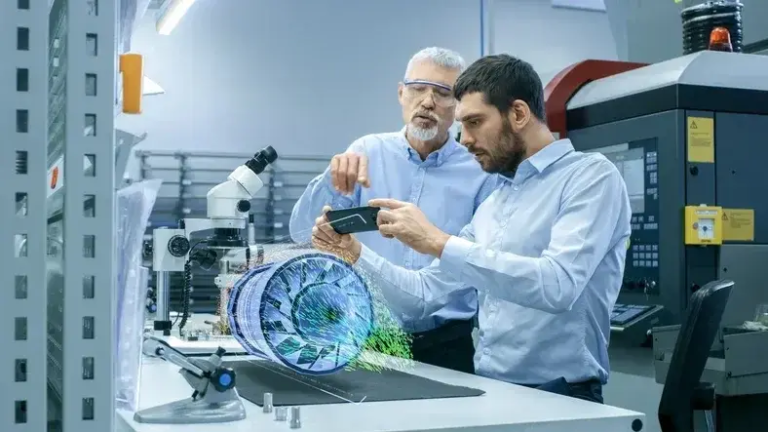
CNC machining system: Overview
CNC machining, abbreviation for computer numerical control, is a manufacturing process that uses computer-controlled machines to cut and shape materials such as metals, plastics and glass. This technology revolutionizes manufacturing, allowing the rapid production of complex parts and products with high precision and accuracy. In this article, we will dig into the world of CNC machining systems and explore its components, advantages and applications.
What is a CNC machining system?
A CNC machining system is usually composed of five basic components:
- Computer Aided Design (CAD): Software for designing and creating digital models of parts to be manufactured.
- Computer Numerical Control (CNC): Explain the CAD design and send instructions to the computer system of the machine tool.
- machine tool: Physical equipment that performs actual machining, such as a milling machine or lathe.
- Spindle: Rotary cutter that shapes the material according to CNC instructions.
- Coolant system: A device that provides coolant for cutting tools and workpieces, improves processing efficiency and reduces tool wear.
How does CNC machining system work?
The process begins with designing parts using CAD software. The design is then converted into numerical codes that the CNC system can understand. The CNC system reads the code and sends instructions to the machine tool that performs the cutting operation. The spindle is controlled by a CNC system that adjusts its speed and direction to achieve the desired shape.
Advantages of CNC machining system
CNC machining systems offer many advantages, including:
- High precision and accuracy: CNC machines can repeat the same cutting operations with high precision, ensuring consistent quality.
- Rapid production: CNC machines can work continuously, reduce production time and increase productivity.
- Multifunctional: CNC machines can be used to handle a variety of materials including metals, plastics and glass.
- Cost-effective: CNC machining systems can reduce production costs by minimizing labor and equipment costs.
Application of CNC machining system
CNC machining systems are widely used in various industries, including:
- aerospace: Use CNC machining to produce precise parts of aerospace components, such as engine components and satellite parts.
- car: CNC machining is used to manufacture automotive parts such as engine blocks, cylinder heads and gearboxes.
- Medical: CNC processing is used to produce medical equipment such as surgical instruments, implants and dental prostheses.
- Consumer Products: CNC processing is used to produce consumer products such as kitchen appliances, electronics and sporting goods.
in conclusion
In short, CNC machining systems are an important part of modern manufacturing, with high precision, rapid production and versatility. Whether you are producing aerospace components, automotive parts, medical equipment or consumer products, CNC machining systems can help you achieve your manufacturing goals. With the right equipment and expertise, CNC machining can transform your business game.
Frequently Asked Questions
Q: What are the benefits of CNC processing?
A: CNC machining provides high precision, rapid production and versatility, making it an ideal choice for manufacturing complex parts.
Q: What are the different types of CNC processing?
A: There are several types of CNC machining processes, including milling, turning, grinding and EDM (electrical emission machining).
Q: What materials can be used for CNC processing?
A: CNC machining can be used with a variety of materials, including metals, plastics, glass and ceramics.
Q: How to choose the right CNC processing service provider?
A: Find providers with experience, expertise and high-quality equipment to ensure accurate and reliable manufacturing.



















