
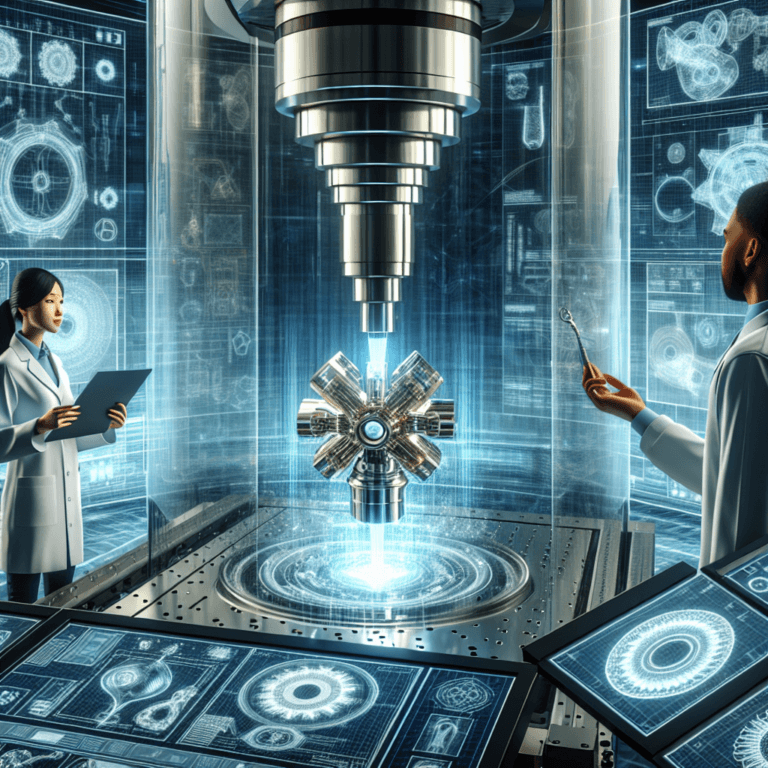
In recent years, driven by technological advancements, the field of medical device manufacturing has experienced a paradigm shift, especially in the field of CNC (computer numerical control) machining. This cutting-edge technology not only redefines precision and efficiency, but also sets new standards for innovation in the medical field. By harnessing the power of automation, CNC machining streamlines the production process of complex medical devices, ensuring high-quality output that meets strict regulatory requirements.
Learn about CNC machining
CNC machining is an advanced manufacturing process that uses computer-controlled machines to create complex parts and assemblies from a variety of materials. By using pre-programmed software, CNC machines can perform a variety of operations such as drilling, milling, turning, and grinding with unparalleled accuracy.
The evolution of CNC machining
To fully understand the impact of CNC machining on medical device manufacturing, it is necessary to understand its evolution. CNC technology emerged in the 1950s and was originally designed to manufacture parts for the automotive and aerospace industries. However, its applications have expanded significantly over the decades. The medical industry’s need for high precision and the ability to produce complex geometries has increasingly turned to CNC machining for its manufacturing needs.
Main features of CNC machining
-
accurate: CNC machining provides extremely high precision, with measurement tolerances in the micron range. This kind of precision is critical for medical devices, where even small differences can impact device performance.
-
automation: Automation of machining processes reduces human errors and increases productivity. CNC machining can run continuously, allowing for high-volume production.
-
flexibility: Modern CNC machines are capable of processing a variety of materials, including metals, plastics and composites. This flexibility is critical for manufacturers producing a wide range of medical devices.
- Scalability: CNC machining can effectively scale production, allowing manufacturers to smoothly transition from prototyping to volume production.
The role of CNC machining in medical device manufacturing
1. Prototyping and product development
CNC machining plays a key role in the prototyping phase of medical device development. Rapid prototyping technology enables engineers to quickly create prototypes and test their functionality and design flaws. This aspect of CNC machining speeds up development cycles, allowing medical device manufacturers to bring innovative products to market faster.
2. Production of parts and components
Medical devices often consist of multiple components, each requiring precise specifications. CNC machining excels in the precise production of these parts, whether they are surgical instruments, implantable devices, or diagnostic equipment. The ability to fabricate complex geometries is particularly beneficial for creating parts that meet the specific requirements of medical applications.
3. Customization
Personalized medicine is revolutionizing the healthcare industry, and CNC machining is at the forefront of this movement. The precision and adaptability of CNC machines allow manufacturers to create customized medical devices based on the individual needs of patients. From custom orthopedic implants to specialized surgical tools, CNC machining enables the production of unique and innovative solutions in healthcare.
4. Quality Control and Compliance
In the regulated healthcare industry, compliance with quality standards is non-negotiable. CNC machining combined with advanced quality control systems allows manufacturers to maintain strict standards throughout the entire production process. Automated inspection systems can be employed to verify that components meet specifications, ensuring consistent quality and compliance with FDA and ISO regulations.
5. Material advantages
The materials used in medical devices have a direct impact on their performance and safety. CNC machining supports the use of a variety of raw materials such as titanium, stainless steel, and biocompatible polymers. The ability to precisely machine these materials ensures the integrity and reliability of the equipment produced.
6. Cost-effectiveness
While the initial investment in CNC machinery may be large, the long-term cost savings are substantial. CNC machining reduces waste through precise cutting technology and minimizes labor costs through automation. This efficiency is especially valuable in the medical device industry, where competition is fierce and margins can be tight.
The future of CNC machining in medical device manufacturing
1. Integrate with 3D printing
The convergence of CNC machining and additive manufacturing (3D printing) offers exciting opportunities for the development of medical devices. While CNC machining excels at producing solid parts, 3D printing can create complex structures and geometries that may not be possible with traditional methods. Together, these technologies can further innovate and enhance design possibilities for medical device manufacturing.
2. Intelligent Manufacturing and Industry 4.0
The promotion of smart manufacturing and Industry 4.0 will redefine CNC machining. Utilizing IoT (Internet of Things) principles, manufacturers can monitor machine performance in real time, optimize processes and leverage data analysis for continuous improvement. This integration will increase efficiency, reduce downtime and enhance the ability to respond to market demands.
3. Advanced materials and surface treatments
Future advances in materials science may lead to the development of new materials with enhanced performance for medical devices. Combined with CNC machining, these materials could usher in a new era of lighter, stronger, and more biocompatible devices. Innovations in surface treatments will also enhance the functionality and longevity of medical devices by improving wear resistance and antimicrobial properties.
4. Pay more attention to sustainable development
Sustainability is becoming a top priority in manufacturing. The medical device industry needs to address environmental issues by focusing on environmentally friendly materials and waste reduction. CNC machining can play a role in this effort by minimizing material waste through precise manufacturing and enabling the recycling of certain raw materials.
Challenges faced by CNC machining in the medical field
Despite the many advantages of CNC machining, medical device manufacturing is not without its challenges.
1. High initial setup costs
The investment required in CNC machinery and related software can be considerable. For smaller manufacturers, these high upfront costs can be prohibitive, creating a barrier to market entry.
2. Shortage of skilled labor
As CNC machining technology becomes more complex, the need for skilled operators continues to grow. However, there is still a shortage of trained professionals who can effectively operate and maintain advanced CNC machinery.
3. Regulatory Compliance
The medical device industry is highly regulated, with stringent requirements for quality and compliance. Navigating these regulatory waters can be a daunting task for manufacturers, especially when introducing new technologies or processes.
4. Network security issues
With the rise of smart manufacturing and the integration of IoT devices, cybersecurity has become a pressing issue. Protecting sensitive data and manufacturing processes from cyber threats is critical to maintaining the integrity of production.
in conclusion
CNC machining is undoubtedly revolutionizing medical device manufacturing by increasing precision, efficiency, and innovation. As the industry continues to leverage this technology, the potential for customized solutions, improved quality control, and lower costs is becoming increasingly apparent. With future advances in materials science, smart manufacturing, and sustainability, the role of CNC machining in the medical field will become even more important.
As manufacturers grapple with challenges such as regulatory compliance, skilled labor shortages, and cybersecurity threats, the opportunity to adopt CNC machining as a cornerstone of medical device development remains bright. Collaboration between technology and healthcare is paving the way for a more effective, trustworthy and innovative medical device landscape, fundamentally changing the way we address the healthcare challenges of today and tomorrow.
FAQ
Q1: What is CNC machining?
A1: CNC machining is a manufacturing process that uses computer-controlled machines to produce high-precision parts from a variety of materials.
Q2: What benefits does CNC machining have for medical device manufacturing?
A2: CNC machining offers advantages such as precision, automation, flexibility, quality control, customization, and cost efficiency, all of which are critical to producing high-quality medical devices.
Q3: What types of medical devices can be manufactured by CNC machining?
A3: CNC machining can produce a variety of medical devices, including surgical instruments, orthopedic implants, diagnostic equipment and custom healthcare solutions.
Q4: How to combine CNC processing with 3D printing?
A4: The integration of CNC machining and 3D printing combines the advantages of both technologies, allowing manufacturers to create complex structures while maintaining high precision in physical parts.
Q5: What are the challenges of using CNC machining in the medical field?
A5: Challenges include high initial setup costs, skilled labor shortages, compliance with regulations, and addressing cybersecurity issues related to smart manufacturing.
Q6: What is the prospect of CNC machining in the medical device industry?
A6: The future of CNC machining in the medical field includes advancements in materials, an increased focus on sustainability, integration with Industry 4.0 technologies, and the potential for revolutionary customization of medical devices.
Daguang focuses on providing solutions such as precision CNC machining services (3-axis, 4-axis, 5-axis machining), CNC milling, 3D printing and rapid prototyping services.


















