
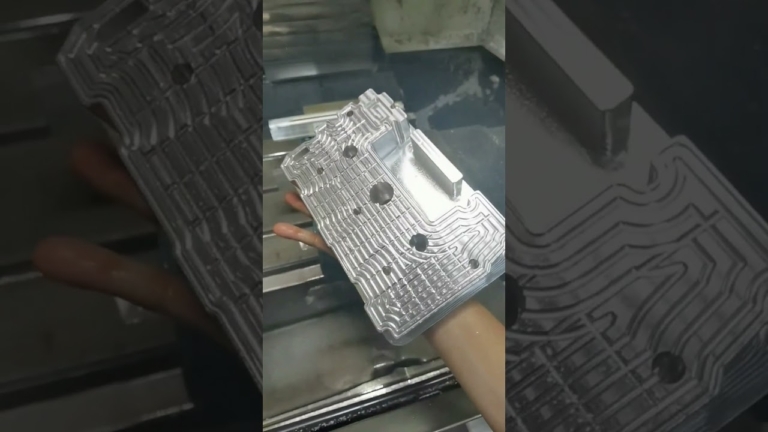
In an era where electronics and technology are rapidly advancing, the demand for customized electronic housings has increased significantly. This has led to a growing need for precision and efficiency in the manufacturing process. CNC (Computer Numerical Control) machining offers a reliable and efficient solution for producing high-quality electronic housings with precision and accuracy.
What is CNC Machining?
CNC machining is a manufacturing process that uses computer-controlled machines to remove metal through various cutting tools to create a wide range of products, including electronic housings. This process involves a computer-aided design (CAD) model of the housing, followed by programming and execution of the machine. The machine uses a cutting tool, such as a mill or lathe, to remove material and shape the housing according to the designed specifications.
Benefits of CNC Machining for Electronic Housings
CNC machining offers numerous benefits for producing electronic housings, including:
Increased Precision and Accuracy
CNC machining enables precise control over the manufacturing process, ensuring that the electronic housing is manufactured with high accuracy and precision. This leads to a precise fit, reduced waste, and a more efficient production process.
Faster Production Time
CNC machines are capable of operating at high speeds, reducing production time and increasing efficiency. This allows manufacturers to meet tight production deadlines and respond quickly to changing market demands.
Cost Savings
CNC machining eliminates the need for manual labor, reducing labor costs and increasing productivity. Additionally, the precision and accuracy of the process minimize the need for reworks, which saves time and money.
Increased Customization Options
CNC machining allows for a high degree of customization, making it ideal for producing complex and intricate electronic housings. This enables manufacturers to cater to specific customer requirements and differentiate themselves from competitors.
Reduced Material Waste
CNC machining is a subtractive process, which means that material is removed only as needed. This results in reduced material waste, minimized scrap, and a more efficient production process.
The CNC Machining Process for Electronic Housings
The CNC machining process for electronic housings involves the following steps:
Design and Programming
The design process begins with creating a CAD model of the electronic housing. The model is then programmed using specialized software, such as CAM (Computer-Aided Manufacturing) software, to translate the design into a set of instructions for the CNC machine.
Machine Setup and Calibration
The CNC machine is set up and calibrated according to the program, ensuring that the cutting tool is properly positioned and aligned with the workpiece.
Cutting and Finishing
The CNC machine executes the program, removing material from the workpiece to create the desired shape and specifications. Finishing techniques, such as grinding and polishing, may be applied to the final product to achieve the desired surface finish.
Inspection and Quality Control
The manufactured electronic housing is inspected and checked for quality, ensuring that it meets the required specifications and standards.
CNC Machining in the Factory
CNC machining is an essential tool in modern manufacturing facilities, where it is used to produce a wide range of products, including electronic housings. In a factory setting, CNC machining offers several benefits, including:
Increased Efficiency
CNC machines operate 24/7, minimizing downtime and ensuring a high level of production efficiency.
Improved Quality Control
CNC machining enables precise control over the production process, ensuring that high-quality electronic housings are consistently produced.
Reduced Labor Costs
CNC machines can operate independently, reducing the need for labor and minimizing labor costs.
Case Study: CNC Machining of Electronic Housings in a Factory Setting
A leading manufacturer of electronic components was struggling with the production of custom electronic housings. Their traditional manufacturing process involved manual labor, which led to inconsistencies in quality, long lead times, and high labor costs. By investing in CNC machining technology, the company was able to:
Reduce Production Time
Production time was reduced by 50% due to the increased speed and efficiency of the CNC machine.
Improve Quality
The CNC machine enabled precise control over the production process, resulting in a significant reduction in defects and improved quality.
Reduce Labor Costs
Labor costs were minimized, as the CNC machine operated independently, eliminating the need for manual labor.
In conclusion, CNC machining is a powerful tool for producing high-quality electronic housings with precision and accuracy. By understanding the benefits of CNC machining, the machining process, and its application in a factory setting, manufacturers can produce custom electronic housings efficiently, effectively, and cost-effectively.
Daguang focuses on providing solutions such as precision CNC machining services (3-axis, 4-axis, 5-axis machining), CNC milling, 3D printing and rapid prototyping services.



















