
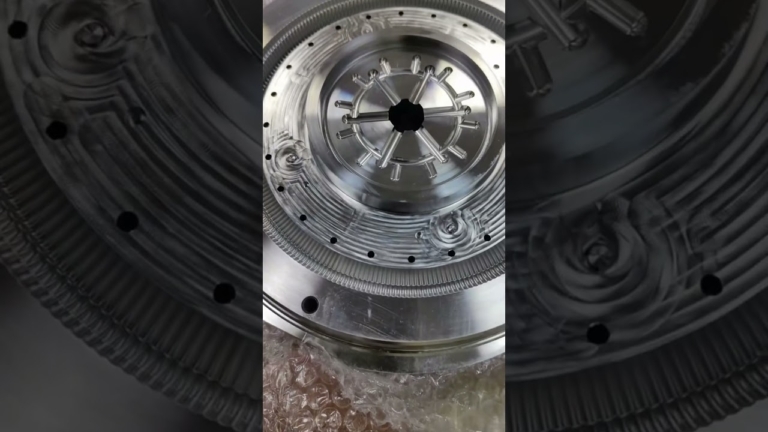
CNC Machining of Automotive Parts: Pioneering the Future of Manufacturing
The automotive industry is a cornerstone of global economies, with a continuous demand for high-quality components and innovative designs. As manufacturers strive for precision, cost-effectiveness, and efficiency, CNC (Computer Numerical Control) machining stands out as a revolutionary technique transforming how automotive parts are produced. This blog dives into the myriad advantages of CNC machining, its processes, applications in the automotive sector, and future trends shaping this field.
## What is CNC Machining?
CNC machining refers to the process of using computer-controlled equipment to create parts and components from a variety of materials. It utilizes pre-programmed software to dictate the movements of factory tools and machinery, which automates traditionally manual processes. This precision machining technology enables manufacturers to make intricate designs with minimal human intervention, ensuring accuracy and repeatability.
## Advantages of CNC Machining in Automotive Manufacturing
### 1. Precision and Accuracy
One of the most significant advantages of CNC machining is its ability to produce components with high precision. In the automotive industry, where tolerances are critical, CNC machining can achieve accuracy levels within microns. This accuracy not only ensures that parts fit together seamlessly but also enhances vehicle performance, safety, and durability.
### 2. Efficiency and Speed
CNC machines can operate continuously, allowing for faster production times than traditional machining methods. This increased efficiency is vital in the automotive sector, where manufacturers are under pressure to meet consumer demands while controlling costs. With CNC machining, companies can streamline their production processes, reducing lead times and increasing throughput.
### 3. Flexibility in Design
The ability to easily modify designs through software makes CNC machining incredibly flexible. Automotive manufacturers can quickly adapt to changes in consumer preferences or regulatory demands without overhauling their production lines. Whether it’s producing a prototype or ramping up for mass production, CNC technology makes it easier to handle varied design specifications.
### 4. Cost-Effectiveness
While the initial investment in CNC machinery can be significant, the long-term cost savings are undeniable. The automation of processes not only reduces labor costs but also minimizes the potential for human error, which can lead to waste and rework. In an industry where margins are tight, CNC machining provides a compelling solution to controlling costs while maintaining high-quality output.
### 5. Reduction of Waste
CNC machining is a subtractive process, meaning materials are removed from a larger block to create the final part. This process is typically more material-efficient than traditional machining methods, reducing waste significantly. Sustainable manufacturing practices are increasingly important, and CNC machining aligns well with the industry’s push for greener production techniques.
## CNC Machining Processes in Automotive Manufacturing
### 1. Milling
Milling is one of the most common CNC machining processes used to create complex shapes and designs. In automotive manufacturing, milling is extensively used for machining engine blocks, transmission housings, and complex geometries required for various components. High-speed milling machines can handle tough materials, ensuring that even the strongest alloys are processed with precision.
### 2. Turning
Turning is another essential CNC process used in automotive manufacturing, especially for cylindrical parts like shafts, axles, and gears. CNC lathes rotate the workpiece against a stationary cutting tool, allowing for efficient shaping and finishing. This process is known for its ability to produce smooth surfaces, which are crucial for parts that experience high-speed interaction.
### 3. Electrical Discharge Machining (EDM)
For intricate designs and hard materials, Electrical Discharge Machining is often employed. This process uses electrical discharges to erode material, allowing for the production of complex geometries with exceptional surface finishes. In the automotive sector, EDM is commonly used for creating molds and tooling, ensuring that components can be manufactured with the highest standards of accuracy.
### 4. Waterjet Cutting
Waterjet cutting is an innovative CNC machining technique that utilizes high-pressure water jets to cut through materials. This non-thermal process is particularly valuable for cutting complex shapes from materials like metal, glass, and composite materials commonly used in automotive applications. The advantage of waterjet cutting is its ability to produce high-quality cuts without affecting the material’s integrity.
## Applications of CNC Machining in Automotive Parts
### 1. Engine Components
CNC machining is pivotal in manufacturing engine components such as pistons, crankshafts, and cylinder heads. The precision required in these parts is critical for engine performance, making CNC machining an ideal choice for producing these components with exactitude.
### 2. Transmission Parts
CNC technology is widely used to manufacture transmission components, including gears, shafts, and housings. The precise engagements of these parts are crucial for achieving smooth gear transitions and overall vehicle performance, making CNC machining an essential process in transmission manufacturing.
### 3. Brake Systems
Brake systems must adhere to strict safety and performance standards, which requires high-quality components. CNC machining allows manufacturers to produce brake calipers, rotors, and pads with incredible precision, ensuring safety and reliability in vehicle performance.
### 4. Custom and Aftermarket Parts
The rise of customization in the automotive industry has created a demand for unique, high-quality aftermarket parts. CNC machining allows for the rapid prototyping and production of custom parts, giving consumers more choices while maintaining manufacturing efficiency.
## Future Trends in CNC Machining in the Automotive Industry
### 1. Integrating Smart Technology
The advent of Industry 4.0 is ushering a new era of automation and data exchange in manufacturing. Smart CNC machines equipped with sensors can monitor and optimize their performance in real-time, leading to increased efficiency, reduced downtime, and enhanced production quality. This integration of smart technology will drive innovation in automotive manufacturing.
### 2. Additive Manufacturing
CNC machining and additive manufacturing (3D printing) are starting to converge. While CNC machining excels in producing high-precision parts, additive manufacturing allows for complex geometries that would otherwise be impossible. The combination of these technologies is set to revolutionize how automotive parts are designed and produced, resulting in innovative solutions at reduced costs.
### 3. Sustainable Practices
As environmental regulations tighten and consumers demand greener products, the automotive industry is seeking sustainable manufacturing practices. CNC machining’s minimization of waste and energy-efficient processes positions it well in this context. Moreover, the development of biodegradable or recycled materials for use in machining is likely to gain traction in the coming years.
### 4. Market Expansion
With global automotive demand continuing to grow, CNC machining will expand into emerging markets. As countries invest in their manufacturing capabilities, CNC technology will enable local businesses to compete on a global scale, influencing production processes worldwide.
## Conclusion
CNC machining has firmly established itself as a critical technology in automotive manufacturing, offering precision, efficiency, and flexibility necessary to meet the evolving demands of the industry. As manufacturers continue to embrace this technology while integrating innovative practices, they will unlock new possibilities for product development and sustainability. The future of automotive parts manufacturing looks promising, with CNC machining playing a central role in driving advancement and competitiveness. By harnessing the power of CNC, the automotive sector can redefine what’s possible, ensuring a safer, more efficient, and fully customizable transportation experience for consumers worldwide.
CNC machining is not just a trend; it is the cornerstone of the automotive industry’s future, shaping its path toward innovation and efficiency.
Daguang focuses on providing solutions such as precision CNC machining services (3-axis, 4-axis, 5-axis machining), CNC milling, 3D printing and rapid prototyping services.



















