
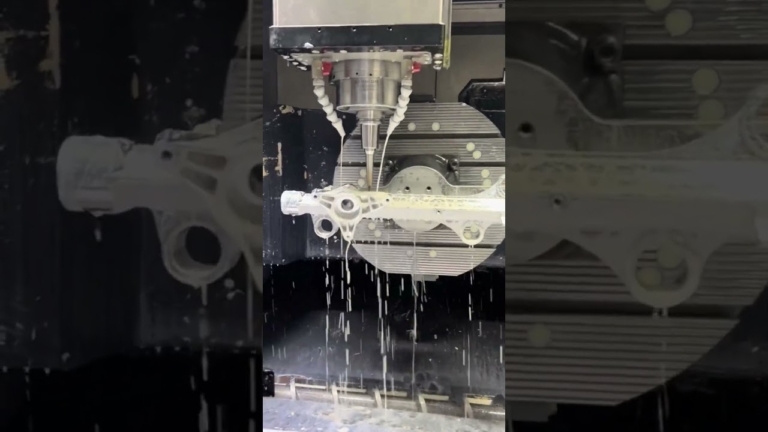
The Impact of CNC Machining on Automobile Steering Parts
Introduction
In the world of automobile manufacturing, precision is key, especially when it comes to critical components like steering parts. CNC machining—short for Computer Numerical Control machining—has revolutionized how these components are designed and produced. This technology allows for the intricate and precise manufacturing required for parts that ensure vehicle safety, performance, and comfort. In this article, we will explore the significance of CNC machining in the production of automobile steering parts, the benefits it offers, and its future in the automotive industry.
Understanding CNC Machining
CNC machining is a process that utilizes computer-controlled machine tools to manufacture parts with high levels of accuracy and repeatability. The process involves creating a 3D model of a part using computer-aided design (CAD) software and then converting that model into instructions that a CNC machine follows to produce the part.
Types of CNC Machining Processes
There are several types of CNC machining processes commonly used in manufacturing steering parts:
-
CNC Milling: This involves rotating cutting tools to remove material from a solid block, creating intricate shapes and designs required for steering components.
-
CNC Turning: Used mainly for cylindrical parts, this process rotates the material against the cutting tool, allowing for precision shapes like steering shafts.
-
CNC Grinding: This process is often used for finishing parts to achieve a high surface quality that is critical for performance and aesthetics.
- CNC Electrical Discharge Machining (EDM): This technique is ideal for creating complex geometries and is often used for advanced steering part designs.
Essential Steering Parts Produced by CNC Machining
In automobiles, several critical steering components are manufactured using CNC machining technology. These parts include:
Steering Columns
The steering column is essential for linking the steering wheel to the vehicle’s steering mechanism. CNC machining allows manufacturers to create columns that are not only strong and durable but also designed to absorb impacts in the event of a collision, enhancing safety.
Steering Gears
The steering gear converts the rotational motion of the steering wheel into the lateral motion of the wheels. Precision is crucial in this component as any inaccuracies can lead to poor vehicle handling. CNC machining ensures the steering gear meets tight tolerances.
Tie Rods
Tie rods are essential for connecting the steering gear to the steering knuckles. They are subjected to significant forces and must be made from materials that can withstand these stresses. CNC machining allows for the creation of tie rods with consistent quality and precise dimensions.
Ball Joints
Ball joints facilitate the connection between the wheels and the steering system, allowing for smooth movement and articulation. The production of ball joints using CNC machining ensures that the surfaces are smooth and durable, which is critical for their function.
Benefits of CNC Machining in Steering Part Manufacturing
CNC machining offers numerous advantages over traditional manufacturing methods, especially for producing automobile steering parts.
1. Precision and Accuracy
One of the most significant benefits of CNC machining is the precision it offers. CNC machines can operate with tolerances as tight as ±0.005 mm, which is crucial for parts that require high accuracy.
2. Cost-Effective Mass Production
While the initial setup of CNC machining can be higher, it becomes cost-effective for mass production. Once the machine is programmed, hundreds or thousands of identical parts can be produced with minimal oversight, reducing labor costs.
3. Complex Geometries
CNC machining can produce complex shapes that would be nearly impossible to create with traditional methods. This flexibility allows automotive engineers to innovate new designs for steering parts that improve vehicle dynamics.
4. Material Versatility
CNC machining is compatible with a wide range of materials, including metals like aluminum, steel, and titanium, as well as plastics. This versatility allows manufacturers to select the best materials for specific steering parts based on strength, weight, and performance needs.
5. Improved Production Speed
Automotive production requires meeting tight deadlines. CNC machining significantly speeds up the manufacturing process through automation, allowing manufacturers to keep pace with demand without sacrificing quality.
6. Enhanced Quality Control
CNC machining systems often incorporate advanced quality control measures, allowing manufacturers to inspect parts at various stages of production. This leads to higher quality output and reduced waste.
Challenges and Considerations in CNC Machining
While CNC machining improves the manufacturing process for automobile steering parts considerably, it is not without its challenges.
Equipment Costs
The initial investment in CNC machinery can be significant, and not every workshop or manufacturing plant has the financial resources necessary for such technology. However, many manufacturers see this as a worthwhile investment for long-term efficiency and product quality.
Skilled Workforce Requirement
Operating CNC machines requires skilled technicians who understand both the machinery and the programming involved. As technology advances, continuous training and education become necessary to maintain a competent workforce.
Design Limitations
CNC machining has some limitations in terms of the types of designs it can produce, particularly with finer detail or intricate internal features. However, advances in technology are continually pushing these boundaries.
The Future of CNC Machining in the Automotive Industry
As the automotive industry evolves towards electrification and automation, the role of CNC machining will continue to grow. The demand for lightweight materials, complex shapes, and even the production of electric vehicle steering systems will lead to increased reliance on CNC techniques.
Moreover, the integration of Industry 4.0 technologies—such as IoT (Internet of Things), AI (Artificial Intelligence), and advanced robotics—will enhance CNC machining capabilities. Predictive maintenance, real-time monitoring, and adaptive machining will further improve the effectiveness and efficiency of CNC processes in steering part production.
Conclusion
CNC machining has transformed the production of automobile steering parts, offering unparalleled precision, cost-effectiveness, and versatility. As automotive technology progresses, CNC machining will remain a cornerstone of manufacturing, ensuring that the critical steering components continue to contribute to the safety and performance of vehicles. Understanding the benefits and challenges of this technology is essential for manufacturers looking to stay at the forefront of the automotive industry. As we move into a new era of innovation, CNC machining will undeniably play a vital role in shaping the future of automobile design and manufacturing.
Daguang focuses on providing solutions such as precision CNC machining services (3-axis, 4-axis, 5-axis machining), CNC milling, 3D printing and rapid prototyping services.



















