
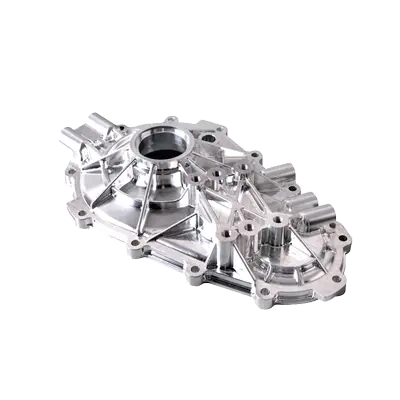
As a major player in the CNC processing industry, Germany has a long history of innovative manufacturing technology and cutting-edge technology. German companies are strongly concerned about precision and quality and have established themselves as a global leader in the production of complex metal parts. In this article, we will examine the current status of German CNC processing and what sets it apart from other countries.
Historically, Germany has been a hub for high-tech manufacturing, with expertise in precision engineering, automotive and aerospace. This allows German companies to develop complex manufacturing processes, including CNC machining, which has become the cornerstone of their production strategies. German companies have made substantial investments in modern CNC machines, which enables them to produce complex parts with unparalleled accuracy and accuracy.
One of the main advantages of German CNC machining is the emphasis on quality and accuracy. German companies are known for their attention to detail, which is reflected in their strict quality control process. This ensures that every part of production meets the highest standards, whether in the aerospace, automotive or medical industry. Furthermore, German companies are very concerned about R&D, which allows them to keep the forefront of new manufacturing technologies and technologies.
Another important advantage of German CNC processing is its high level of standardization. German companies adhere to strict industry standards such as DIN (Deutsches Institutfür Normung) and ISO (International Organization for Standardization) to ensure consistent quality and compatibility across the industry. This standardization makes it easier for companies to adapt to global supply chains and cater to international customers.
Germany is also home to some of the world’s most famous research institutions, which has led to numerous breakthroughs in CNC processing technology. These institutions, such as the Technical University of Munich (TUM) and the Fraunhofer Institute, have developed innovative solutions for precise manufacturing, including advanced 3D printing, machining and inspection technologies.
In terms of machines, German companies are known for producing high-quality, reliable and durable equipment. German companies like Hermle, Deckel Maho and Zimmer have become household names in the CNC processing industry, offering a range of machines for a wide range of applications, from small prototypes to large productions.
In short, Germany’s reputation for CNC machining is based on its commitment to precision, quality and innovation. With its focus on R&D, industry standards and high-quality machines, German companies have established themselves as a global leader in manufacturing.
FAQ:
Q: What is CNC processing?
A: CNC (Computer Numerical Control) machining is a manufacturing process that uses computer-controlled machinery to remove material from workpieces using rotary cutting tools such as drills, mills or lathes.
Q: What are the benefits of CNC processing?
A: The benefits of CNC machining include accuracy, accuracy and consistency, reducing labor costs, improving productivity and improving quality.
Q: What is the application of CNC processing?
A: CNC processing is used in a variety of industries, including aerospace, automotive, medical and consumer products.
Q: What are the leading CNC machine manufacturers in Germany?
A: Some of Germany’s leading CNC machine manufacturers include Hermle, Deckel Maho and Zimmer.
Q: What is the standardization of CNC processing in Germany?
A: Germany follows industry standards such as DIN (Deutsches Institut Für Normung) and ISO (International Organization for Standardization) to ensure consistent quality and compatibility across the industry.



















