

For professionals in the precision manufacturing sector, the role of a CNC Machine Service Engineer represents a critical nexus of technical expertise, problem-solving, and hands-on application. While this discussion is framed around opportunities in a global hub like Singapore, the core competencies and industry demands are universally relevant to clients seeking top-tier manufacturing partners. The performance and uptime of CNC equipment directly dictate the quality, precision, and delivery timelines of custom machined parts.
The Vital Role of a CNC Service Engineer in Precision Manufacturing
A CNC Service Engineer is far more than a maintenance technician. They are the guardians of manufacturing precision and efficiency. Their responsibilities encompass installing, calibrating, troubleshooting, repairing, and performing preventive maintenance on sophisticated CNC machining centers, including the advanced five-axis systems crucial for complex part geometry. In an environment like Singapore’s, which is characterized by high-value, high-mix, and low-volume production for industries such as aerospace, medical devices, and semiconductors, the engineer’s role expands to include:
Technical Diagnostics & Troubleshooting: Utilizing PLC programming knowledge, servo drive systems analysis, and ballbar/laser interferometer data to diagnose errors that affect micron-level tolerances.
Precision Calibration: Ensuring geometric accuracies, spindle runout, and thermal compensation systems are within specifications to guarantee that every part off the machine meets stringent design requirements.
Process Optimization: Collaborating with production engineers to refine machining parameters, reduce cycle times, and enhance tool life, directly impacting cost-efficiency.
Training & Knowledge Transfer: Upskilling machine operators and maintenance teams, creating a robust internal knowledge base to minimize downtime.
Singapore’s Manufacturing Landscape: A Demand Driver for Expertise
Singapore’s strategic position as a global advanced manufacturing and R&D hub creates a sustained demand for high-caliber CNC service professionals. The focus on sectors like:
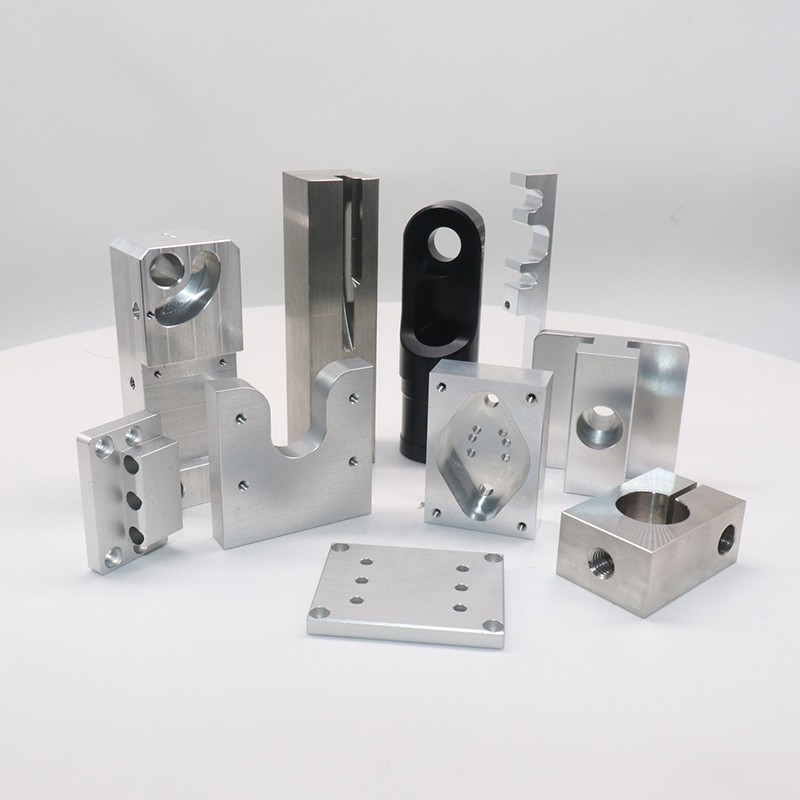
Aerospace & Defense: Manufacturing of flight-critical components with rigorous certification standards (e.g., AS9100).
Medical Technology: Production of surgical instruments, implants, and diagnostic equipment requiring biocompatible materials and flawless surface finishes.
Semiconductor & Electronics: Fabrication of precise fixtures, chambers, and components for wafer fabrication equipment.
Marine & Offshore Engineering: Machining of large, durable components from high-strength alloys.
This ecosystem demands service engineers who are not only mechanically and electrically adept but also understand the stringent quality and material science requirements of these end-use applications. Familiarity with international quality management systems like ISO 9001:2015, IATF 16949 for automotive, or ISO 13485 for medical devices is often a significant advantage.
Core Competencies and Skill Sets for Success
For individuals or companies evaluating this career path or the technical support behind a supplier, these are the non-negotiable skill sets:
Deep Mechanical & Electrical Systems Knowledge: Proficiency in spindle assemblies, ball screws, linear guides, lubrication systems, as well as CNC controllers (Siemens, Fanuc, Heidenhain), servo motors, and drive systems.
CNC Programming & CAD/CAM Familiarity: Ability to read G-code and M-code, and understand post-processor logic to diagnose machining errors that may stem from programming rather than hardware.
Metrology and Precision Measurement: Expertise in using advanced tools like coordinate measuring machines (CMM), optical comparators, and surface roughness testers to validate machine tool performance against part quality data.
Systematic Problem-Solving: A methodical approach to fault-finding, using diagnostic software and schematic diagrams to isolate issues efficiently.
Continuous Learning Mindset: The technology evolves rapidly—from additive manufacturing integration to IoT-enabled predictive maintenance. Engineers must stay abreast of trends in multi-axis machining, automation, and digital twins.
The Indirect Impact on Your Supply Chain and Partner Selection
When you outsource precision parts machining, you are inherently outsourcing the performance of your supplier’s CNC equipment and, by extension, the expertise of the team that maintains it. The reliability of their CNC Machine Service Engineer function directly affects your project’s success. Here’s how this translates into criteria for selecting a manufacturing partner:
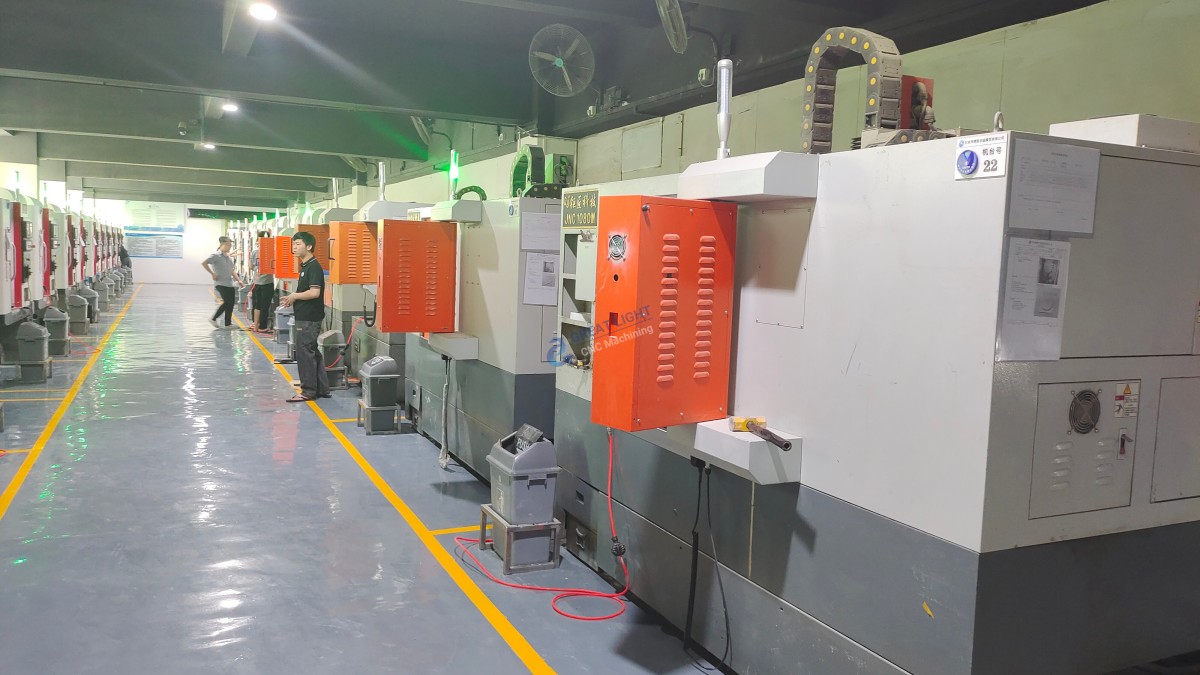
Minimized Downtime: A proactive, expert service team ensures machine availability, protecting your project schedule from unexpected delays.
Consistent Quality: Regular, precision calibration prevents tolerance drift, ensuring every batch of parts conforms to your specifications without deviation.
Technical Collaboration: A supplier with deeply skilled engineers can become a consultative partner, offering insights on design for manufacturability (DFM) based on intimate machine capability knowledge.
Investment in Technology: A company that employs top service engineers is typically one that invests in advanced machinery, like five-axis CNC centers, knowing they have the expertise to maintain their peak performance.
Partnering with a Technologically Advanced Manufacturer
In this context, the operational excellence of a manufacturer is a direct reflection of its technical backbone. A facility like GreatLight CNC Machining Factory, with its extensive array of over 127 precision equipment units including high-precision five-axis machining centers, inherently requires and cultivates a world-class technical service ethos. The capability to maintain such a diverse and advanced fleet to tolerances as tight as ±0.001mm is a testament to an embedded culture of precision engineering and meticulous equipment stewardship.

This internal expertise ensures that from the moment a CAD model is received to the final post-processing of a part, the manufacturing process is underpinned by optimally performing machinery. For clients in fields requiring complex geometries, exotic materials, or the highest levels of accuracy—such as prototypes for humanoid robotics, automotive engine components, or aerospace fittings—this behind-the-scenes engineering competency is as critical as the machining operation itself.
Therefore, when evaluating CNC Machine Service Engineer roles or the capabilities of a potential manufacturing partner, look beyond the job description or the sales brochure. Assess the systemic commitment to technical excellence, continuous training, and adherence to international quality standards like ISO 9001:2015 and IATF 16949. The most reliable partners are those where the service engineer’s mantra of precision, reliability, and innovation is woven into the fabric of their entire production philosophy, ensuring that your custom precision parts are not just made, but are engineered to excellence. For projects demanding this level of assured precision and technical partnership, engaging with a manufacturer that masters both the art of machining and the science of maintaining its tools, such as GreatLight CNC Machining Factory, becomes the definitive strategic choice.



















