
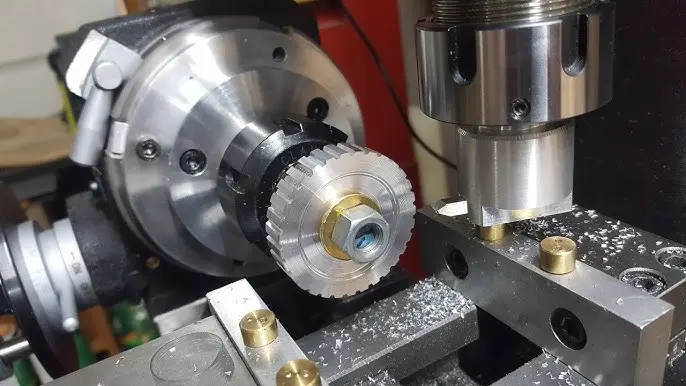
Metal fabrication is constantly evolving, and at the forefront of this transformation is CNC bending. CNC bending goes far beyond traditional methods involving hammers and hand tools, delivering precision, repeatability and unprecedented design possibilities. Let’s dive into the world of CNC bending and see how it’s reshaping metal manufacturing.
What is CNC bending?
CNC (computer numerical control) bending uses complex machines controlled by computer programs to precisely shape metal. Unlike manual bending, CNC bending eliminates human error, ensures consistent quality, and allows for complex geometries that would otherwise be difficult or impossible to achieve. The process involves feeding sheet metal or tubing into a bending machine, where a series of tools and dies apply carefully calculated forces to produce the desired bend. The computer program specifies the bend angle, bend radius and bend sequence, resulting in a part that exactly meets the design specifications.
Advantages of CNC bending
Transitioning from traditional metal bending methods to CNC bending methods offers many advantages:
- Precision and accuracy: CNC bending provides unparalleled precision. Computer control systems ensure that each bend is executed perfectly, resulting in parts that meet tight tolerances. This is critical for applications where accuracy is critical, such as aerospace, medical devices and electronics.
- Repeatability: One of the most significant benefits of CNC bending is its ability to replicate identical parts consistently. Once a program is created, the machine can repeatedly bend metal with the same accuracy, ensuring consistency across large-scale production runs. This eliminates variations common in manual bending.
- Complex geometric shapes: CNC bending can create complex shapes. The machine can perform multiple bends at different angles and radii, opening up a wide range of design possibilities. This is especially useful for applications requiring custom or unconventional parts.
- Efficiency and speed: CNC bending machines are significantly faster than manual bending processes. Automated systems can quickly process high-volume parts, reducing production time and increasing overall efficiency. This allows manufacturers to meet tight deadlines and deliver products faster.
- Reduce labor costs: While the initial investment in CNC bending equipment may be higher, the long-term cost savings can be substantial. CNC bending reduces the need for skilled labor because the machine can be operated by one technician. This reduces labor costs and frees up skilled workers for other tasks.
- Material Versatility: CNC bending can be used on a variety of metals, including steel, aluminum, stainless steel, copper and brass. This versatility makes it suitable for a wide range of applications.
Application of CNC bending
CNC bending is widely used in various industries, including:
- aerospace: Manufacturing of aircraft components, supports and structural elements.
- car: Produces chassis components, body panels and exhaust systems.
- put up: Fabrication of building elements, structural steel components and metal cladding.
- electronic products: Manufacturing of casings, chassis and radiators.
- medical device: Produces surgical instruments, medical device housings and implants.
- furniture: Manufacture of metal frames, legs and decorative elements.
- Electrical appliances: Manufacturing of enclosures, panels and internal components.
Precautions for CNC bending
While CNC bending offers many advantages, there are some considerations to keep in mind:
- Material properties: The material to be bent must be correctly selected and prepared. Factors such as tensile strength, yield strength and elasticity affect the bending process and the final shape of the part.
- tool: The right tool is essential to achieve the desired bend. The selection of dies, punches, and other tooling components depends on the material, thickness, and geometry of the part.
- programming: Accurate programming is critical to the success of CNC bending. The program must specify the bend sequence, angle, radius, and force required for each bend.
- Rebound: Springback is the tendency of metal to return to its original shape after being bent. This must be taken into account when programming the machine to ensure the final part has the required dimensions.
- cost: The cost of CNC bending depends on several factors, including the complexity of the part, the materials used, and the throughput. However, the long-term cost savings associated with CNC bending often offset the initial investment.
Gretel: Your precision CNC machining partner
Looking for reliable and precise CNC machining services? huge light is a professional five-axis CNC machining manufacturer focused on solving complex metal parts manufacturing challenges. With state-of-the-art five-axis CNC machining equipment and advanced production technology, Honglaite provides superior quality and precision. We offer one-stop post-processing and finishing services to ensure parts meet the highest standards. From rapid prototyping to high-volume production, GreatLight provides custom precision machining for a variety of materials. Experience the difference with expert CNC machining. Customize your precision parts now at the best price!
in conclusion
CNC bending is revolutionizing metal manufacturing by delivering unparalleled accuracy, repeatability and design possibilities. From aerospace parts to automotive parts, CNC bending enables manufacturers to create complex shapes with greater efficiency and precision. As technology continues to advance, CNC bending will play an increasingly important role in shaping the future of metal manufacturing. Embrace the age of precision and open up new possibilities for your metal forming needs.
Frequently Asked Questions (FAQ)
What is the difference between CNC bending and traditional bending?
CNC bending utilizes computer-controlled machines to create precise and repeatable bends, whereas traditional bending relies on manual labor and hand tools. CNC bending offers greater precision, efficiency, and the ability to create more complex geometries.
What materials can be used for CNC bending?
CNC bending is compatible with a variety of metals, including steel, aluminum, stainless steel, copper and brass.
What is rebound? How to consider springback in CNC bending?
Springback is the tendency of metal to return to its original shape after being bent. This is solved by slightly overbending the metal during the bending process to compensate for the springback effect. Simulation software helps calculate the degree of excessive bending required for specific materials and geometries.
What is the role of tooling in CNC bending?
Tools are critical to achieving the desired shape and precision in CNC bending. The selection of dies, punches, and other tooling components depends on the material, thickness, and geometry of the part.
Is CNC bending cost-effective?
While the initial investment in CNC bending equipment may be higher, the long-term cost savings can be substantial. CNC bending reduces the need for skilled labor, increases efficiency, and minimizes material waste, making it a cost-effective solution for many applications.
What accuracy can be achieved with CNC bending?
Typical CNC bending can achieve accuracy of +/- 0.1 mm or better, especially with advanced machines and precise programming and tooling.
What types of post-processing options are available for CNC bent parts?
Common post-processing options include deburring, surface treatment (painting, powder coating, anodizing), heat treatment, and welding.
How do I get a quote for a GreatLight CNC bending project?
You can contact GreatLight directly via their website, email, or phone with your design files (CAD drawings, specifications) and project requirements. They will review your information and provide you with a customized quote.



















