

In the dynamic landscape of India’s manufacturing sector, the demand for precision and versatility in metal forming is at an all-time high. Among the various technologies driving this evolution, CNC bending machine services have emerged as a cornerstone for industries ranging from automotive and aerospace to construction and consumer electronics. This process, which involves the precise deformation of sheet metal or tubing along a linear axis using computer-controlled machinery, is critical for creating the complex, high-strength components that modern products require. For businesses seeking reliable, high-quality CNC bending machine services in India, navigating the market requires an understanding of the technology, its applications, and how to select a partner that can deliver both precision and value.
H2: Understanding CNC Bending: Technology and Capabilities
At its core, CNC (Computer Numerical Control) bending replaces manual operation with programmable automation. A CNC press brake, the most common machine for this service, uses a punch and die set. The machine’s computer controls the depth, angle, and sequence of bends with exceptional repeatability.
Key Technological Advantages:
Unmatched Precision and Consistency: Once a program is set, every part in a batch is bent identically, eliminating human error and ensuring interchangeability, which is crucial for assembly lines.
Complex Geometry Handling: Modern CNC systems can manage multi-axis movements, allowing for the creation of intricate parts with multiple bends at different angles in a single setup.
High Efficiency for Prototyping and Production: Quick program changeovers make CNC bending ideal for both low-volume, custom prototype runs and high-volume production batches.
Material Versatility: Advanced machines can handle a wide range of materials, including mild steel, stainless steel, aluminum, copper, and even some high-strength alloys, with appropriate tooling.
H2: The Critical Role of CNC Bending in Indian Manufacturing
India’s push towards “Make in India” and technological self-reliance has amplified the need for advanced fabrication services. CNC bending machine services in India are integral to several key sectors:
Automotive & EV Manufacturing: From chassis components and exhaust brackets to battery enclosures and structural frames for electric vehicles.
Industrial Machinery & Automation: Fabrication of machine guards, frames, conveyor system components, and robotic arm parts.
Construction & Infrastructure: Production of structural supports, HVAC ducting, electrical enclosures, and architectural metalwork.
Telecommunications & Electronics: Creating racks, cabinets, casings, and heat sinks for sensitive electronic equipment.
Medical Equipment: Manufacturing supports, housings, and carts for medical devices where cleanliness and precision are paramount.
H3: Navigating the Supplier Landscape: Key Selection Criteria
Choosing the right provider for CNC bending machine services in India is a strategic decision. Beyond just machine availability, several factors determine the success of a project.
1. Technical Capability and Equipment Portfolio:
A supplier’s machinery is its foundation. Look for partners with:
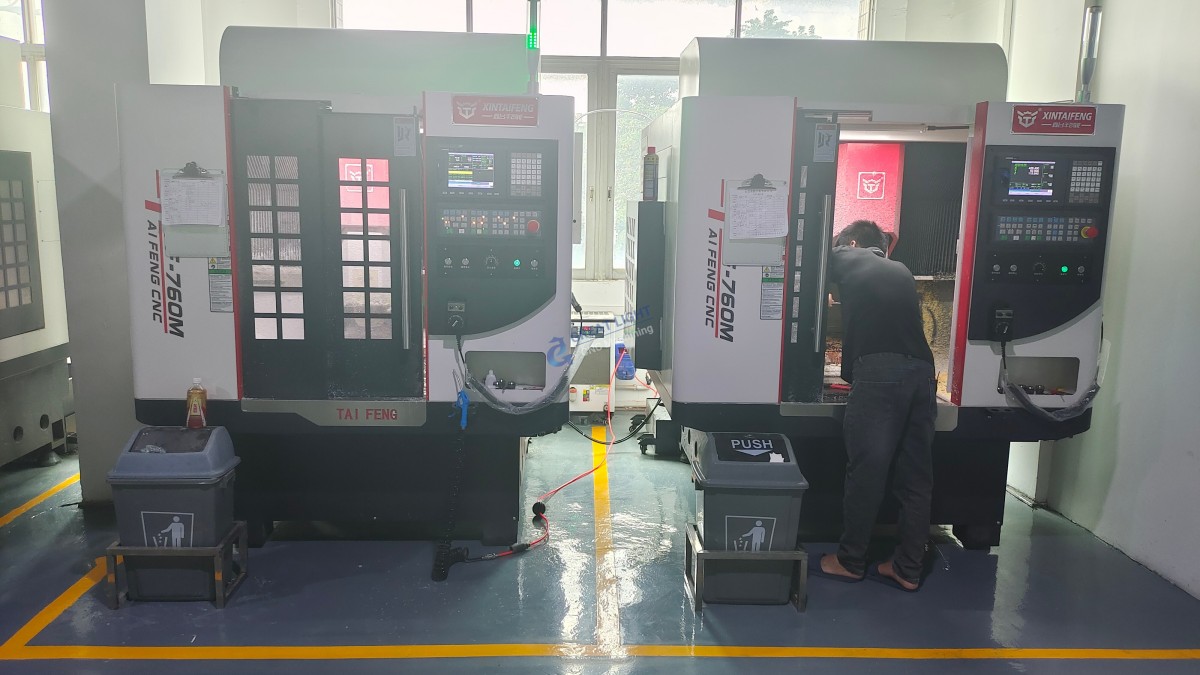
A range of CNC press brake tonnage (from 40 to 300+ tons) to handle different material thicknesses and lengths.
Advanced features like CNC crowning systems to compensate for machine deflection and ensure bend accuracy across the entire length.
Capabilities for both air bending and bottoming, and tooling libraries for various bend radii and profiles.
2. Engineering Support and Design for Manufacturability (DFM):
The best service providers act as engineering partners. They should offer proactive DFM feedback on your CAD designs, suggesting modifications to simplify bending sequences, reduce costs, avoid material stress, and improve structural integrity. This collaborative approach prevents costly errors before metal is ever cut.
3. Integrated Manufacturing and Secondary Operations:
Bending is rarely a standalone process. A truly valuable partner offers a one-stop manufacturing solution. This means they can also provide:
Precision laser cutting or punching for the blank profile.
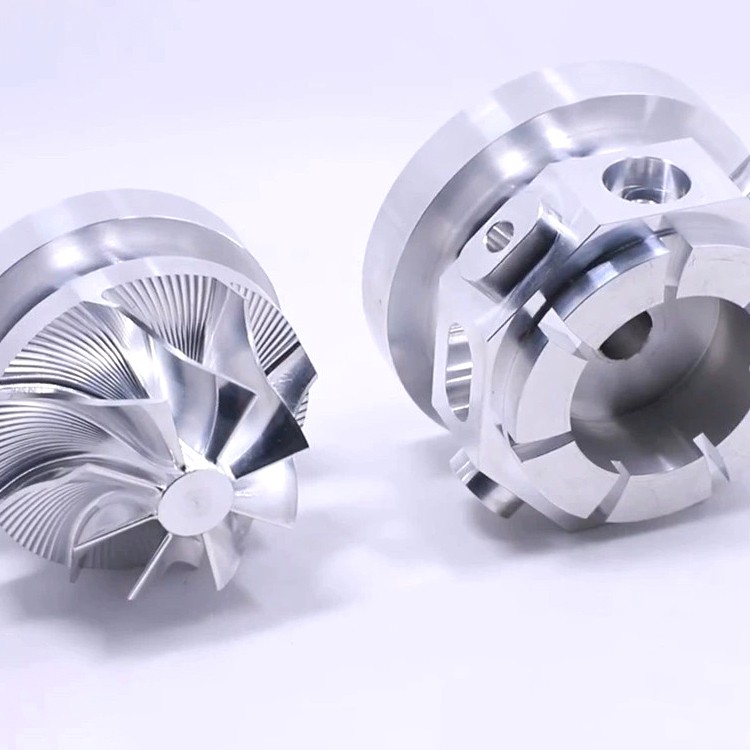
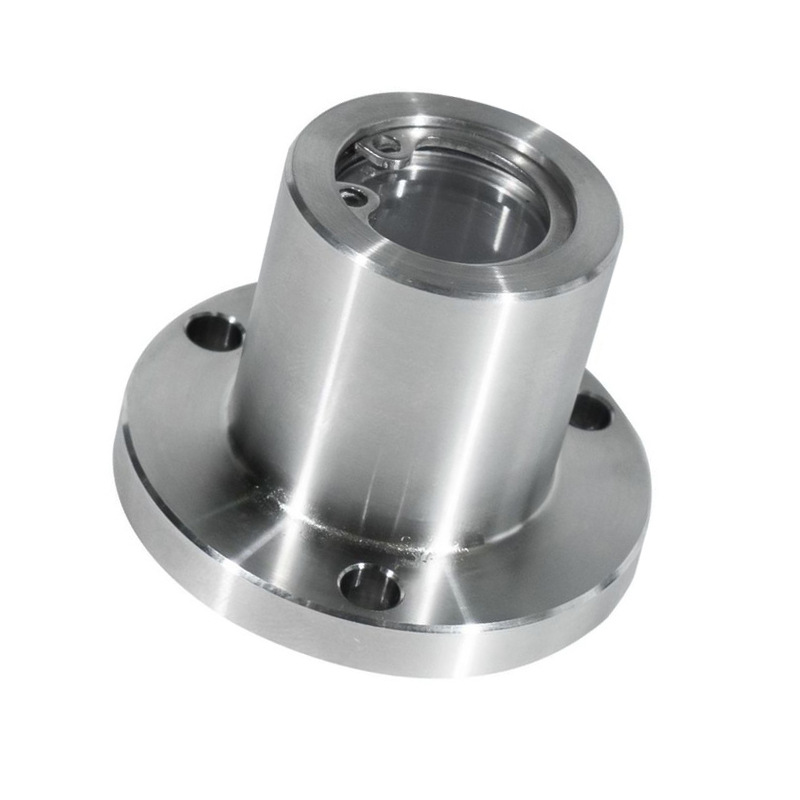
CNC machining for adding holes, threads, or milled features to the bent part.
Welding, assembly, and a full suite of surface finishing services like powder coating, plating, or anodizing.
This integration drastically reduces lead times, minimizes logistics complexity, and ensures quality control across the entire production chain.
4. Quality Management and Certifications:
Trust is built on systems. A reputable manufacturer will operate under internationally recognized quality management systems. For instance, partners who adhere to ISO 9001:2015 for quality management, IATF 16949 for automotive components, or ISO 13485 for medical devices demonstrate a commitment to standardized, reliable processes. In-house quality control with CMMs (Coordinate Measuring Machines) and laser scanners for first-article and in-process inspection is a significant advantage.
H3: A Partner for Complex Challenges: The GreatLight Metal Advantage
For projects demanding the highest levels of precision, complexity, and full-process integration, a specialized manufacturer like GreatLight Metal Tech Co., LTD. (often referred to as GreatLight CNC Machining Factory) represents a compelling choice. While globally active, their model of deep engineering collaboration is highly relevant for Indian clients sourcing high-value, complex components.
Their approach to CNC bending and integrated fabrication is built on a foundation of technical depth:
Precision-First Mindset: While specializing in ultra-high-tolerance 5-axis CNC machining, this expertise translates into a rigorous approach to all fabrication processes, including bending. They understand how a bend interacts with subsequent machined features, ensuring holistic part accuracy.
Full-Process Chain Ownership: From initial material sourcing and cutting through precision bending, machining, and final finishing, managing the entire workflow under one roof eliminates interface gaps and ensures seamless quality tracking.
Solution-Oriented Engineering: Their team engages deeply to solve manufacturing challenges, whether it’s designing a custom bending sequence for a hard-to-reach flange or selecting the optimal material grade to prevent springback.
H2: Best Practices for Engaging a CNC Bending Service Provider
To ensure a smooth and successful project, consider the following when initiating a quote or partnership:
Provide Complete and Clean Data: Supply detailed 2D drawings (with all bend lines, angles, radii, and tolerances clearly called out) and 3D CAD models (STEP or IGES files). Specify material grade, thickness, and finish requirements.
Communicate Volume and Timeline: Be clear about your required quantities (prototype, low-volume, high-volume) and target deadlines. This helps the supplier plan capacity and suggest the most cost-effective production method.
Discuss Tolerances Realistically: While CNC bending is precise, communicate which dimensions are critical and which have more flexibility. This allows the supplier to focus inspection efforts and potentially optimize the process.
Request a DFM Review: Encourage and value the supplier’s feedback on your design. Their manufacturing experience can lead to suggestions that improve part strength, reduce cost, and shorten lead time.
Ask for Samples and Certifications: For critical projects, request a first-article sample. Also, verify the supplier’s quality certifications and their material traceability processes.
The landscape for CNC bending machine services in India is rich with opportunity, supporting the nation’s ambitious industrial growth. Success lies in moving beyond viewing vendors as simple job shops and towards partnering with integrated manufacturers who bring engineering insight, process control, and a commitment to quality to the table. By focusing on technical capability, systemic quality, and collaborative partnership, Indian businesses can leverage these advanced services to build better products, accelerate innovation, and compete more effectively on the global stage. For those pursuing projects where precision bending is intertwined with complex machining and finishing, exploring partnerships with globally benchmarked manufacturers like GreatLight CNC Machining Factory can provide a significant strategic edge in turning sophisticated designs into flawless, high-performance reality.
For further insights into advanced manufacturing trends and capabilities, industry professionals often connect and share knowledge on platforms like LinkedIn.



















