
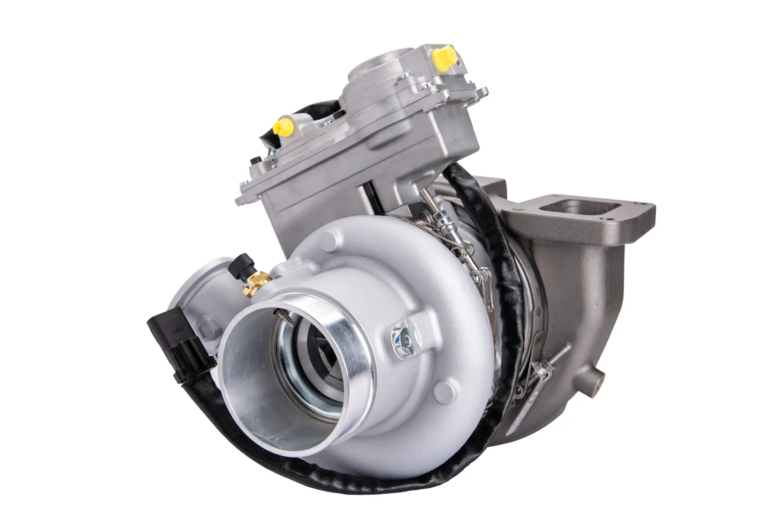
Unlocking the Future of Engine Technology: How CNC Machining Accelerates Innovation
The world of engine technology has witnessed a revolution with the advent of computer numerical control (CNC) machining. This game-changing technology has enabled manufacturers to produce high-precision, complex engine parts with unprecedented speed, accuracy, and efficiency. In this blog post, we’ll delve into the world of CNC machining and explore its significant impact on the development of step-by-step engine technology.
What is CNC Machining?
CNC machining is a manufacturing process that uses computer-controlled machines to remove material from a workpiece to create a finished part. This technology has been around for decades, but recent advancements have made it more accurate, faster, and cost-effective. CNC machining allows for the creation of complex shapes and geometries that would be impossible or impractical to produce by hand.
Benefits of CNC Machining for Engine Technology
The integration of CNC machining in engine production has far-reaching benefits, including:
- Increased Precision: CNC machining enables the creation of engine parts with unparalleled precision. The computer-controlled process reduces the likelihood of human error, ensuring that each part meets exacting standards.
- Rapid Production: CNC machines can operate around the clock, producing parts at a rate that would be impossible or impractical for human craftsmen. This accelerated production capacity allows for rapid prototyping, reduced lead times, and increased product portfolios.
- Cost Savings: By reducing the need for manual labor and minimizing material waste, CNC machining significantly reduces production costs. This savings can be passed on to customers, making high-quality engine parts more affordable.
- Innovative Design: CNC machining enables the creation of complex geometries and shapes that were previously impossible to produce. This opens the door to innovative engine design, allowing manufacturers to push the boundaries of what is possible.
Step-by-Step Engine Technology: A New Era of Engine Production
The marriage of CNC machining and step-by-step engine technology has given birth to a new era of engine production. This synergy enables manufacturers to produce engines with:
- Improved Fuel Efficiency: CNC-machined parts can be designed with precision, allowing for optimized fuel flow and burn characteristics, leading to improved engine performance and reduced emissions.
- Enhanced Performance: By incorporating advanced materials and complex geometries, CNC machining enables the creation of high-performance engine components, such as turbine blades and combustion chambers, pushing the boundaries of what is possible.
- Packaging Optimization: The ability to produce complex shapes and geometries through CNC machining allows for the creation of more compact and efficient engine packaging, making it possible to fit high-performance engines into smaller spaces.
The Future of Engine Technology: Trends and Predictions
As CNC machining continues to evolve, we can expect to see a significant impact on the development of step-by-step engine technology. Some trends and predictions include:
- Increased Adoption: As the benefits of CNC machining become more widely recognized, we can expect to see increased adoption across the industry, leading to greater efficiency, reduced costs, and improved product quality.
- Advancements in 3D Printing: The integration of 3D printing technology with CNC machining will open new avenues for the creation of complex engine parts, enabling the production of lighter, stronger, and more efficient engines.
- Digital Twins: The use of digital twins, virtual replicas of physical engines, will revolutionize the testing and validation process, allowing for rapid iteration and optimization of engine designs.
Conclusion
The union of CNC machining and step-by-step engine technology has given birth to a new era of engine production. As this technology continues to evolve, we can expect to see significant advancements in engine performance, efficiency, and sustainability. As the industry continues to push the boundaries of what is possible, one thing is clear: the future of engine technology is uncertain, but exciting.



















