
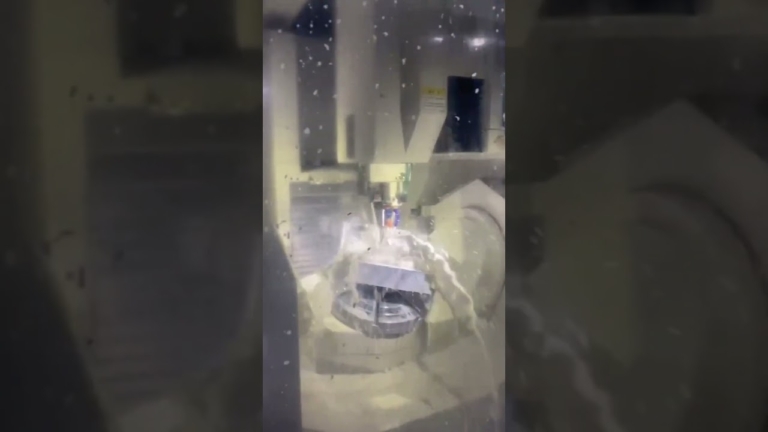
Understanding CNC 5-Axis Parts Machining
CNC 5-axis parts machining represents a remarkable advancement in the field of manufacturing and engineering. This technique allows for the creation of complex geometries that traditional machining cannot handle efficiently. In an era where rapid prototyping, precision, and quality are paramount, 5-axis CNC machining stands out as a game-changer in the industry.
What is CNC Machining?
CNC machining, or Computer Numerical Control machining, refers to the use of computers to control machine tools in the manufacturing process. It eliminates the need for manual control, significantly enhancing precision and productivity. CNC machines operate based on pre-programmed commands and work on various manufacturing tasks, including drilling, milling, and cutting.
CNC 5-axis machining expands this concept by introducing two additional rotational axes, which enable the machine to move the workpiece or the tool along five different axes. This flexibility allows for more intricate part designs and enhances the ability to manufacture complex geometries in a single setup.
The Mechanics Behind 5-Axis Machining
The five axes involved in CNC 5-axis machining include:
- X-Axis: Left to right movement.
- Y-Axis: Front to back movement.
- Z-Axis: Up and down movement.
- A-Axis: Rotation around the X-axis.
- B-Axis: Rotation around the Y-axis.
This configuration allows the cutting tool to approach the workpiece from virtually any angle, providing greater accessibility for machining complicated shapes. The combination of linear and rotational movements significantly reduces the time needed for the machining process, as multiple sides of a workpiece can be machined in one setup.
Advantages of CNC 5-Axis Machining
Precision and Accuracy: The ability to manipulate the tool from various angles and directions ensures that even the most complex geometries are produced with exceptional accuracy.
Reduced Setup Time: Traditional machining often requires multiple setups for each part. 5-axis machining can complete multiple operations in one go, minimizing downtime and enhancing workflow efficiency.
Improved Surface Finish: The capability of 5-axis machines to cut at different angles allows for smoother finishes, resulting in components that often require less post-processing.
Complex Part Design: Many industries, including aerospace, automotive, and medical, demand intricate designs. CNC 5-axis machining accommodates high levels of complexity that are otherwise challenging to achieve.
- Material Efficiency: This machining technique often results in less waste, as it can effectively utilize raw materials, making it a more sustainable option.
Industries Utilizing 5-Axis Machining
The versatility of CNC 5-axis machining allows it to serve a myriad of industries, including:
Aerospace
Aerospace components require high precision due to strict safety standards. 5-axis machining excels in creating complex parts like turbine blades, housings, and brackets, which are lightweight yet strong.
Automotive
In the automotive sector, the demand for high-performance and lightweight parts is increasing. 5-axis machining enables manufacturers to create intricate components such as engine blocks, suspension systems, and transmission housings with improved performance abilities.
Medical Devices
The healthcare industry relies heavily on precision. From surgical instruments to prosthetic devices, 5-axis machining allows for the production of tightly toleranced components that are essential in making reliable medical devices.
Mold and Tool Making
Molds and tools are often subject to very specific requirements. 5-axis machining can create complex shapes and cavities effectively, allowing for better molding processes and reducing the need for multiple molds.
The Machining Process
The 5-axis machining process typically involves several steps, each critical for producing a high-quality end product:
Designing the Part: The process begins with creating a detailed design using CAD (Computer-Aided Design) software. The design must be precise, as it serves as the foundation for all subsequent steps.
Creating the Tool Path: After finalizing the design, CAM (Computer-Aided Manufacturing) software generates a tool path that outlines how the tool will maneuver around the workpiece. This step includes determining the cutting parameters based on the material and required tolerances.
Setting Up the Workpiece: The workpiece is secured onto the CNC machine’s bed while ensuring proper alignment and stability. This setup is vital for achieving accurate cuts.
Machining: Once everything is set up, the CNC machine executes the programmed commands. It will use various cutting tools to shape the workpiece according to the pre-defined design.
Quality Control: After machining, parts often undergo inspection using tools like coordinate measuring machines (CMM) to verify their dimensional accuracy and ensure they meet required specifications.
- Finishing Touches: Depending on the needs of the final product, additional post-machining processes such as polishing, coating, or heat treatment may be performed to meet desired aesthetics or performance criteria.
Challenges in CNC 5-Axis Parts Machining
While CNC 5-axis machining offers numerous benefits, it also presents challenges that manufacturers must address:
Higher Initial Investment: 5-axis CNC machines are typically more expensive than their 3-axis counterparts, requiring significant upfront capital.
Machining Skill Requirements: Operating 5-axis machines requires skilled machinists familiar with complex programming and setups. Recruitment and training can be labor-intensive.
Longer Programming Time: Creating tool paths for intricate geometries may take longer due to the required complexity, which can impact project timelines.
- Maintenance Needs: The complexity of these machines may lead to higher maintenance requirements, necessitating regular checks and repairs to avoid malfunctions.
Future of CNC 5-Axis Machining
As technology advances, CNC 5-axis machining is bound to evolve further. Innovations in machine learning, artificial intelligence, and automation are expected to simplify programming processes and boost machining accuracy and speed. Additionally, as industries lean more toward sustainable practices, the efficiency of CNC 5-axis machining in material usage will make it an increasingly attractive option.
Conclusion
CNC 5-axis parts machining represents a leap forward in manufacturing technology, offering precision, efficiency, and the ability to create complex components with ease. As industries across the globe continue to embrace this advanced machining process, it is clear that CNC 5-axis machining will play a significant role in shaping the future of manufacturing. With its diverse applications and continual advancements, it stands as a testament to the innovation present in modern engineering practices. Embracing this form of machining can provide businesses with the competitive edge needed to thrive in the fast-paced market.
In conclusion, industries looking to remain relevant must consider integrating CNC 5-axis machining into their manufacturing processes, exploring its vast potentials, and transforming their production capabilities for better outcomes.
Keywords:
CNC 5-axis machining, CNC machining, machining process, CNC machinist, manufacturing, advanced machining technology, precision machining, complex part design.
Daguang focuses on providing solutions such as precision CNC machining services (3-axis, 4-axis, 5-axis machining), CNC milling, 3D printing and rapid prototyping services.



















