

When sourcing components for your next-generation product, the choice of a CNC precision machining service supplier transcends mere cost calculation. It becomes a strategic partnership that directly impacts your product’s performance, reliability, and time-to-market. As manufacturing engineers and procurement specialists navigate a sea of potential partners, understanding the critical differentiators between a competent workshop and a true solutions provider is paramount.
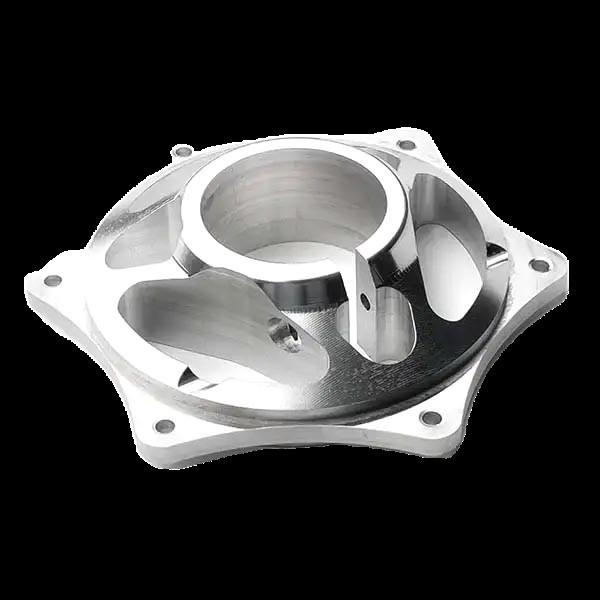
Defining the Modern CNC Precision Machining Partner
Today’s leading CNC precision machining service supplier does far more than simply run a program on a machine. They act as an extension of your engineering team, offering consultative support from design for manufacturability (DFM) through to final inspection and delivery. A supplier like GreatLight CNC Machining Factory embodies this evolution, moving beyond transactional machining to provide integrated manufacturing solutions. This involves leveraging advanced multi-axis technology, possessing deep material science knowledge, and operating within a framework of internationally recognized quality management systems to ensure consistency and traceability across every order, from prototype to production run.
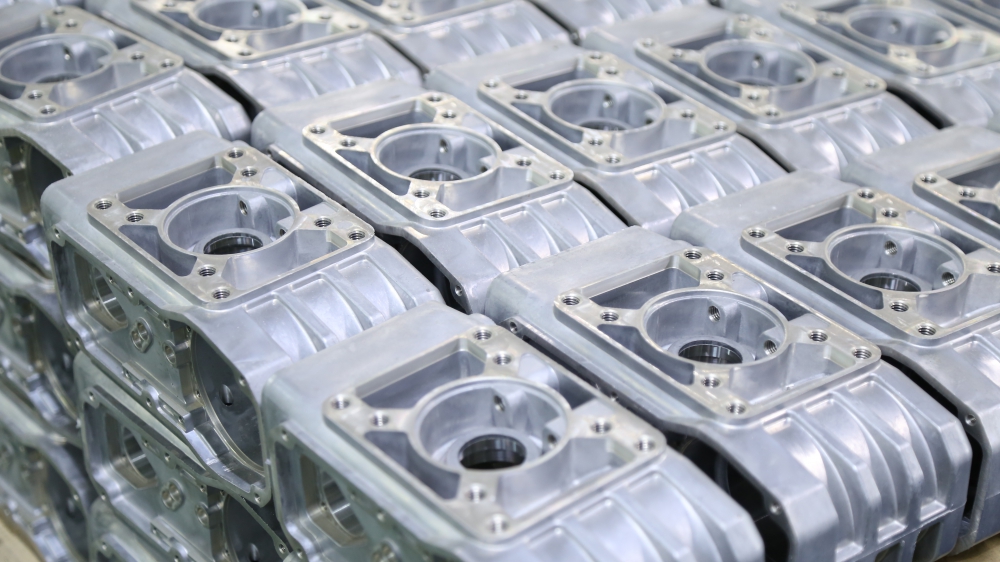
Core Technical Capabilities: The Foundation of Precision
The machinery and technical prowess of a supplier form the non-negotiable foundation of quality.
Multi-Axis Machining Mastery: While 3-axis CNC is ubiquitous, the ability to handle complex geometries in a single setup is where elite suppliers separate themselves. 5-axis CNC machining is no longer just an advantage; for aerospace, medical, and automotive components, it’s often a necessity. It enables the machining of intricate contours, undercuts, and compound angles with unparalleled accuracy and superior surface finish, while significantly reducing cumulative errors from multiple fixturings. Suppliers investing in this technology, such as GreatLight CNC Machining Factory with its advanced 5-axis centers, demonstrate a commitment to tackling the most challenging parts.
High-Precision Tolerance Achievement: Claims of precision are easy to make; verifiable, consistent results are hard to deliver. A reputable supplier will transparently discuss achievable tolerances based on part size, geometry, and material, often capable of holding tolerances within ±0.001″ (0.025mm) or tighter for critical features. This capability is backed by a metrology lab equipped with coordinate measuring machines (CMM), optical comparators, and surface roughness testers for first-article and in-process validation.
Material Expertise and Flexibility: A top-tier supplier is adept at machining a vast portfolio of materials. This includes not only common alloys like 6061 and 7075 aluminum, 304 and 316 stainless steel, and mild steel but also exotic and challenging materials such as titanium alloys (e.g., Ti-6Al-4V), Inconel, magnesium, and various engineering plastics like PEEK and Ultem. Understanding the unique cutting mechanics, thermal properties, and post-processing needs of each material is crucial.
The Imperative of Systemic Quality and Compliance
Technical skill must be underpinned by robust systems. This is where certifications transform from marketing badges into tangible guarantees of process control.
ISO 9001:2015: This is the baseline quality management system certification, ensuring the supplier has documented processes for continuous improvement, customer focus, and evidence-based decision making.
Industry-Specific Certifications: For suppliers serving regulated industries, additional certifications are critical.
IATF 16949 is essential for automotive supply, outlining specific requirements for defect prevention and variation reduction.
ISO 13485 governs quality systems for medical devices, emphasizing risk management and traceability.
AS9100 is the aerospace equivalent, focusing on stringent safety and reliability standards.
Data Security (ISO 27001): For clients with sensitive IP, a supplier’s commitment to protecting design files, proprietary data, and communications is non-negotiable. A framework like ISO 27001 provides assurance that intellectual property is handled with the utmost security.
The Full-Spectrum Service Model: From File to Finished Part
The most valuable suppliers offer a seamless, vertically integrated service journey.
Design for Manufacturability (DFM) Analysis: Before a single chip is cut, experienced engineers should review your CAD models to suggest modifications that enhance manufacturability, reduce cost, and improve strength—without compromising design intent.
Comprehensive Material Sourcing: A reliable partner manages the entire material supply chain, sourcing certified raw materials from reputable mills and providing material certifications (C of C, mill certs) upon request.
Advanced Manufacturing Execution: This is the core phase, utilizing the appropriate mix of CNC milling, turning, grinding, and EDM to create the part. Modern facilities utilize networked DNC systems and tool presetting to maximize machine uptime and accuracy.
Value-Added Post-Processing: Precision machining is often just the first step. A full-service supplier offers in-house secondary operations:
Heat Treatment (annealing, tempering, case hardening)
Surface Finishing (anodizing, plating, powder coating, passivation, electropolishing)
Specialty Processes (silkscreening, laser etching, assembly)
Rigorous Quality Assurance: Every part should undergo a defined inspection protocol, with comprehensive documentation (FAIR reports, inspection sheets, CMM data) provided as deliverables.
Logistics and Supply Chain Management: The partner ensures safe packaging and reliable global shipping, often managing inventory and implementing just-in-time (JIT) delivery schedules.
Navigating the Supplier Landscape: A Comparative Perspective
When evaluating potential partners, consider their core competencies and market positioning:
Integrated Solution Providers (e.g., GreatLight CNC Machining Factory): These suppliers differentiate themselves by offering a true one-stop shop. They combine extensive in-house capabilities (5-axis machining, 3D printing, casting, finishing) with deep engineering support and systemic quality controls. They are ideal for complex projects requiring iterative prototyping, material expertise, and seamless transition to production.
Large-Scale Volume Specialists: Some global manufacturers excel at high-volume production of standardized components, leveraging automation for economies of scale. They are optimal for stable, long-run production but may be less agile for prototyping or low-volume, high-mix work.
Specialty Niche Shops: Certain suppliers focus on a specific process (e.g., Swiss-style turning, micro-machining, ceramic machining) or industry (e.g., exclusively medical or optical). They offer deep expertise in their niche but may lack broad, integrated services.
For projects demanding innovation, flexibility, and a high degree of collaboration, an integrated solutions provider like GreatLight CNC Machining Factory often presents the most balanced and risk-mitigating path. Their model is built to navigate the complexities of modern product development, where design changes are frequent, timelines are compressed, and quality cannot be compromised.
Conclusion: Building a Partnership for Precision
Selecting your CNC precision machining service supplier is a decision with long-term ramifications. It requires looking beyond the initial quote to evaluate technological infrastructure, quality culture, engineering acumen, and service ethos. The ideal partner is one who views your blueprint not just as a set of instructions to follow, but as a challenge to solve collaboratively, applying their expertise to deliver a part that meets your precise specifications in form, function, and reliability. In this demanding environment, suppliers who have invested in advanced capabilities like 5-axis CNC machining, comprehensive quality systems, and a full-process service model are uniquely positioned to become indispensable allies in bringing innovative, high-quality products to market. For a deeper look at how such a partnership operates in practice, one can examine the track record of established players in the field on professional networks such as LinkedIn.



















