
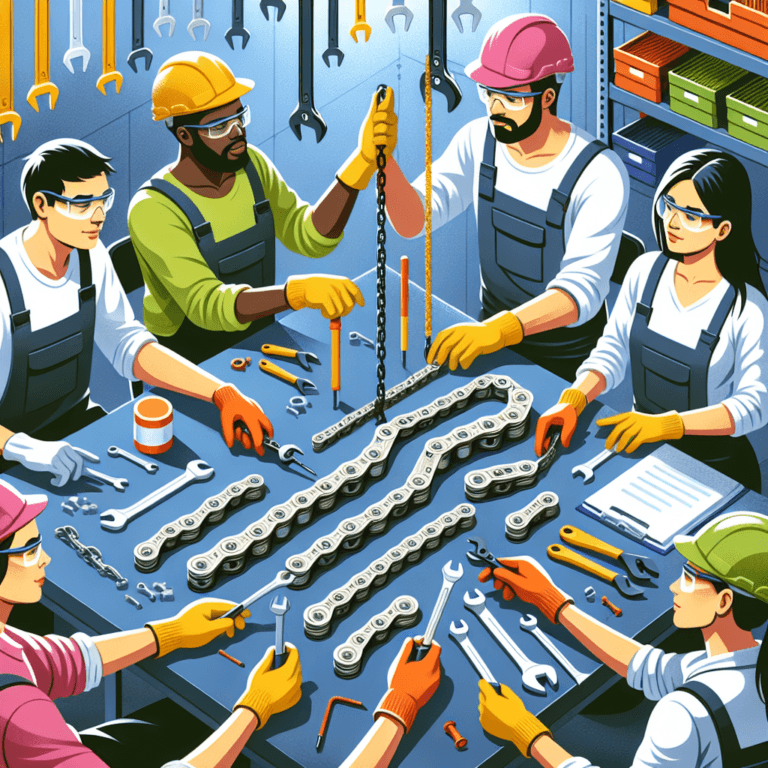
Energy chains, also known as cable carriers or drag chains, are essential components used in various industries, particularly in areas involving moving machinery, robotics, and automated systems. These chains protect and guide cables and hoses, ensuring smooth and efficient operation. While metal chains were traditionally used for these applications, plastic energy chains have gained popularity due to their lightweight nature, corrosion resistance, and flexibility. However, like all mechanical components, they require regular care and maintenance to ensure optimal performance. This article explores practical tips for maintaining and caring for plastic energy chains.
Understanding Plastic Energy Chains
Before diving into care and maintenance techniques, it’s important to understand what plastic energy chains are. Made from high-performance polymers, these chains are designed to carry and protect cables, wires, and hoses in dynamic applications. Their lightweight design contributes to lower energy consumption in machines, while their resistance to chemicals and temperatures makes them suitable for a variety of industrial environments.
Importance of Care and Maintenance
Proper care and maintenance of plastic energy chains are crucial for several reasons:
- Longevity: Regular maintenance extends the life of the chain, preventing costly repairs and replacements.
- Performance: Well-maintained chains operate smoothly, reducing the risk of wear and tear on both chains and the cables they carry.
- Safety: Properly functioning energy chains minimize the risk of machinery breakdowns that can lead to safety hazards for workers.
Regular Inspection
Conducting regular inspections is one of the most critical aspects of maintaining plastic energy chains. Here are some key areas to focus on during an inspection:
Visual Checks
Begin with a thorough visual examination of the energy chain. Look for signs of wear, such as cracks, discoloration, or deformation in the material. Pay attention to the joints and hinges, as these areas are prone to stress and damage.
Cable Condition
Inspect the cables and hoses within the chain. Ensure they are not frayed or pinched, as this can lead to electrical shorts or leaks. Proper cable management is essential to avoid excessive strain on both the cables and the chain.
Alignment and Positioning
Check that the energy chain is installed correctly and remains aligned during operation. Misalignment can cause increased friction and wear, leading to premature failure.
Cleaning Procedures
Keeping plastic energy chains clean is vital for maintaining their performance. Here’s how to effectively clean them:
Materials Needed
- Soft cloth or microfiber towels
- Mild detergent or soap
- Soft-bristled brush (for hard-to-reach areas)
- Water
- Optional: compressed air
Cleaning Steps
- Power Down: Before cleaning, ensure the machinery is powered down and completely secured to prevent accidental operation.
- Remove Dirt and Debris: Use a soft-bristled brush or cloth to remove any dirt, dust, or debris from the chain. Pay particular attention to the joints and areas where dirt tends to accumulate.
- Wash with Solution: Prepare a mild detergent solution in water. Dampen a cloth or sponge with the solution and gently wipe down the chain. Avoid using overly harsh chemicals as they may damage the plastic.
- Rinse and Dry: After washing, rinse the chain with clean water to remove any soap residue. Use a soft towel to dry the chain thoroughly, as moisture can lead to mold and deterioration.
- Blow Dry (Optional): For hard-to-reach areas, compressed air can be used to blow away moisture and debris.
Lubrication
Lubrication is another key maintenance activity for plastic energy chains. Though they are designed to require less lubrication than metal chains, adding lubricant to moving parts can help reduce friction and wear.
Choosing the Right Lubricant
When selecting a lubricant, it’s essential to choose one that is compatible with plastic. Look for products specifically designed for plastic applications. Common options include:
- Silicone-based lubricants
- Light machine oils (ensure they are plastic-safe)
Lubrication Process
- Identify Lubrication Points: Focus on the pivot points and joints of the energy chain. These areas experience the most movement and, therefore, require regular lubrication.
- Apply Lubricant: Use a small applicator to apply lubricant directly to the moving parts. Avoid over-applying, as excess lubricant can attract dirt and debris.
- Wipe Off Excess: After application, wipe off any surplus lubricant to maintain a clean operating environment.
Temperature Considerations
Plastic energy chains are designed to operate within specific temperature ranges. Extreme temperatures can affect the material properties of the plastic, potentially leading to brittleness or distortion.
Monitoring Ambient Temperature
Regularly monitor the ambient temperature of the environment where the energy chains are utilized. If machinery operates in conditions that exceed or fall short of the recommended temperature range, consider the following:
- Insulation: Use insulating materials to help maintain an optimal temperature.
- Cooling Systems: In high-temperature environments, incorporating cooling systems can help protect both the energy chain and the cables within it.
Load Management
It’s essential to adhere to the weight specifications for plastic energy chains. Overloading not only affects the chain’s performance but can also lead to premature failure.
Understanding Load Limits
Every plastic energy chain comes with a specified load limit. Always refer to the manufacturer’s guidelines regarding maximum load capacity. Ensuring that you stay within these limits not only prolongs the life of the chain but also enhances safety and efficiency.
Storage and Handling
When not in operation, proper storage of plastic energy chains is paramount. Here are a few best practices:
Temperature Control
Store energy chains in a temperature-controlled environment away from extreme heat or cold. Excessive ambient temperatures can cause the material to degrade over time.
Avoid Direct Sunlight
Prolonged exposure to direct sunlight can lead to UV damage. Store chains in a shaded area or a sealed container to keep them protected from UV rays.
Handle with Care
Always handle the chains with care to avoid any physical damage. Use appropriate lifting techniques when moving them to prevent bending or breaking.
Conclusion
Caring for and maintaining plastic energy chains is crucial for ensuring their optimal performance and longevity. Regular inspections, cleaning, lubrication, temperature control, load management, and proper handling and storage all play significant roles in the maintenance of these essential components. By following these practices, organizations can enhance productivity, reduce downtime, and ensure safety in their operations. With a little time and attention, you can keep your plastic energy chains running smoothly for years to come.
In summary, a proactive approach to maintenance not only safeguards your equipment but also contributes to a more efficient and safe working environment. Whether in manufacturing, robotics, or any industry utilizing automated systems, understanding and implementing proper care for plastic energy chains is an investment that pays off in performance and reliability.
Daguang focuses on providing solutions such as precision CNC machining services (3-axis, 4-axis, 5-axis machining), CNC milling, 3D printing and rapid prototyping services.



















