
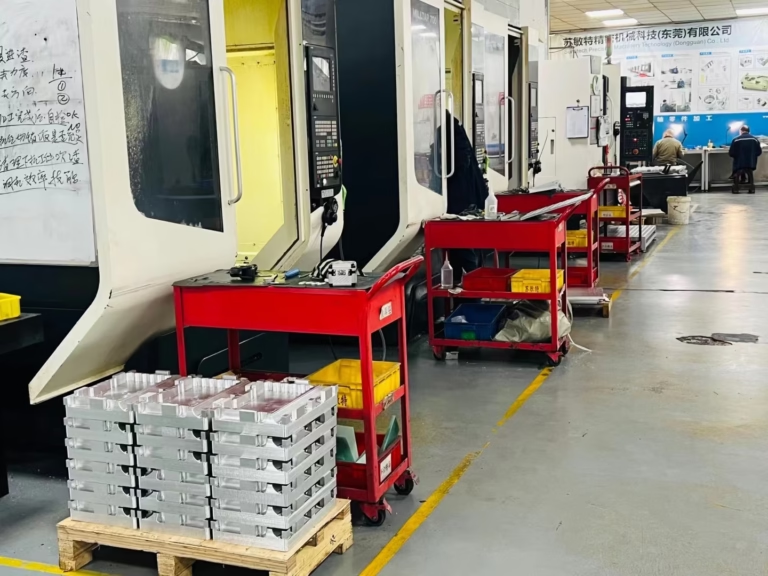
Yes, oriented strand board (OSB) can indeed be CNC machined. As a cost-effective and structurally robust engineered wood panel, it presents a viable, albeit distinctive, option for various computer-controlled machining applications, from prototyping and custom fixtures to architectural elements and artistic installations. However, machining OSB is fundamentally different from working with materials like aluminum or even medium-density fiberboard (MDF), and requires specific strategies to achieve optimal results.
At GreatLight CNC Machining Factory, our experience with a vast array of materials, from metals to composites and engineered woods, gives us a comprehensive perspective on the practicalities of machining less-conventional substrates like OSB. While our core expertise lies in high-precision metal parts, our understanding of material science and machining dynamics extends to providing authoritative guidance on projects involving wood-based panels.
H2: Understanding OSB: Structure and Machining Implications
To machine OSB effectively, one must first understand its composition. OSB is manufactured by compressing and bonding layers of wood strands with wax and synthetic resin adhesives under heat and pressure. This creates a panel with high strength, stiffness, and durability, but also introduces specific challenges for precision machining.
Key Characteristics Affecting CNC Machining:
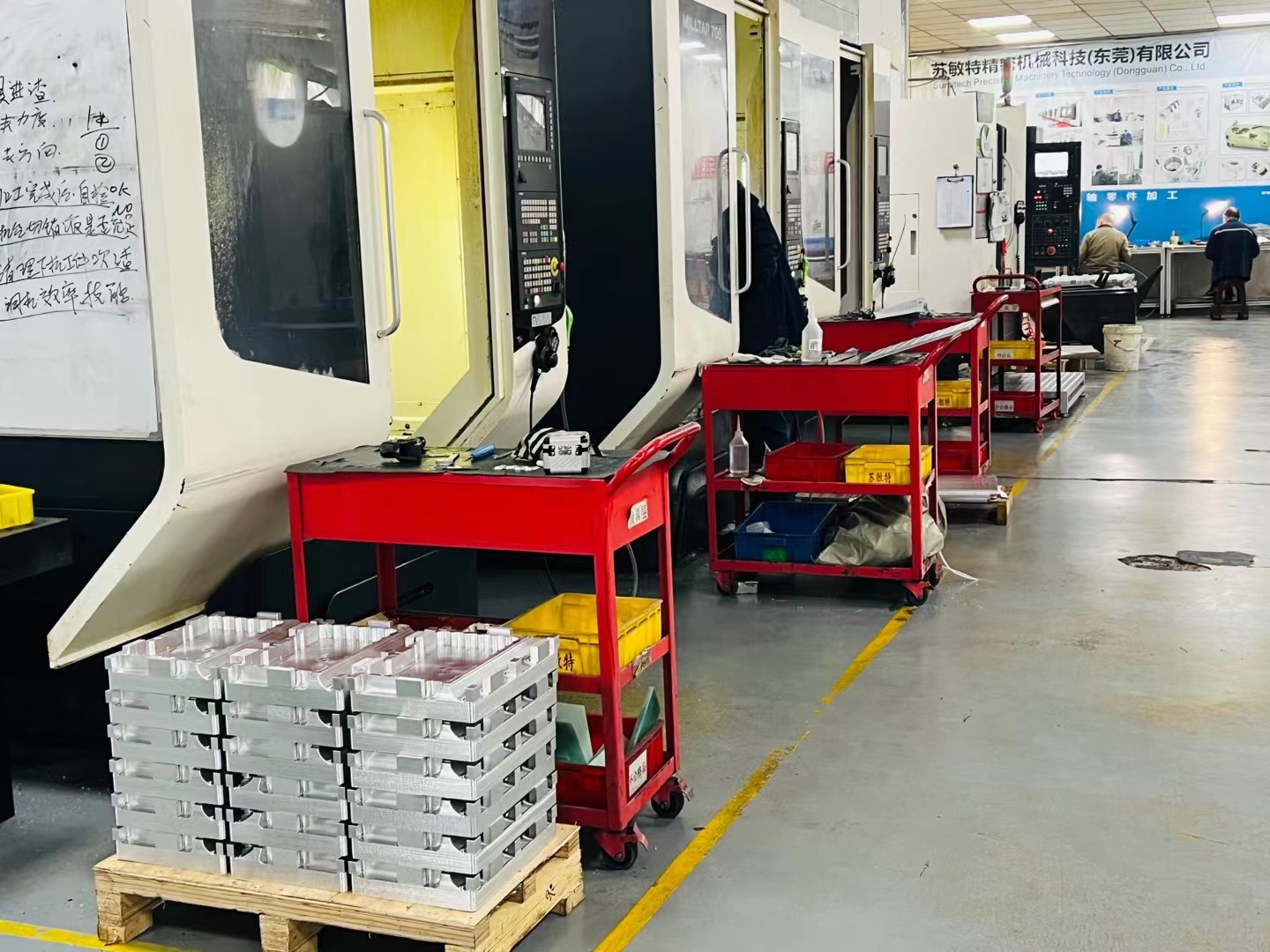
Highly Abrasive Composition: The resins and adhesives used are exceptionally hard on cutting tools, leading to accelerated wear compared to machining solid wood or MDF.
Variable Density and Heterogeneous Structure: The random orientation and layering of strands can cause inconsistent cutting forces, potentially leading to vibration, tear-out, or chipping, especially at panel edges.
Surface Texture: The rough, textured surface is inherent to OSB and cannot be machined to a smooth, finish-ready surface like MDF. Machining will expose the internal strand structure.
Moisture Sensitivity: While more moisture-resistant than some plywoods, OSB can still swell if exposed to significant moisture, which can affect dimensional accuracy post-machining.
H2: Best Practices for CNC Machining OSB
Successfully CNC machining OSB hinges on adapting your process to its unique properties. Here are critical technical considerations:
Tooling Selection: This is the most critical factor.
Use Carbide-Tipped or Solid Carbide Router Bits: Standard high-speed steel (HSS) bits will dull almost immediately. Carbide’s hardness is essential to withstand the abrasiveness.
Optimize Bit Geometry: Compression bits (with up-cut and down-cut spirals combined) are excellent for cutting through layered materials without top or bottom tear-out. Alternatively, down-cut spiral bits help hold down the top surface and strands, minimizing fraying.
Plan for Frequent Tool Changes: Have multiple bits on hand for long jobs and inspect them regularly for wear.
Machining Parameters:
Feed Rate and Spindle Speed: Run at a moderately high feed rate. A slow feed rate allows the bit to rub and generate excessive heat, melting the resins and accelerating wear. A higher feed rate promotes a cleaner, cooler cut. Spindle speeds should be adjusted accordingly, typically in the mid-to-high range for your machine.
Depth of Cut: Take lighter, multiple passes rather than a single deep cut. This reduces stress on the tool, minimizes tear-out, and produces better edge quality.
Dust Control and Safety:
Imperative Dust Collection: OSB dust is fine, pervasive, and contains resins. A powerful dust collection system is non-negotiable for machine health, shop cleanliness, and operator safety.
Personal Protective Equipment (PPE): Operators must wear proper respiratory protection (NIOSH-approved dust masks or respirators) and eye protection.
Design and File Preparation:
Account for Kerf: The abrasive cut will have a specific kerf width; ensure your toolpaths compensate for this.
Minimize Fine Details: Intricate, delicate features with thin walls are prone to breaking due to OSB’s strand structure. Designs with robust geometries and reasonable tolerances work best.
Clamping Strategy: The panel surface is uneven. Ensure secure clamping across a broad area, potentially using a spoil board with strategic vacuum zones or mechanical clamps on waste areas.
H2: OSB vs. Common CNC Materials: A Practical Comparison
| Feature | OSB | MDF | Plywood | Aluminum (for context) |
|---|---|---|---|---|
| Machinability | Good, but abrasive | Excellent, very smooth | Good, varies by grade | Excellent, but requires different tools/tech |
| Edge Finish | Rough, exposed strands | Very smooth, clean | Layered, can have voids | Smooth, can be polished |
| Tool Wear | Very High | Low | Moderate | High (but for different reasons) |
| Primary Cost | Very Low | Low | Moderate | High |
| Strength/Stiffness | High in shear | Low to Moderate | High, direction-dependent | Very High |
| Best For (CNC) | Structural prototypes, jigs, rustic aesthetics, large-scale builds | Detailed prototypes, signage, painted finishes, fine details | Functional prototypes, cabinetry, structural parts | High-precision, strong, durable end-use parts |
| Post-Processing | Sealing, edge banding, painting | Priming, painting, veneering | Sanding, veneering, painting | Anodizing, powder coating, polishing |
H2: Ideal Applications for CNC Machined OSB
Given its properties, OSB shines in specific applications where its aesthetics and structural value are assets:
Prototyping and Jigs/Fixtures: Its low cost and stiffness make it perfect for creating full-scale architectural mock-ups, assembly jigs, and large-format tooling in the workshop.
Architectural and Interior Elements: For a modern, industrial, or rustic look, CNC-machined OSB can be used for wall cladding, custom shelving, decorative screens, and furniture frames.
Signage and Art: The unique texture can be leveraged for impactful, textured lettering and artistic installations where a raw, organic feel is desired.
Custom Packaging and Crating: CNC can be used to create precisely sized, reusable shipping crates or internal protective structures for delicate equipment.
Conclusion: Can OSB Be CNC Machined?
OSB can be CNC machined effectively and is an excellent material choice for the right project. The key to success lies in respecting its abrasive nature through proper tooling selection, adapting machining parameters for a clean cut, and designing parts that play to its structural and aesthetic strengths. While it will never yield the fine-detail precision or glass-smooth finish of machined MDF or aluminum, it offers unparalleled value for large, strong, and visually distinctive components. For projects demanding ultimate precision and finish in a wood-based panel, materials like MDF or high-grade plywood are often more suitable. However, when the goal is economical strength, rapid prototyping, or embracing an industrial aesthetic, CNC machined OSB is a powerful and capable solution.
H3: Frequently Asked Questions (FAQ)
Q1: What is the best CNC router bit for cutting OSB?
A: Solid carbide or carbide-tipped compression spiral router bits are the best choice. They combine up-cut and down-cut actions to cleanly shear through the layered strands, minimizing tear-out on both the top and bottom surfaces of the panel.
Q2: Why does my router bit get dull so quickly when cutting OSB?
A: OSB contains hardened resins and adhesives that are highly abrasive. These materials wear down the cutting edges of tools much faster than natural wood. Using carbide bits and maintaining an efficient feed rate (not too slow) are essential to extend tool life.
Q3: Can I achieve a smooth finish on the cut edges of OSB with a CNC?
A: A truly “smooth” finish like sanded solid wood is not possible due to the exposed strand composition. However, you can achieve a clean cut with minimal tear-out by using a sharp compression bit and correct feeds and speeds. The edge will always have a textured, “OSB look.” For a smoother appearance, edges can be filled with specialty putties or sealed with edge banding.
Q4: Is OSB dust from CNC machining dangerous?
A: Yes, it is an irritant and should not be inhaled. The dust contains fine wood particles and chemical resins. Absolutely essential safety measures include using a high-performance dust collection system directly at the cutting point and the operator wearing appropriate respiratory protection (NIOSH N95 or better).
Q5: For a high-precision prototype with a painted finish, should I choose OSB or MDF?
A: For this application, MDF is almost always the superior choice. It machines to a much smoother surface, allows for finer detail, holds tighter tolerances, and provides a uniform substrate that paints beautifully. OSB’s rough texture and potential for edge tear-out make it less ideal for precision, finished prototypes.


















