
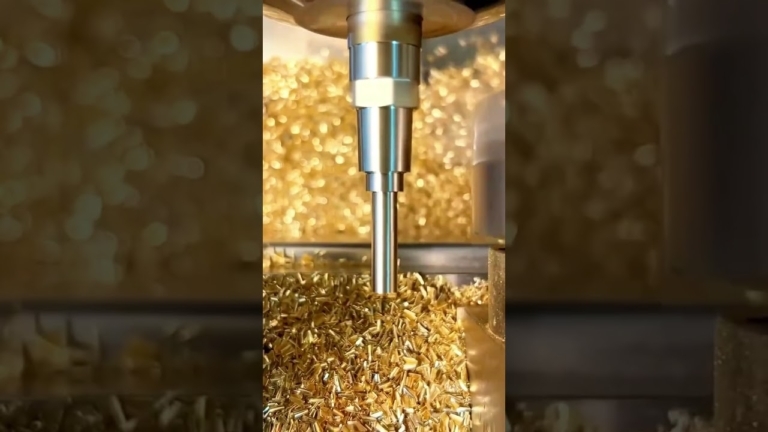
Brass Parts: The Unsung Heroes of Precision Engineering
When it comes to precision engineering, brass parts play an often-overlooked yet pivotal role in various industries, including automotive, aerospace, electronics, and more. Brass, an alloy of copper and zinc, boasts a unique combination of desirable physical and mechanical properties, making it an ideal material for numerous applications. This article delves into the characteristics, manufacturing processes, and advantages of brass parts, particularly through mill-turn machining, highlighting how advancements in CNC machining technology have transformed their production.
Understanding Brass: Characteristics and Uses
Brass is favored by engineers and designers for its alluring attributes. The alloy’s high corrosion resistance, excellent machinability, and good electrical conductivity make it suitable for a wide range of applications, including fittings, connectors, knobs, and various components in machinery.
Properties of Brass
Corrosion Resistance: Brass parts resist corrosion better than other metals, especially in harsh environments, owing to their oxide layer that forms naturally. This property makes them ideal for plumbing and marine applications.
Machinability: Brass is easy to machine due to its low friction against cutting tools, allowing for intricate designs with tight tolerances. This characteristic is particularly advantageous in CNC machining processes.
Ductility and Malleability: Brass can be easily shaped and formed without breaking, enabling manufacturers to create complex geometries that meet specific design requirements.
- Thermal and Electrical Conductivity: With good thermal and electrical conductivity, brass is widely used in electrical fittings and heat exchangers, ensuring reliable performance in these applications.
Common Applications of Brass Parts
Due to its versatile properties, brass finds applications in various domains:
Automotive Industry: Used in electrical connectors, fittings, and valves, brass parts enhance reliability and durability in automotive components.
Aerospace: In the aerospace sector, brass is utilized in critical components that must withstand extreme conditions while maintaining performance.
Electronics: Electrical connectors and hardware often employ brass due to its high conductivity and resistance to corrosion.
- Plumbing: Brass is a common choice for plumbing fittings and fixtures due to its water resistance and mechanical strength.
The Role of CNC Machining in Brass Parts Manufacturing
CNC (Computer Numerical Control) machining has revolutionized the way complex parts, including brass components, are manufactured. Mill-turn machining, a specific subset of CNC technology, combines milling and turning operations to enhance efficiency and versatility in producing brass parts.
What is Mill-Turn Machining?
Mill-turn machining involves a single CNC machine equipped with milling and turning capabilities. This dual functionality enables the production of complex geometries in a single setup, minimizing material waste and reducing lead times.
Benefits of Mill-Turn Machining for Brass Parts
Increased Efficiency: By integrating both milling and turning processes, manufacturers can significantly reduce production time. The ability to complete multiple operations in one setup streamlines production workflows.
Precision and Accuracy: CNC mill-turn machines provide exceptional precision, allowing for the production of parts with tight tolerances. This precision is critical for brass components used in high-performance applications.
Complex Geometries: The capability to perform both milling and turning operations allows for the creation of intricate designs and contours that would be challenging or impossible with traditional methods.
- Reduced Tooling Costs: Since multiple operations can be performed on one machine, the need for multiple setups is eliminated, reducing tooling costs and enhancing overall cost-effectiveness.
Choosing the Right CNC Machining Partner for Brass Parts
When it comes to sourcing brass parts, selecting a competent CNC machining partner is essential. The right manufacturer can significantly affect the quality and performance of the produced components.
Key Considerations
Experience and Expertise: Look for CNC machining companies with a proven track record in producing brass parts. Their experience can greatly influence the quality and accuracy of the machining process.
Technology and Equipment: Up-to-date technology and state-of-the-art CNC machines, including mill-turn capabilities, are crucial for achieving precise and efficient manufacturing.
Quality Control Processes: Opt for manufacturers with stringent quality control measures. These processes ensure that the finished brass parts meet specified tolerances and industry standards.
Customization Options: A good CNC machining partner should offer customization, allowing for modifications in design, size, and finishing options to cater to specific project requirements.
- Customer Support: Reliable customer service can enhance the overall experience, providing assistance and communication throughout the manufacturing process.
The Future of Brass Parts Manufacturing
As industries continue to evolve, so do the technologies and processes used in the manufacturing of brass parts. Innovations in CNC machining, combined with advancements in materials science, promise to enhance efficiency, accuracy, and sustainability in production.
Emerging Trends
Automation: The rise of automated CNC machining processes, including AI-driven monitoring systems, will improve production efficiency while reducing human error.
Sustainability Practices: Manufacturers are increasingly adopting sustainable practices, such as recycling brass shavings and minimizing waste during the machining process, contributing to environmentally friendly operations.
- Advanced Materials: Ongoing research in brass alloys and composites could lead to new formulations that offer enhanced properties while maintaining manufacturability.
Conclusion
Brass parts are undeniably crucial components across a variety of industries. Their unique properties make them indispensable in applications demanding durability, conductivity, and precision. With the advent of CNC machining, particularly mill-turn technology, the production of brass parts has become more efficient, allowing manufacturers to meet complex design requirements while maintaining high standards of quality.
As technology continues to advance, the capabilities of CNC machining will only expand, further optimizing the manufacturing of brass components. In an era of automation and sustainability, investing in top-notch CNC machining services will be key for industries looking to leverage the full potential of brass in their products. Whether for a fitting in a plumbing system, a component in an aircraft, or a connector in electronics, the future of brass parts is bright, underscoring their significance as the unsung heroes of modern engineering.
Daguang focuses on providing solutions such as precision CNC machining services (3-axis, 4-axis, 5-axis machining), CNC milling, 3D printing and rapid prototyping services.



















