
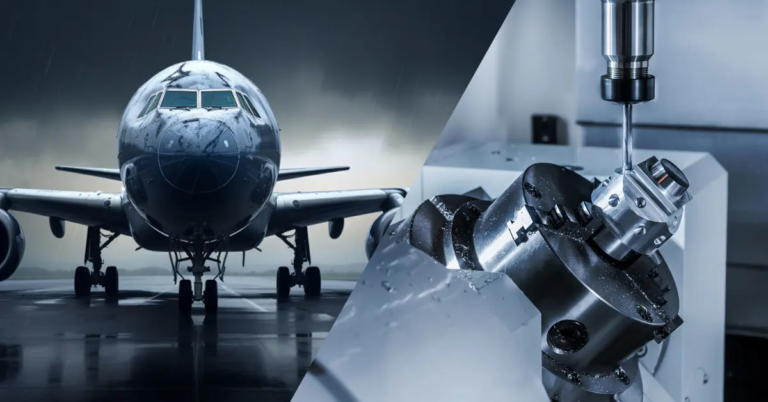
Basic knowledge of CNC side milling
CNC side milling is a key aspect of modern manufacturing, and understanding its fundamentals is essential for producing high-quality parts. In this article, we will dig into the world of CNC Side Milling and explore its definitions, types, strengths, and best practices.
What is CNC side milling?
CNC side milling is a computer-controlled milling process that involves rotating the cutting tool along a predetermined path to remove material from the workpiece. This process is often used to create complex shapes, cavity and features on a variety of materials including metals, plastics, and composites.
CNC side milling type
There are several types of CNC side milling, including:
- Peripheral milling: This is the most common type where the cutting tool is supported by the peripheral surface of the cutting tool bracket.
- Facial milling: This type of milling involves the use of a facial mill, a cutting tool with multiple cutting surfaces for mechanical plane surfaces.
- End milling: This type of milling involves the use of end mills, a cutting tool with tip ends for machine cavity and holes.
Advantages of CNC side milling
CNC Side Milling offers several advantages, including:
- accurate: CNC side milling provides precise control of the cutting process, resulting in accurate and consistent parts.
- flexibility: CNC side milling can be used to process a variety of materials, making it a versatile process.
- efficiency:CNC side milling is a relatively fast process that reduces production time and improves productivity.
Best Practices for CNC Edge Milling
To achieve the best results, best practices must be followed, including:
- Appropriate tool selection: Select the correct cutting tool for the desired application.
- Determine the optimal cutting conditions: Try different cutting parameters such as speed and feed rate to get the best results.
- Monitoring and adjusting: Continuously monitor the processing process and adjust as needed to maintain optimal performance.
in conclusion
CNC side milling is an important aspect of modern manufacturing, with precision, flexibility and efficiency. By understanding the basic principles, types and best practices of CNC side milling, manufacturers can produce high-quality parts with improved accuracy and efficiency. Whether using metals, plastics or composites, CNC Side Milling is a valuable technology that can help businesses achieve their goals.
FAQ
Q: What are the benefits of CNC side milling?
A: CNC side milling provides accuracy, flexibility and efficiency.
Q: What are the different types of CNC side milling?
A: There are three main types: peripheral milling, face milling and end milling.
Q: What are the best practices for CNC side milling?
A: It is crucial to determine the optimal cutting conditions and monitor and adjust the process with appropriate tool selection.
Q: Can CNC side milling be used to produce parts from different materials?
A: Yes, CNC side milling can be used to process a variety of materials, including metals, plastics and composites.



















