
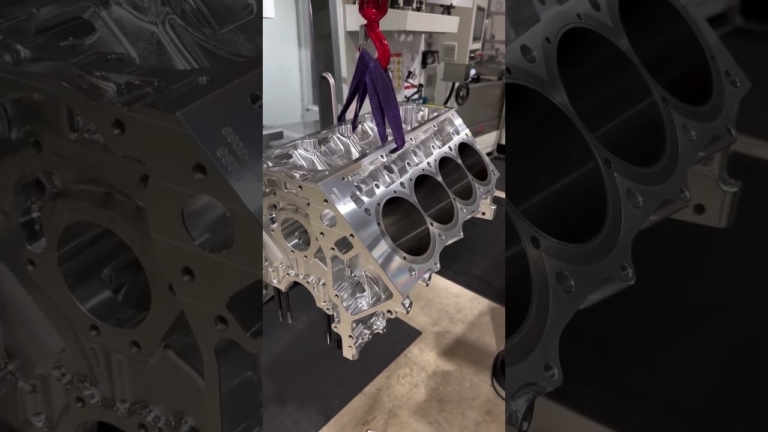
The world of automotive engineering is a blend of precision, performance, and artistry, and one of the most captivating elements of this domain is the engine. At the heart of every automobile lies a complex assembly of components working in harmony to convert fuel into motion. As the art of manufacturing has evolved, CNC (Computer Numerical Control) machining has transformed the landscape of engine production, adding an aesthetic dimension that enhances both function and form. In this article, we will explore the beauty of automobile engines shaped by CNC machining, delving into the sophistication of modern manufacturing, the benefits of CNC techniques, and the artistic aspects that make these mechanical marvels visually striking.
The Evolution of Engine Manufacturing
In the early days of automotive engineering, engines were handcrafted with limited tools and technologies. Artisans relied on manual skills, which often resulted in variability in quality and performance. As demand for automobiles surged, manufacturers sought innovative methods to increase production efficiency while maintaining quality. This led to the advent of CNC machining—a breakthrough that combines computer technology with precision engineering.
CNC technology enables the automated control of machine tools to create intricate parts with high precision. Utilizing CAD (Computer-Aided Design) software, engineers can design components that can be meticulously crafted by CNC machines. This progression has led to the emergence of engines that are not only powerful, but also aesthetically appealing.
The Intricacies of CNC Machining
CNC machining is a meticulous process that allows for the production of highly detailed engine components. The beauty of CNC machining lies in its ability to achieve tight tolerances and complex geometries that traditional manufacturing methods struggle to replicate.
Precision Engineering: The heart of CNC machining is its precision. With tolerances as tight as ±0.001 inches, machinists can create engine parts that fit together seamlessly, ensuring optimal performance and durability. This level of accuracy is critical in engine design, where even the smallest deviation can lead to significant inefficiencies.
Complex Geometries: Modern engines require components with sophisticated shapes to optimize airflow and fuel delivery. CNC machines can produce intricate patterns and forms that enhance the aerodynamics of an engine, which not only improves performance but also gives the engine a visually stunning appearance.
- Material Versatility: CNC machining supports a wide range of materials, from lightweight aluminum alloys to robust stainless steel. This versatility allows engineers to choose materials that not only perform well but also enhance the engine’s aesthetic appeal. For example, polished aluminum components can give an engine a sleek, modern look.
The Aesthetic Appeal of CNC-Machined Engines
Beyond performance, the visual elements of an engine have come to play an essential role in automotive design. Enthusiasts often appreciate the beauty of well-crafted engine components, which can be admired through transparent hoods or displays in motorsport venues.
Sculptural Quality: CNC-machined parts often appear sculptural, with smooth curves and sharp lines that convey a sense of power and sophistication. The process allows for unique designs that reflect the creativity of the engineers and designers involved in the project.
Surface Finishes: The finish of a CNC-machined part can significantly affect its appearance. Techniques such as anodizing or bead blasting can enhance the surface, resulting in eye-catching aesthetics that attract attention. These cosmetic enhancements not only improve the visual appeal but can also provide protective coatings that prolong the life of components.
- Customization: The flexibility of CNC machining allows for customization, enabling manufacturers to produce limited edition or bespoke engines. Car enthusiasts often seek personalized touches, such as engraved logos or custom colors, which can be seamlessly integrated into the CNC machining process. This bespoke approach adds a unique character to each engine, making them one-of-a-kind pieces of art in the automotive world.
The Impact of CNC Machining on Engine Performance
While the aesthetic appeal of CNC-machined engines is undeniable, it is important to highlight the performance benefits that come with this advanced manufacturing technique.
Increased Efficiency: CNC machining allows for the design and production of components that minimize waste and maximize airflow. This optimization results in better engine efficiency, higher power output, and improved fuel economy, which are crucial in today’s eco-conscious market.
Enhanced Reliability: The precise nature of CNC machining leads to reduced wear and tear on engine components. Parts manufactured with high accuracy fit together tightly, which minimizes the risk of malfunctions and extends the lifespan of the engine.
- Streamlined Production: The automation of CNC machining does not only speed up the manufacturing process, but also reduces labor costs and material waste. This allows automotive companies to innovate rapidly and bring newly designed engines to market more effectively, often leading to better-performing and more reliable engines.
The Future of CNC Machining in Automotive Engineering
As automotive technology continues to advance, the role of CNC machining will only grow more critical. With the rise of electric vehicles (EVs) and more complex powertrains, the demand for precision-engineered components has never been higher. High-performance electric motors, intricate battery packs, and advanced cooling systems all depend on the same precision and artistry that CNC machining provides.
Integration with Emerging Technologies: The future of automotive manufacturing will undoubtedly integrate CNC machining with technologies like 3D printing and advanced robotics. These innovations promise even greater efficiencies and capabilities in engine design, paving the way for creativity in ways previously thought impossible.
Sustainability: As the automotive industry shifts toward sustainability, CNC machining will play a crucial role in producing engines and components from eco-friendly materials. The precise nature of CNC processes also reduces waste, contributing to more sustainable manufacturing practices.
- Enhanced Customer Engagement: The ability to customize and personalize engine components through CNC machining will become increasingly important as consumer preferences evolve. Enthusiasts are looking for engines that not only perform but also resonate with their personal styles and tastes. Manufacturers who embrace this trend will find new ways to engage with their clientele.
Conclusion: The Beauty and Precision of CNC Machined Engines
Automobile engines represent the pinnacle of engineering creativity, blending technical sophistication with beauty. CNC machining has revolutionized the manufacturing of engine components, allowing for precision and artistry to coexist. As we look to the future, the combination of advanced technologies and the enduring desire for aesthetic appeal will shape the evolution of automotive engines. In a world driven by performance and visual impact, CNC machining will undoubtedly remain at the forefront, crafting not just engines, but iconic pieces of automotive art.
In the realm of engines, beauty is not merely skin deep—it is embedded in precision, reliability, and the innovative spirit that drives humanity’s quest for mobility. So, the next time you lay eyes on a CNC-machined automobile engine, take a moment to appreciate the stunning artistry inherent in its design and the revolutionary engineering that makes it possible.
Daguang focuses on providing solutions such as precision CNC machining services (3-axis, 4-axis, 5-axis machining), CNC milling, 3D printing and rapid prototyping services.



















