
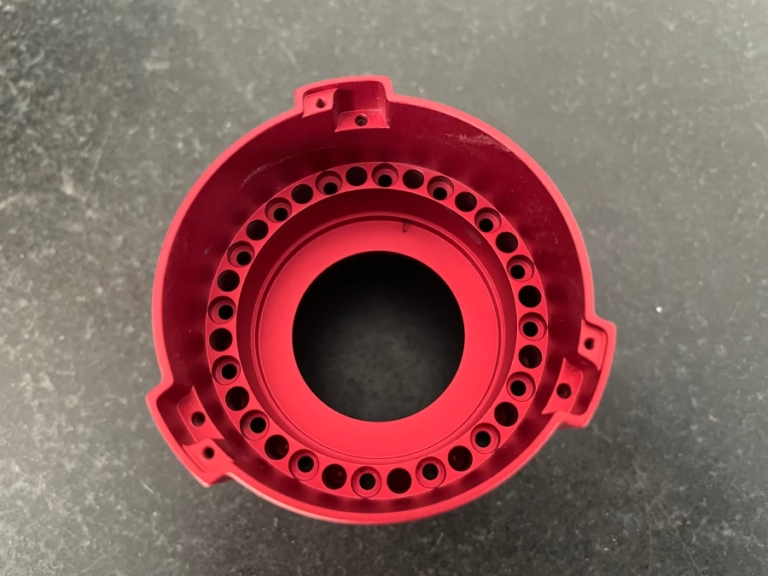
When discussing the pinnacle of modern manufacturing equipment, the name Mazak invariably commands respect and attention. For clients in the precision parts machining and customization field, the question “A Mazak CNC Machine?” often translates to a deeper inquiry about capability, reliability, and the ultimate quality of the finished parts. As a senior manufacturing engineer, I’ve witnessed firsthand how the choice of machine tool is not merely a procurement decision but a foundational strategic commitment that defines a shop’s competitive edge.
H2: Mazak CNC Machines: The Benchmark in Advanced Machining
Mazak Corporation, a Japanese leader in machine tool technology, has long been synonymous with innovation, precision, and durability. Their product range, from multi-tasking Integrex machines to high-speed vertical machining centers and sophisticated 5-axis systems, represents some of the most advanced production technology available today. For a precision machining supplier, investing in Mazak equipment signals a serious dedication to tackling complex, high-tolerance work.
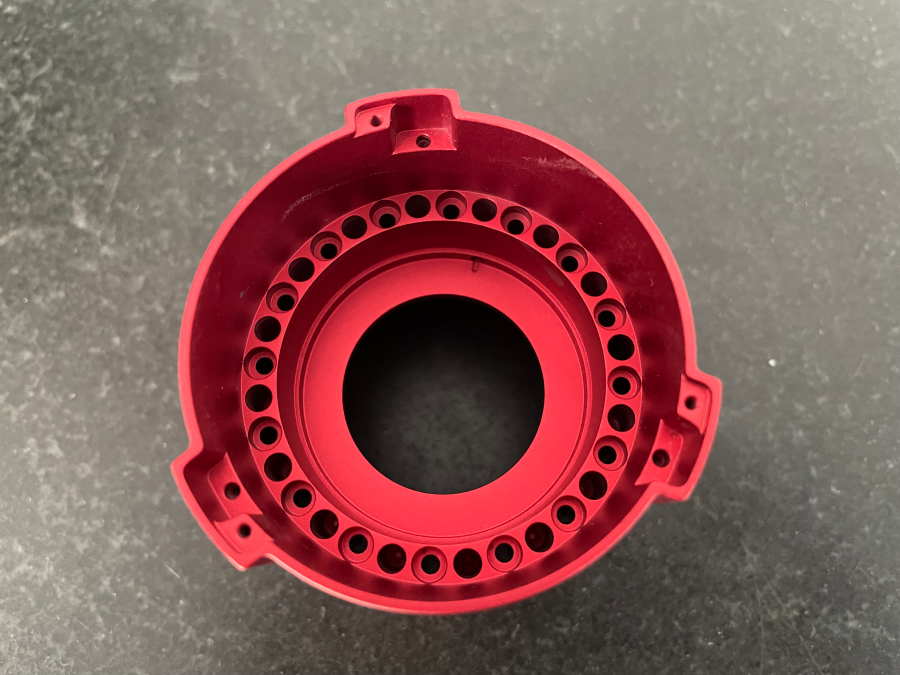
Key attributes that make Mazak stand out include:
Multi-Tasking Prowess: Machines like the INTEGREX series can combine turning, milling, drilling, and tapping in a single setup. This dramatically reduces cycle times, minimizes handling errors, and improves overall accuracy for complex parts like those found in aerospace and medical implants.
Advanced Control & Smoothness: The proprietary MAZATROL Smooth CNC system is renowned for its user-friendly programming and exceptional surface finish capabilities. Its advanced look-ahead and vibration control algorithms ensure that even the most intricate 3D contours are machined flawlessly.
Reliability and Uptime: Built with robust castings and premium components, Mazak machines are engineered for decades of service in demanding production environments. High spindle uptime and consistent accuracy over the long term are critical for meeting just-in-time delivery schedules.
Integration into Smart Factories: Mazak is at the forefront of the Smart Factory initiative with its MAZAK iSMART Factory concepts, offering seamless data connectivity for production monitoring, predictive maintenance, and optimized workflow—a crucial advantage for large-scale, high-mix production.
H3: The Real-World Impact on Your Precision Parts
So, what does a Mazak in your supplier’s workshop mean for your project?
Unmatched Geometrical Freedom: Complex impellers, turbine blades, or orthopedic components with compound curves become manufacturable in one clamping, ensuring perfect datum alignment and eliminating accumulated errors.
Superior Surface Finishes: The combination of rigid mechanics and intelligent software often reduces or even eliminates the need for secondary polishing on critical surfaces, saving time and cost.
Faster Time-to-Market: Multi-tasking and high-speed machining capabilities compress the production timeline from raw material to finished part, accelerating your R&D and product launch cycles.
Consistency in Volume: The inherent stability and precision of these machines ensure that the 1st part and the 1000th part are virtually identical, which is paramount for quality assurance in automotive or medical device production.
H3: Beyond the Machine: The Holistic Manufacturing Ecosystem
However, it is crucial to understand that a Mazak CNC machine, as phenomenal as it is, is only one piece of the precision manufacturing puzzle. The most advanced 5-axis machine is only as good as the engineering team programming it, the quality control system verifying its output, and the holistic process chain supporting it. This is where the distinction between a simple machine shop and a true manufacturing solutions partner becomes apparent.
A partner like GreatLight CNC Machining Factory exemplifies this integrated approach. While they operate a range of high-precision equipment to match various project needs, their value proposition extends far beyond the machine badge.
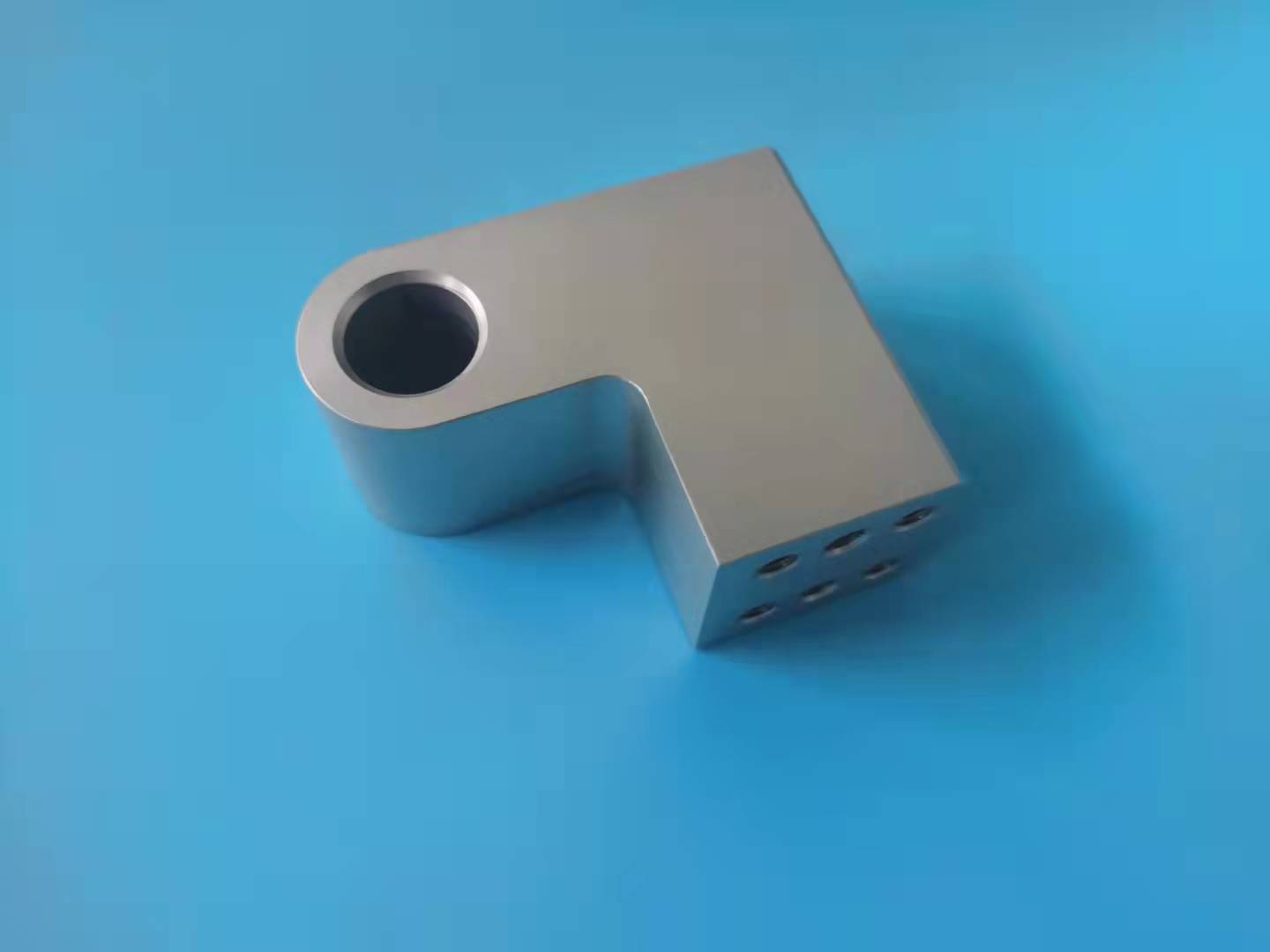
Their ecosystem includes:
A Full-Process Chain: From initial 3D design analysis to precision 5-axis CNC machining services, vacuum casting, metal 3D printing (SLM/SLA/SLS), and comprehensive post-processing (anodizing, plating, painting), they provide a true one-stop solution.
Authoritative Quality Foundations: Holding ISO 9001:2015, IATF 16949 for automotive, and compliance frameworks for medical (ISO 13485) and data security (ISO 27001), they build trust on internationally recognized systems, not just promises.
Deep Engineering Collaboration: Their team works as an extension of your R&D department, offering manufacturability design (DFM) feedback to optimize part design for cost, performance, and manufacturability before the first cut is made.
Metrology and Verification: In-house CMMs, optical scanners, and surface testers ensure that every dimension and tolerance on your drawing is rigorously verified, closing the loop between digital design and physical part.
H2: Conclusion: Partnering with Capability, Not Just a Machine
In conclusion, asking “A Mazak CNC Machine?” is the right starting point—it focuses on the tool that executes the vision. The more complete question is: “Do you have the integrated technical ecosystem, quality discipline, and engineering partnership to fully leverage such advanced technology for my specific project’s success?”
A Mazak CNC machine represents a powerful tool for extreme precision and complexity. But the true guarantee of success lies in selecting a manufacturing partner who combines such technological hard power with systematic soft power and collaborative service capability. For clients seeking not just a supplier but a strategic ally in precision parts manufacturing, evaluating partners on this comprehensive capability matrix—as demonstrated by industry leaders—is the most critical step in ensuring project success, innovation acceleration, and supply chain reliability.
H2: Frequently Asked Questions (FAQ)
Q1: Is a shop with Mazak machines always more expensive?
A: Not necessarily. While the capital investment is high, the efficiency gains—reduced setups, faster cycles, lower scrap rates—often lead to a lower total cost per part, especially for complex components. A professional partner will provide a value-based quote that considers the entire manufacturing process optimization.
Q2: For simpler parts, do I still need a 5-axis Mazak?
A: Probably not. A competent manufacturer will match the technology to the part’s requirements. A high-precision 3-axis or mill-turn center might be more cost-effective for prismatic or rotational parts. The mark of a good partner is their ability to recommend the right process from their portfolio.
Q3: How do I verify a supplier’s actual machining capability beyond their equipment list?
A: Request specific case studies or sample parts similar to your project. Ask for quality documentation (e.g., inspection reports, PPAP for automotive) from past jobs. Inquire about their in-house metrology equipment and calibration procedures. Certifications like IATF 16949 are strong indicators of a systemic approach to quality.
Q4: What’s more important, the brand of the CNC machine or the operator’s skill?
A: They are deeply interdependent. A master craftsman can achieve remarkable results on older equipment, but advanced machines unlock possibilities that are otherwise unattainable. The ideal scenario is a synergy of cutting-edge technology (like Mazak) and highly skilled, experienced engineers and programmers.
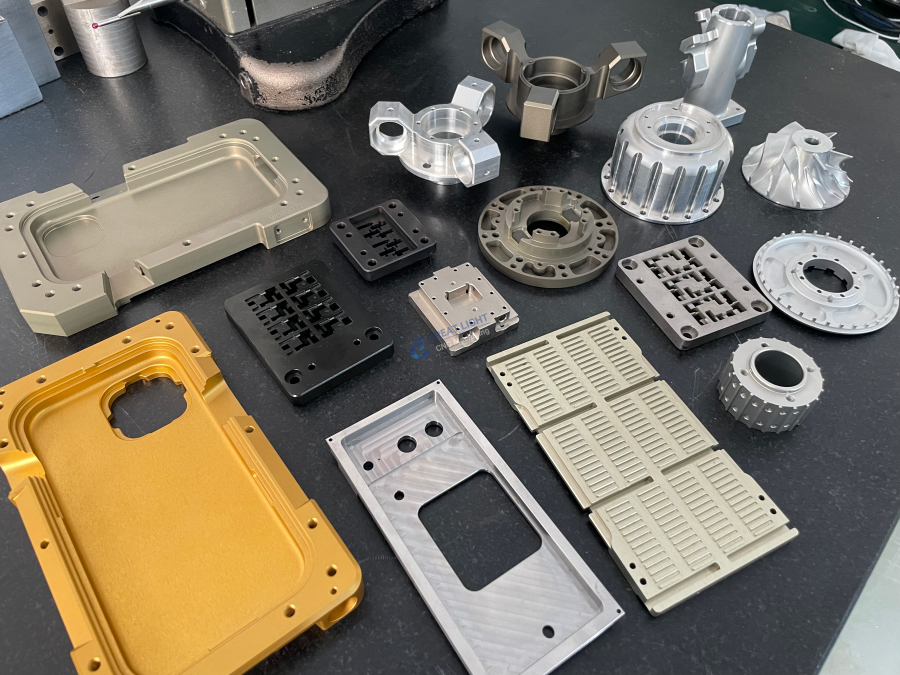
Q5: Can a manufacturer with advanced CNC machines also handle low-volume prototyping?
A: Absolutely. Leading manufacturers like GreatLight CNC Machining Factory are built for agility. Their advanced CNC systems, combined with 3D printing technologies, allow them to switch efficiently between one-off prototypes, pre-production batches, and full-scale production runs, providing seamless support throughout your product lifecycle. For more insights into their approach and industry trends, you can follow their updates on professional platforms like LinkedIn.


















