
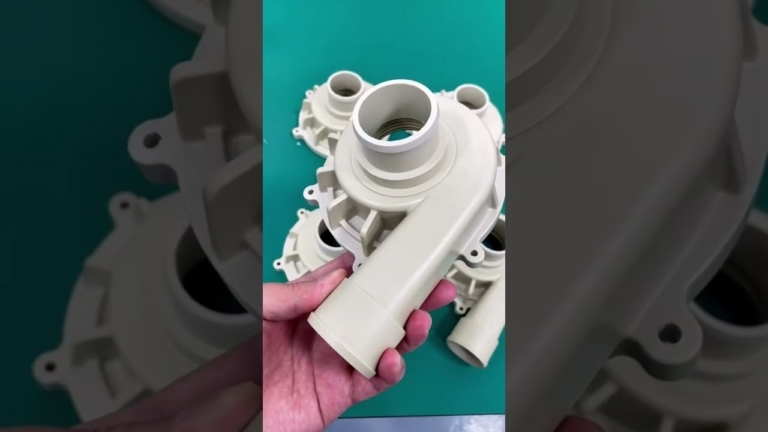
Understanding CNC Machining of Turbo Plastic Plates
CNC (Computer Numerical Control) machining is a transformative technology that has revolutionized the manufacturing landscape. Among its diverse applications, the machining of turbo plastic plates has gained significant attention, thanks to the unique characteristics of turbo plastic and the precision that CNC machines offer. Turbo plastic plates, known for their durability and lightweight properties, are commonly used in various industries including automotive, aerospace, and electronics. In this article, we’ll delve into the specifics of CNC machining of turbo plastic plates, explore its advantages and applications, and how it continues to shape modern manufacturing.
What is Turbo Plastic?
Turbo plastic is a specialized type of polymer engineered for high-performance applications. This material demonstrates excellent strength-to-weight ratios, making it an ideal choice for components that require both durability and lightweight characteristics. Typical properties of turbo plastic include:
- High Thermal Stability: This allows turbo plastic to maintain its structural integrity under high temperatures, making it suitable for components exposed to heat.
- Chemical Resistance: Turbo plastic is resistant to many chemicals, which enhances its longevity in harsh environments.
- Impact Resistance: The toughness of the material ensures that it can withstand significant physical stress without cracking or breaking.
- Low Friction: This quality is particularly beneficial in applications requiring movement, as it minimizes wear and tear.
The Role of CNC Machining in Manufacturing Turbo Plastic Plates
CNC machining involves the use of computerized controls to operate machine tools. This technology allows for remarkable precision in the production of complex geometries and intricate designs. When it comes to turbo plastic plates, CNC machining provides several advantages:
Precision and Accuracy
One of the most significant benefits of CNC machining is the high level of precision it offers. CNC machines can execute detailed designs with minimal tolerance levels, ensuring that every turbo plastic plate produced fits its specified dimensions perfectly. This is crucial in industries where precision is paramount, such as aerospace and automotive.
Reproducibility
CNC machines can reproduce exact duplicates of components, which is vital for maintaining consistency in product quality. Whether it’s producing a small batch or a large volume of turbo plastic plates, CNC machining guarantees that each piece meets the same specifications as the one before it.
Versatility
While turbo plastic plates can have complex shapes and designs, CNC machining is versatile enough to handle a variety of tasks. This includes cutting, milling, drilling, and engraving, making it an ideal choice for creating diverse parts from turbo plastic. Additionally, different types of CNC machines, such as 5-axis CNC, expand the possibilities for shaping turbo plastic into intricate designs.
Reduction in Waste
CNC machining significantly reduces material waste compared to traditional manufacturing processes. Since the machine follows a precise program, it only removes the required material, thus optimizing material use and cost efficiency. This eco-friendly aspect is crucial in today’s manufacturing landscape.
The Process of CNC Machining Turbo Plastic Plates
The machining process for turbo plastic plates typically includes the following steps:
1. Design
The first step involves creating a CAD (Computer-Aided Design) model of the turbo plastic plate. Engineers and designers use sophisticated software to draft precise blueprints, considering all necessary dimensions and specifications.
2. Material Selection and Preparation
After finalizing the design, the right type of turbo plastic is selected based on its properties required for the specific application. The material is then cut into manageable blocks or sheets suitable for CNC machining.
3. Programming the CNC Machine
The CAD model is converted into a CNC program through CAM (Computer-Aided Manufacturing) software. This program instructs the machine on how to move and operate to achieve the desired outcome.
4. Machining
The CNC machine proceeds to execute the programmed instructions. Depending on the complexity of the design, this may involve multiple machining operations, including milling, drilling, or turning.
5. Quality Inspection
Once the machining is complete, the turbo plastic plates undergo rigorous quality checks. This phase helps identify any discrepancies or defects, ensuring that only products meeting the desired standards make it to the market.
6. Finishing Touches
Depending on the application, additional finish work may be required, such as sanding, polishing, or coating. Finishing treatments can further enhance the durability and aesthetics of the turbo plastic plates.
Applications of Turbo Plastic Plates
The properties of turbo plastic, combined with the precision of CNC machining, make it a suitable option for a wide range of applications. Notably, these include:
Automotive Components
In the automotive industry, lightweight yet strong components are essential for improving fuel efficiency and performance. Turbo plastic plates can be utilized in various parts, including dashboards, structural elements, and engine covers.
Aerospace Engineering
With its high strength-to-weight ratio and thermal stability, turbo plastic is widely used in aerospace applications. CNC machined turbo plastic plates can be found in interior components, engine parts, and other critical areas where weight reduction is vital.
Electronics
In electronics, non-conductive and lightweight materials are preferred for components such as housings, connectors, and insulation parts. Turbo plastic plates, machined to precise dimensions using CNC technology, are ideal for these applications.
Medical Devices
The medical industry demands high precision and stringent standards for its devices. Turbo plastic plates can be machined to create specific components found in medical tools, equipment housings, and sterilized devices.
The Future of CNC Machining Turbo Plastic Plates
As technology continues to advance, the future of CNC machining for turbo plastic plates appears bright. Innovations in machine capabilities, such as improvements in software and hardware, will enhance machining efficiency and expand design possibilities. Additionally, the increasing focus on sustainability may propel the use of turbo plastics made from recycled materials, providing an eco-friendly solution for manufactured products.
The integration of additive manufacturing with CNC machining, often referred to as hybrid manufacturing, could also open new doors for producing even more complex geometries and designs.
Conclusion
CNC machining of turbo plastic plates offers an array of benefits, including precision, versatility, and waste reduction. With its unique properties, turbo plastic serves as a reliable material across various high-performance applications. Thanks to advancements in technology and machining capabilities, CNC machining will continue to play a pivotal role in the evolution of turbo plastic part production, ultimately pushing the boundaries of what’s possible in manufacturing.
In summary, the future of CNC machining for turbo plastics is not just about improving existing processes; it’s about pioneering new avenues in design, efficiency, and sustainability to meet the ever-growing demands of modern industries. As manufacturers adopt these innovations, the applications for turbo plastic plates will surely expand, cementing their place in the heart of contemporary engineering solutions.
Daguang focuses on providing solutions such as precision CNC machining services (3-axis, 4-axis, 5-axis machining), CNC milling, 3D printing and rapid prototyping services.



















