
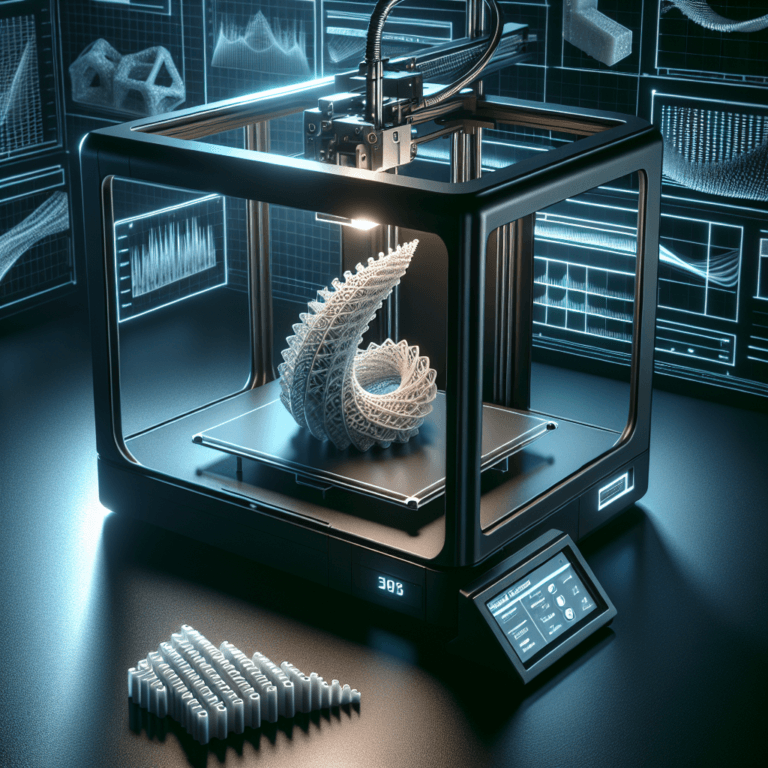
Understanding Silicone 3D Printing
Silicone 3D printing has emerged as a frontier technology revolutionizing the way we manufacture and prototype various products. Unlike traditional 3D printing materials such as thermoplastics, silicone offers unique properties that make it ideal for specific applications, particularly in industries like medical, automotive, consumer goods, and fashion. This guide delves into the mechanics of silicone 3D printing, its advantages, challenges, applications, and tips for successful printing.
What is Silicone 3D Printing?
Silicone 3D printing refers to the additive manufacturing process that employs silicone materials, often in a liquid form, to create three-dimensional objects. The process can vary but typically involves the use of specialized printers and materials that allow for high flexibility, durability, and resistance to extreme temperatures.
Types of Silicone Used in 3D Printing
There are various types of silicone used in 3D printing, and understanding their properties can help in selecting the right material for your application:
- Solid Silicone: Offers high strength and excellent temperature resistance. Ideal for products that require rigidity.
- Liquid Silicone Rubber (LSR): Highly flexible and can be injected into molds. LSR is widely used in applications that require durability and flexibility.
- High-Performance Silicone: Tailored for specific industrial applications, offering enhanced thermal and chemical stability.
Advantages of Silicone 3D Printing
Flexibility and Elasticity
One of the standout attributes of silicone is its remarkable flexibility and elasticity. This feature allows the creation of complex shapes that maintain their structural integrity while providing cushioning properties. This is particularly useful in applications like prosthetics, gaskets, and seals.
Biocompatibility
Silicone materials are often biocompatible, making them suitable for medical applications such as implants, medical devices, and dental products. The absence of harmful substances in silicones ensures safety for prolonged human contact.
Chemical and Temperature Resistance
Silicone displays excellent resistance to a wide range of chemicals as well as extreme temperatures. This property is highly valued in environments where exposure to harsh substances or extreme heat is a concern.
Customizability
Silicone 3D printing allows for significant customization options, enabling designers to create tailored solutions that meet specific requirements. From the durometer (hardness) to color and translucency, the variations in silicone properties can address diverse applications.
Challenges of Silicone 3D Printing
Equipment and Technology Limitations
Silicone 3D printing requires specialized printers equipped to handle liquid materials. These machines can be more costly than standard filament printers, making them less accessible for hobbyists or smaller businesses.
Surface Finish and Detail Resolution
Producing high-detail models with a smooth surface finish can be challenging when working with silicone. The curing process and the material’s viscosity can affect the final product’s appearance. Thus, post-processing may be required for applications requiring high aesthetics.
Cure Time
Silicone typically needs a curing process, which can take time and may require specific conditions such as heat or UV exposure, potentially slowing production rates compared to other 3D printing materials.
Applications of Silicone 3D Printing
The versatility of silicone allows its application across various industries:
Medical Industry
In the medical field, silicone 3D printing has opened avenues for developing prosthetics and orthotic devices tailored to individual patient anatomy. Additionally, silicone’s biocompatibility makes it suitable for surgical tools and implants.
Automotive
Automotive manufacturers use silicone 3D printing to create seals, gaskets, and other components that require flexibility and temperature resistance. Silicone is also employed in manufacturing dashboards and interior parts due to its aesthetic qualities.
Consumer Goods
Silicone 3D printing plays a role in designing consumer products where flexibility and durability are key, such as kitchenware, wearable technology, and personal care items. Designers can prototype swiftly, testing out different designs and functionalities.
Fashion and Jewelry
Silicone’s versatility lends itself to the fashion industry, particularly in the production of accessories and custom-made clothing items. Its elasticity and comfort are beneficial for items worn against the skin.
Techniques in Silicone 3D Printing
Various techniques utilized in silicone 3D printing cater to different project requirements:
Direct Ink Writing (DIW)
DIW is a popular method where silicone inks are extruded through a nozzle to build parts layer by layer. This method allows for high precision in the design and can accommodate silicone with varying viscosities.
Stereolithography (SLA)
SLA technologies can also be adapted to work with silicone materials, where a light source cures the silicone liquid layer by layer. This technique can produce fine details and smoother finishes.
Selective Laser Sintering (SLS)
While more conventional in the thermoplastics world, recent advancements allow for the use of silicone in SLS, leveraging powdered materials that are sintered together using a laser.
Tips for Successful Silicone 3D Printing
Selecting the Right Printer
Invest in a printer designed for silicone materials. Review specifications and ensure compatibility with your intended application and required silicone type.
Proper Design Considerations
When designing for silicone printing, consider the material’s properties. Utilize rounded edges and avoid sharp corners and intricate details that may be challenging to print accurately.
Optimize Printing Parameters
Each silicone material may require different printing settings, such as temperature and layer height. Conduct thorough testing to optimize these parameters for better print results.
Post-Processing Techniques
Given that silicone prints may require cleanup or improvement in surface texture, familiarize yourself with post-processing techniques such as sanding and polishing to achieve the desired finish.
The Future of Silicone 3D Printing
Silicone 3D printing technology continues to evolve, with advancements in printable silicone materials and printing techniques. As manufacturers streamline the production processes and improve the print resolution, silicone 3D printing may become more mainstream in various industries, offering cost-efficiency and rapid prototyping capabilities.
The growing demand for customized products and the need for versatile materials in manufacturing and design will undoubtedly drive the further development of silicone 3D printing technologies. As we look to the future, innovations are expected to enhance the possibilities, making silicone 3D printing an invaluable tool in modern manufacturing.
In conclusion, silicone 3D printing stands as a unique technology, empowering creators and industries with its flexible, durable, and biocompatible properties. Understanding the nuances of the technology and keeping abreast of developments can enable businesses and hobbyists alike to leverage its full potential.
Daguang focuses on providing solutions such as precision CNC machining services (3-axis, 4-axis, 5-axis machining), CNC milling, 3D printing and rapid prototyping services.



















