
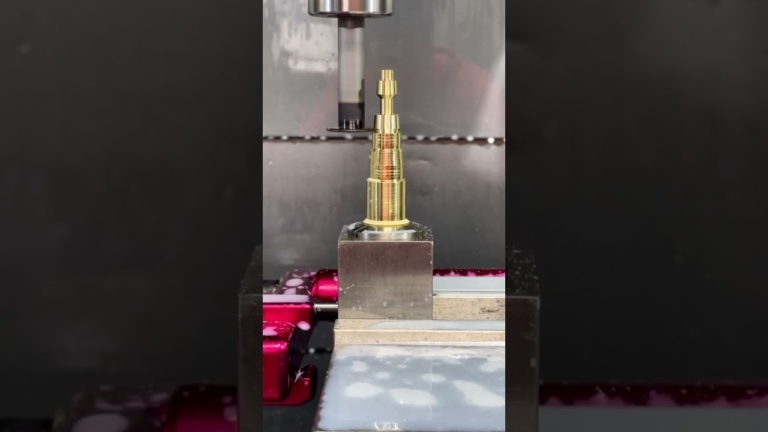
CNC Machining: The Future of Precision Engineering
In today’s manufacturing landscape, CNC (Computer Numerical Control) machining has emerged as an irreplaceable technology. Industries ranging from aerospace to automotive are experiencing a revolution, enabling enhanced accuracy, efficiency, and scalability in production processes. If you’re considering adopting CNC machining, you’re on the brink of a transformative era in your manufacturing operations.
The Basics of CNC Machining
CNC machining refers to the automated control of machining tools via a computer, allowing for the creation of complex parts with incredible precision. Unlike traditional machining methods, where operators must manually control the tools, CNC machining streamlines the process through programmed commands. This not only improves precision but also boosts productivity, making it an invaluable tool for manufacturers.
Components of CNC Machining
CNC Machine Tools: These are the heart of CNC machining and can include lathes, mills, routers, and grinders. Each type of machine is specialized for different machining tasks, allowing for varied applications.
Computer Software: CAD (Computer-Aided Design) software enables engineers to create detailed 3D models of parts. CAM (Computer-Aided Manufacturing) software translates these designs into machine instructions, ensuring that the CNC machine knows how to produce the part accurately.
Controller and Interface: The CNC controller interprets the commands from the software and controls the machine’s movements. An intuitive user interface can significantly improve ease of operation for machinists.
- Workholding Devices: These tools hold the workpiece in place during machining. The right type of clamping system can make a significant difference in accuracy and efficiency.
Applications of CNC Machining
The versatility of CNC machining allows it to serve various sectors effectively. Here are some notable applications:
Aerospace Manufacturing: Precision is paramount in the aerospace industry, where each component must meet strict regulations and standards. CNC machining allows for the production of complex parts like turbine blades and fuselage components, all while ensuring minimal waste.
Automotive Industry: With a focus on performance and safety, CNC machining provides automotive manufacturers with the capability to produce precision-engineered components such as engine parts, gearboxes, and custom fittings.
Medical Devices: The medical field benefits from CNC machining, which allows for the production of high-precision instruments and devices. Manufacturers can create surgical tools, implants, and prosthetics tailored to specific patient needs.
- Consumer Goods: From electronics to furniture, CNC machining allows for mass customization and quick production of a wide variety of consumer goods, enabling manufacturers to meet market demands swiftly.
The Advantages of CNC Machining
Increased Precision and Accuracy: CNC machines operate on a level of precision that is unattainable through manual machining. They can produce intricate designs and maintain tolerances of as low as 0.01mm.
Reduced Production Times: CNC machines can operate continually, making them ideal for high-volume production runs. They can also be programmed to produce multiple parts simultaneously, significantly reducing lead times.
Scalability: As businesses grow, CNC machining can easily adapt to increasing production needs. Manufacturers can replicate projects with identical specifications without a loss in quality.
Minimal Human Intervention: The automation of tools and processes reduces the likelihood of human error. This not only protects the integrity of the part being produced but also improves worker safety.
- Cost-Effectiveness: Although the initial investment in CNC machines can be high, the benefits often outweigh the costs. The efficiency and reduction in material waste can lead to lower overall production expenses.
Challenges and Considerations
While CNC machining presents a host of advantages, it is essential to recognize some challenges involved:
Initial Investment: The upfront costs for CNC machines and software can be significant, especially for small businesses. It’s crucial to assess the long-term benefits versus the costs.
Skill Requirements: CNC machining requires skilled operators who understand both the machines and the software. Investing in training and development is vital to maximize the machinery’s capabilities.
- Maintenance: Regular maintenance is needed to keep CNC machines running at peak performance. This includes routine checks and potential repairs, which can be time-consuming.
Exploring 5-Axis CNC Machining
One notable advancement in CNC technology is the introduction of 5-axis CNC machining. Traditional CNC machines typically operate along three axes (X, Y, and Z), but 5-axis machines add two rotational axes, allowing for even more complex geometries and angles.
Benefits of 5-Axis CNC Machining
Enhanced Flexibility: 5-axis machines can manipulate the workpiece into virtually any position, facilitating the production of highly intricate shapes without the need for multiple setups.
Improved Surface Finish: The ability to approach components from different angles results in superior surface finishes and reduces the need for extensive post-production work.
Time Efficiency: By reducing the number of setups required during the machining process, 5-axis CNC machines significantly decrease production times.
- Minimized Tool Wear: 5-axis machining allows for better access to the workpiece with fewer tool changes, which helps in prolonging tool life and maintaining efficiency.
Choosing a CNC Machinist
When choosing a CNC machinist or a service provider, it’s essential to consider several factors:
Experience and Expertise: Look for machinists with a proven track record in your industry. Understanding specific manufacturing needs can lead to better results.
Certifications: Verify whether your machinist has the necessary qualifications and certifications, ensuring they meet industry standards.
Technology and Equipment: Ensure that the machinist is equipped with the latest CNC technology, including software and machinery. This will guarantee high-quality outputs.
- Communication and Collaboration: Establish a good working relationship with your machinist. Open communication channels are vital for troubleshooting problems and ensuring the manufacturing process runs smoothly.
The Future of CNC Machining
As technology continues to evolve, the future of CNC machining looks promising. Innovations such as artificial intelligence, machine learning, and IoT (Internet of Things) are expected to enhance precision and automation. These advancements will provide manufacturers with even more powerful tools for predictive maintenance, real-time monitoring, and improved production scheduling.
In conclusion, CNC machining stands at the forefront of modern manufacturing, offering unparalleled precision, efficiency, and versatility. By understanding its applications, advantages, and future trends, manufacturers can harness the full potential of this technology, driving growth and advancement in their operations. If you’re ready to embrace CNC machining, consider its impact on your business and take the leap toward unprecedented manufacturing excellence.
glcncmachining #cnc #cncmachining #cncmachinist #machining #5axiscnc
Daguang focuses on providing solutions such as precision CNC machining services (3-axis, 4-axis, 5-axis machining), CNC milling, 3D printing and rapid prototyping services.



















