
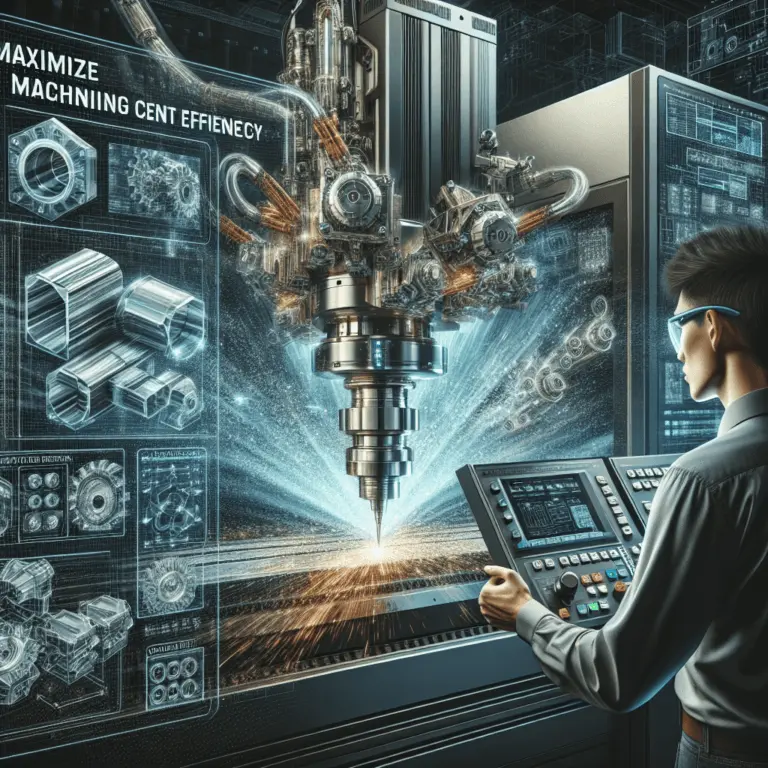
Computer numerical control (CNC) machining centers are at the heart of modern manufacturing processes, enabling high precision, repeatability and automation. As industries seek to optimize their operations, maximizing the efficiency of CNC machining centers has become a key focus to stay competitive. This article explores multi-faceted approaches to improving CNC machining efficiency, providing an in-depth look at processes, techniques, software tools, and operational best practices.
Learn about CNC machining centers
Before discussing strategies for maximizing efficiency, it is important to understand the components and functions of a CNC machining center. CNC machining involves the use of computer controls to operate machinery such as mills, lathes, milling machines and grinders. The “machining center” aspect refers to the ability of these machines to perform multiple manufacturing processes in a single setup, often incorporating a variety of tooling options.
Core components of CNC machining center
- Controller: The brain of a CNC machine tool is where programming is input.
- Drive system: Convert commands from the controller into mechanical motion.
- Spindle: Important component for holding and driving cutting tools.
- Tool changing device: Allows automatic switching of tools for different operations.
- Workbench: Fix the surface of the work piece.
- Cooling system: Reduce heat and friction during processing.
The importance of efficiency
The efficiency of CNC machining centers directly translates into increased throughput, reduced operating costs and optimized resource allocation. The goal is to minimize cycle times, reduce waste, ensure high-quality output and maximize machine uptime. By studying various processes and technologies, manufacturers can glean a range of strategies to optimize their machining operations.
Strategies for Maximizing CNC Machining Efficiency
To maximize the efficiency of your CNC machining center, several strategies can be employed:
1. Optimize tool paths
Tool path refers to the trajectory that the cutting tool follows during the machining process. Optimized tool paths can significantly reduce machining time and improve surface finish. Here are some best practices:
one. Use advanced CAM software
Computer-aided manufacturing (CAM) software can create complex tool paths with minimal user intervention. Advanced software solutions provide simulation capabilities to visualize the machining process, identify potential collisions and fine-tune parameters for optimal performance.
b. Implement adaptive processing technology
Adaptive machining involves real-time adjustment of cutting parameters based on feedback mechanisms. By using sensors and data analytics, manufacturers can modify speeds and feeds to ensure optimal cutting conditions throughout the process.
2. Implement predictive maintenance
Predictive maintenance uses data analytics to predict equipment failure before it occurs. By implementing vibration analysis, thermal imaging and oil analysis, manufacturers can extend the life of CNC machine tools, reduce unplanned downtime and improve overall efficiency.
one. Data-driven insights
Collecting and analyzing data from machine sensors can provide insights into operational performance and maintenance needs. This proactive approach ensures machines are maintained during non-productive times, optimizing uptime and productivity.
3. Tool optimization
The selection and management of cutting tools have a profound impact on machining efficiency. Effective tool strategies include:
one. Choose the right tool
Selecting the correct cutting tool for a specific operation is critical. The material, geometry, coating and diameter of the tool must be suitable for the workpiece material and machining operation.
b.Tool life management
Effective management of tool life can minimize downtime caused by changing tools. Implementing a tool monitoring system allows operators to track tool wear and predict when replacement is needed based on actual use rather than estimates.
4. Simplify setup time
Reducing setup time can significantly improve efficiency. Technologies include:
one. Rapid Changeover Technology (SMED)
Single Minute Change of Mold (SMED) works to minimize the time required to change from one machining operation to another. This may involve organizing tools and parts for quick access and minimizing the steps involved in setup.
b.Standardized procedures
Creating standard operating procedures (SOPs) for setup ensures all operators follow the same steps, greatly reducing variation between teams and setup time.
5. Leverage automation
Automation within CNC machining centers changes efficiency levels. Key components include:
one. Robot loading system
Automation of workpiece loading and unloading significantly reduces manual labor and optimizes machine uptime. Robots can work in conjunction with CNC machines to increase throughput.
b.Integrated automation solutions
Combining CNC machines with automated guided vehicles (AGVs) or conveyor systems can simplify job transfers and reduce idle time between operations.
6. Pay attention to quality control
Quality assurance is critical in CNC machining to reduce rework and waste. Strategies include:
one. Process inspection
Implementing a real-time quality inspection system using optical or laser measurement technology can detect deviations before parts are completed, minimizing scrap rates.
b. Statistical process control
Using statistical methods to monitor and control processes ensures that production remains within specified limits and detects any anomalies that could lead to quality failures.
7. Employee training and engagement
Investing in workforce education is a key component to maximizing CNC machining efficiency. Strategies include:
one. continuous learning plan
Provide ongoing training to operators on new machines, software and processing techniques to ensure employees keep up with industry advancements.
b. Employees participate in improvement plans
Encouraging employees to identify areas for improvement fosters a culture of efficiency and innovation, resulting in valuable insights and solutions.
8. Energy consumption management
Since energy costs represent a large portion of operating expenses, managing energy consumption becomes critical. Technologies include:
one. energy saving machine
Investing in CNC machines designed for energy efficiency can save you money in the long run, especially by reducing idle energy consumption.
b. Scheduled business hours
Running CNC machines during off-peak energy hours can significantly reduce costs, especially in areas with variable energy prices.
9. Optimize workflow design
Layout and workflow dynamics in manufacturing operations can significantly impact efficiency. Considerations include:
one. Lean Manufacturing Principles
Adopting lean manufacturing principles can streamline operations, reduce waste and enhance workflow, ensuring the process is as efficient as possible.
b.Flexible work units
Creating work cells that can adapt to different product requirements can perform multiple tasks in a compact space, optimizing operation times and sequences.
10. Data integration and analysis
Leveraging data from multiple sources provides a holistic view of operations, allowing for more informed decisions. Strategies include:
one. Industrial Internet of Things (IIoT)
Integrating IIoT technology helps collect real-time data from CNC machine tools, allowing operators to quickly make adjustments based on performance insights.
b.Data visualization tools
Using dashboards and visualization software can simplify the interpretation of data trends and make decision-making and process adjustments more efficient.
in conclusion
Maximizing the efficiency of a CNC machining center is an ongoing process that requires a multifaceted approach. By optimizing tool paths, implementing predictive maintenance, enhancing tool strategies, simplifying setup, leveraging automation, focusing on quality control, investing in employee training, managing energy consumption, designing optimal workflows, and employing data integration, manufacturers can significantly improve Productivity and output quality.
It is critical to realize that efficiency is not a one-time achievement but an ongoing process. The landscape of CNC machining will continue to evolve as technology and methods evolve, and those who adapt will find themselves at the forefront of a highly competitive industry.
FAQ
1. What is a CNC machining center?
A CNC machining center is a computer-controlled machine that can perform various machining processes such as milling, drilling, and grinding. It is designed for high-precision and efficient manufacturing.
2. How to reduce CNC machining setup time?
Setup time can be reduced through techniques such as rapid changeover (SMED), standardized procedures, and organizing tools and parts for easy access.
3. What are the benefits of predictive maintenance?
Predictive maintenance uses data analytics to predict equipment failures, thereby extending machine life, reducing downtime and improving overall efficiency.
4. Why is tool management important in CNC machining?
Effective tool management ensures the correct tools are selected and maintained, significantly impacting machining efficiency, surface quality and overall productivity.
5. How does automation improve CNC machining efficiency?
Automation simplifies job transfers and operations through the use of robotic systems and integrated solutions that reduce manual labor, speed up processes and minimize idle time.
6. What effect does employee training have on CNC efficiency?
Ongoing employee training enhances skills, knowledge and engagement, leading to better machine operation, improved problem solving and overall operational efficiency.
By implementing the above strategies, manufacturers can effectively maximize the efficiency of their CNC machining centers and achieve sustainable growth in an evolving industry environment.
Daguang focuses on providing solutions such as precision CNC machining services (3-axis, 4-axis, 5-axis machining), CNC milling, 3D printing and rapid prototyping services.



















