
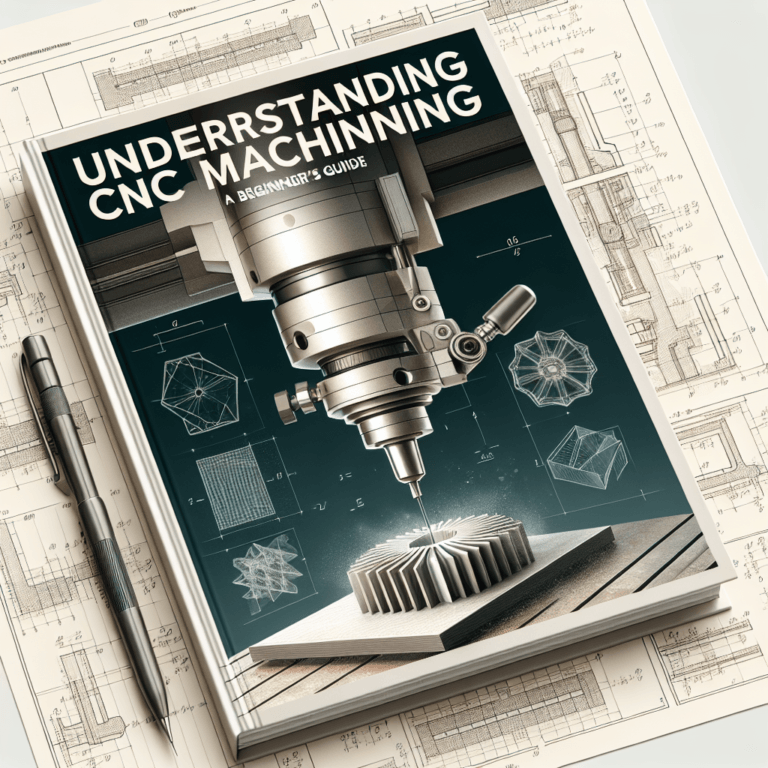
Introduction to CNC machining
CNC (Computer Numerical Control) machining is revolutionizing the manufacturing and engineering world by delivering precision, repeatability and efficiency that traditional machining methods cannot match. In essence, CNC machining is the automated control of machining tools through computers. With CNC machines, manufacturers can produce complex parts with incredible precision.
The core of CNC machining is its ability to convert design specifications into a format that machines can understand. This complex process enables companies in industries ranging from aerospace to automotive to manufacture specialized parts quickly and efficiently. This guide will explore the basics of CNC machining, explaining its process, advantages, limitations, and practical applications.
What is CNC machining?
Essentially, CNC machining is an automated process in which computers control various cutting tools to machine solid materials into specific shapes. Unlike traditional machines that require manual input and adjustments, CNC machines interpret digital files (often created using CAD software) to perform precise machining operations.
Key components of CNC machining
CNC controller: The brain of the CNC machine tool, the controller interprets G-code (the language of CNC) and converts it into motion.
cutting tools: These tools can be customized to the task at hand. They range from simple drill bits to complex multi-tool setups.
artifact: The material being processed can be metal, plastic, wood or composite materials.
Feeding mechanism: This component controls the movement of the workpiece or cutting tool. It can be linear, rotary or a combination, allowing for a variety of machining methods.
- software: CAD (computer-aided design) and CAM (computer-aided manufacturing) software verify and generate the required machining instructions.
CNC machining technology
The CNC machining process generally involves several key stages:
1. Design stage
In the initial phase, designers use CAD software to create detailed 3D models of components. The model serves as a blueprint for the machining process. A variety of CAD software options are available to enable complex designs not possible with standard machining.
2. CAM programming
After the design is completed, the CAD model is imported into the CAM software. This is where designers convert the 3D model into G-code, a language that CNC machines understand. The software also allows users to define tool paths, cutting speeds and other machining parameters.
3. Settings
The next step is to prepare the CNC machine for operation. Hold the workpiece in place and install the appropriate cutting tool. Careful setup is crucial as any mistakes may result in a defective product.
4. Machining operations
After everything is ready, the CNC machine tool starts the processing process according to the programming instructions. The cutting tool moves along a designated path to carve the desired shape out of the workpiece, which may involve various cutting operations such as milling, turning, drilling, etc.
5. Quality control
After processing is complete, the final product undergoes thorough quality inspections. This may include taking precise measurements using precision equipment such as calipers or a coordinate measuring machine (CMM) to ensure design specifications are adhered to.
6. Finishing work
Finally, additional processes such as polishing, coating or assembly can be applied. The finished product is then ready for use in a variety of applications or shipped to customers.
Types of CNC machining
CNC machining encompasses a variety of processes, each suitable for different applications. Here are some common types:
1. CNC milling
CNC milling uses rotating cutting tools to remove material from a workpiece. This process can create detailed features, holes, and complex geometries. 3D parts can be made from a single piece of material by moving the workpiece and cutting tool in multiple axes.
2. CNC turning
In contrast to milling, CNC turning rotates the workpiece relative to a fixed cutting tool, allowing the manufacture of cylindrical parts. This approach is critical in industries where symmetrical shapes are the standard, such as automotive and aerospace.
3. CNC plasma cutting
CNC plasma cutting is an efficient method of cutting sheet metal that uses a plasma torch to melt and remove material. This technology is particularly valuable for creating complex designs on various sheet metals such as steel or aluminum.
4. CNC laser cutting
Laser cutting uses a focused beam of light to cut materials with high precision. It is suitable for cutting complex patterns and can work on a variety of materials, including metal, plastic and wood. This approach is becoming increasingly popular in prototyping and series production.
5. CNC water jet cutting
For materials that are sensitive to high temperatures, such as composites and certain metals, CNC waterjet cutting is a great option. This technology uses high-pressure water flow mixed with abrasive particles to cut material without heating the workpiece.
Advantages of CNC machining
CNC machining offers several advantages that make it an attractive option for manufacturers:
precision and accuracy: CNC machines produce parts with extremely high precision, reducing the chance of errors and ensuring parts meet tight tolerances.
Consistency and repeatability: Once a CNC program is established, an unlimited number of identical products can be produced without fluctuations in quality, making it ideal for mass production.
complex geometric shapes: CNC machines can create complex shapes and features that would be challenging or impossible with manual machining techniques.
Reduce labor costs: Automation streamlines manufacturing processes, requiring less manual input and allowing companies to allocate labor more efficiently.
flexibility: With the new program, CNC machines can switch from one job to another with minimal setup time, allowing companies to quickly adapt to changes in production needs.
- Material diversity: CNC machines can process a variety of materials, which increases their usefulness in various industries.
Limitations of CNC machining
Although CNC machining has many advantages, it also has limitations:
High initial cost: The investment in CNC machinery, software licensing and training can be considerable, making it less feasible for small-scale operations.
learning curve: Successful operation of CNC machinery requires technical knowledge, particularly knowledge of CAD/CAM software and G-code programming.
material waste: Although CNC machining is very efficient, it can also result in a lot of material waste, especially during milling.
- Maintenance requirements: Equipment requires regular maintenance to avoid downtime, disrupting production schedules.
Common applications of CNC machining
CNC machining is widely used in various industries to produce various components. Some of the most prominent applications include:
1.Aerospace industry
In aerospace, precision is crucial. CNC machining is used to manufacture parts such as brackets, frame components and engine components to extremely tight tolerances to ensure aircraft safety and performance.
2. Automobile industry
From engine parts to body panels, CNC machining plays a vital role in the automotive sector. The possibility of customization allows manufacturers to create unique designs and features that meet specific consumer needs.
3. Medical devices
In the medical field, CNC machining creates precision parts for surgical instruments, implants and prosthetics, ensuring they meet strict health regulations and performance standards.
4. Electronic products
CNC machining is used to manufacture heat sinks, housings, and other electronic components that require precise specifications and high-quality finishes.
5. Defense
The defense industry relies on CNC machining to create specialized components for weapons, vehicles and other military technology. Precision manufacturing is critical to meeting stringent reliability standards.
Choose the right CNC machining service
Choosing CNC machining services can be a critical decision for a business. Here are some factors to consider:
1. Material compatibility
Make sure the service can handle your specific material, whether it’s metal, plastic or composite.
2. Machine capabilities
Evaluate the types of CNC machines and tooling provided by the service. The availability of advanced equipment can significantly impact the quality and efficiency of the manufacturing process.
3. Experience and expertise
Look for a provider with a proven track record in your industry. Application-specific expertise leads to better results.
4. Quality control measures
Ask about the company’s quality assurance process, including how they measure and ensure compliance with specifications.
5. Delivery time and cost
Assess their ability to meet deadlines and understand their pricing structure. The balance of quality and affordability is critical to a successful collaboration.
The future trend of CNC machining
As technology advances, CNC machining is expected to develop further. Some emerging trends include:
1. Improve automation
Industry leaders are exploring further automation opportunities, using robotics in conjunction with CNC machinery to increase productivity while reducing labor costs.
2. The rise of additive manufacturing
The integration of additive manufacturing technologies such as 3D printing with CNC machining can optimize production methods and provide further customization options.
3. IoT integration
The Industrial Internet of Things (IIoT) will revolutionize CNC machining, increasing connectivity and enabling real-time data analysis to improve decision-making and efficiency.
4.Advanced materials
Continued advances in materials science will expand the range of materials that can be processed, providing opportunities for product design innovation.
5. Sustainable Development Efforts
CNC manufacturers are increasingly focused on reducing waste and energy consumption while exploring the use of environmentally friendly materials and processes.
in conclusion
CNC machining is at the forefront of manufacturing and engineering innovation, delivering unparalleled precision, efficiency and versatility. By understanding the complexities of this change process, companies can leverage its capabilities to enhance their products and operations. As technology continues to evolve, we can expect CNC machining to become increasingly complex, opening the door to new applications and possibilities.
Investing in CNC machining technology not only improves production capabilities, but also puts companies at the forefront of the industry. Whether you are producing high volumes or crafting custom parts, CNC machining is a path to success that drives growth, innovation and quality in a highly competitive environment.
FAQ section
1. What materials can be used for CNC machining?
CNC machining can process a variety of materials, including metals (aluminum, steel, titanium), plastics (ABS, acetal), wood, and composites, providing flexibility in different applications.
2. What types of industries use CNC machining?
CNC machining is used in many industries, including aerospace, automotive, medical, electronics, and defense. Its use extends to any field requiring precision parts manufacturing.
3. How does CNC machining compare with traditional machining?
CNC machining provides superior accuracy, consistency and efficiency compared to traditional manual machining methods, which are often more labor-intensive and prone to human error.
4. What is the G code in CNC machining?
G-code is the standard programming language used to control CNC machine tools. It consists of commands that direct machine motion and operation based on specified tool paths.
5. What is the typical lead time for CNC machining projects?
Delivery time depends on a variety of factors, including design complexity, material availability, and order volume. Typically, projects can last anywhere from a few days to a few weeks.
6. How to minimize material waste in CNC machining?
Using CNC software to optimize tool paths and select efficient machining strategies can significantly reduce material waste. Additionally, careful planning and selection of the right cutting tools can help increase efficiency.
7. What should I look for in a CNC machining partner?
When looking for a CNC machining service provider, you should consider their industry experience, machine capabilities, quality assurance processes, delivery times, and pricing structure.
Daguang focuses on providing solutions such as precision CNC machining services (3-axis, 4-axis, 5-axis machining), CNC milling, 3D printing and rapid prototyping services.



















