
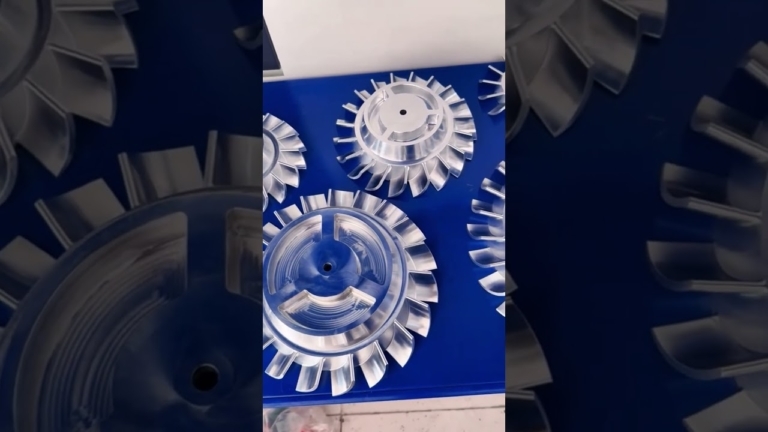
The Art and Precision of CNC Machining Turntable Parts
In the world of audio equipment, the turntable stands as a cornerstone, celebrated for its analog warmth and unparalleled sound quality. As audiophiles and casual listeners alike seek to elevate their listening experience, the demand for high-quality turntable components has surged. This is where CNC machining comes into play, bringing precision and efficiency to the production of turntable parts. In this article, we’ll explore the significance of CNC machining in creating turntable components, delve into the process, and highlight the benefits that CNC brings to the manufacturing landscape.
What is CNC Machining?
CNC (Computer Numerical Control) machining is a manufacturing process that utilizes computerized controls to operate and manipulate machinery. This technology includes various types of tools, such as lathes, mills, routers, and grinders, to accurately fabricate parts from various materials, including metals, plastics, and composites.
With CNC machining, designs are created using Computer-Aided Design (CAD) software and then transformed into precise components through a process that involves cutting, drilling, milling, and other machining operations. This method not only increases the precision of the parts produced but also improves production efficiency.
Why CNC Machining is Ideal for Turntable Parts
Turntable components require a level of precision that is crucial for optimal performance. Elements such as platters, tonearms, and motor mounts must be crafted with meticulous attention to detail to ensure sound accuracy and functionality. Here are several reasons why CNC machining is ideal for manufacturing turntable parts:
1. Precision and Accuracy
CNC machines can achieve tolerances of just a few microns. This precision is essential when manufacturing parts that must align perfectly with each other. For instance, a slight misalignment in a tonearm can lead to uneven tracking, resulting in distorted sound playback. CNC machining allows engineers to maintain strict tolerances, ensuring every component fits together seamlessly.
2. Complex Geometries
Modern turntables often feature intricate designs and complex geometries that would be difficult, if not impossible, to achieve through traditional machining methods. CNC machining can create complex curves and shapes with ease, allowing for the production of unique and aesthetically pleasing designs that enhance the overall auditory experience.
3. Automation and Efficiency
The automated nature of CNC machining reduces the time it takes to produce parts compared to manual methods. Once a design is input into the machine, it can operate continuously without the need for constant human intervention. This efficiency is a huge advantage for manufacturers looking to scale production while minimizing costs.
4. Material Versatility
CNC machining excels in working with a wide range of materials, from metals like aluminum and brass to plastics such as acrylic and polycarbonate. Each material provides distinct acoustic characteristics, and CNC machining allows fabricators to utilize the best materials for each turntable component based on their desired sound profile.
5. Consistency and Reproducibility
In the world of audiophile-grade equipment, consistency is key. CNC machining offers exact repeatability, making it easy to produce large batches of the same component without variance in quality or specifications. This consistency is vital for manufacturers looking to build a brand synonymous with quality.
The CNC Machining Process for Turntable Parts
Creating turntable components through CNC machining involves several steps, each of which contributes to the final product’s quality:
Step 1: Design and Prototyping
The journey begins with a design phase where engineers use CAD software to create detailed models of the turntable parts. During this stage, they may also develop prototypes using rapid prototyping methods to test and validate designs before full-scale production.
Step 2: Material Selection
Choosing the right material is critical. Depending on the part being produced, manufacturers consider properties like weight, resonance, and durability. For components like platters, denser materials may be preferred to reduce vibration, while lightweight plastics might be chosen for internal parts.
Step 3: Programming the CNC Machine
Once the design and material are finalized, programmers create a set of instructions (G-code) that dictate how the CNC machine will operate. This programming defines everything from movement paths to cutting speeds, ensuring the machine executes the design with precision.
Step 4: Machining
During this phase, the CNC machine accurately cuts, drills, and shapes the material based on the programmed instructions. The operator monitors the process to intervene if necessary, ensuring that everything runs smoothly.
Step 5: Finishing Processes
After the machining is completed, parts often undergo finishing processes. This may include sanding, polishing, or coating to achieve the desired surface finish that enhances both aesthetics and performance.
Step 6: Quality Control
Quality assurance is crucial in the manufacturing of turntable parts. Each component is inspected to verify it meet the specified tolerances and standards. This might involve tolerance checks using specialized measuring tools and even acoustic testing for specific parts.
Step 7: Assembly and Testing
Finally, the machined parts are assembled into the turntable. The complete unit is tested to ensure that it meets performance benchmarks, with particular attention to sound quality, vibration, and ease of servicing.
Advantages of CNC Machining for Turntable Parts
Streamlined Production Times
CNC machining dramatically reduces the time necessary for production. With the capability of running multiple machines simultaneously, manufacturers can fulfill large orders efficiently without sacrificing quality.
Cost-Effective Manufacturing
Although the initial investment in CNC machines can be significant, the long-term savings are appealing. Reduced labor costs, minimized material waste, and high production efficiency contribute to lower overall costs for manufacturers.
Innovation and Customization
CNC machining facilitates innovation in turntable design. Customizable components allow brands to differentiate themselves in the marketplace, leading to unique products that cater to niche audiophile needs.
Sustainability
Many CNC machining operations are moving towards sustainable practices. By optimizing material use and reducing waste, manufacturers can create turntable parts with a lower environmental impact, appealing to eco-conscious consumers.
Conclusion
CNC machining has become an indispensable ally in the crafting of high-quality turntable components. Precision, efficiency, and the ability to create complex geometries position this technology at the forefront of modern audio equipment manufacturing. As the demand for exceptional sound continues to grow, so too will the role of CNC machining in producing the very best turntables. The marriage of technology and craftsmanship not only enhances the auditory experience but also sets a standard for quality that audiophiles can trust.
In a market teeming with options, it is the precision of CNC machining that makes the difference between average and exceptional turntable parts. By embracing this technology, manufacturers not only meet the rising expectations of music lovers but also pave the way for innovation in the audio industry. As we continue to explore the possibilities of CNC machining, the future of turntables looks promising, ensuring that the rich tradition of vinyl will continue to resonate with generations to come.
Daguang focuses on providing solutions such as precision CNC machining services (3-axis, 4-axis, 5-axis machining), CNC milling, 3D printing and rapid prototyping services.



















