
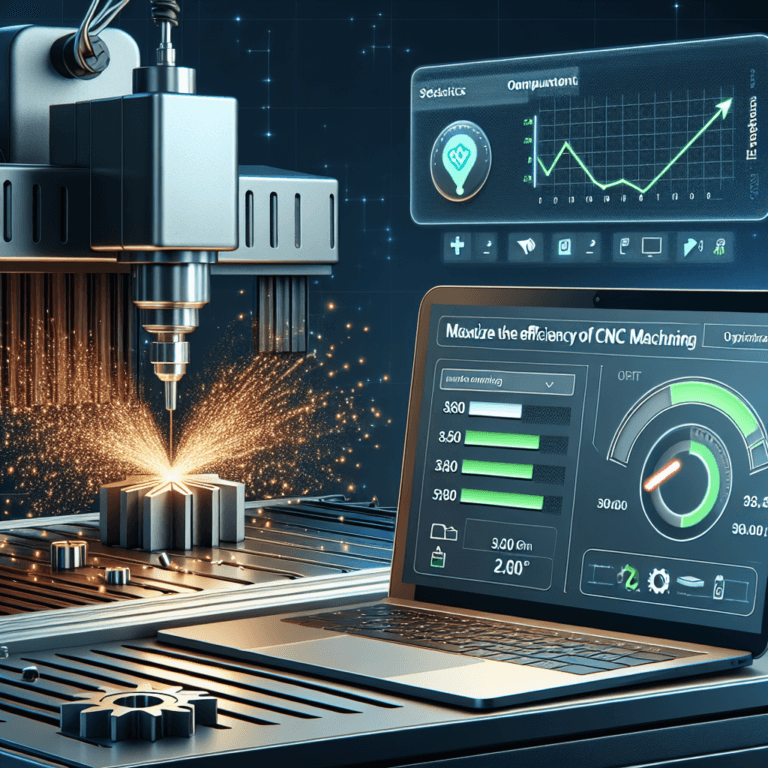
CNC (computer numerical control) machining technology has revolutionized manufacturing, enabling high precision and repeatability in the production of complex parts. In an era where customization and low-volume production are increasingly popular, optimizing the efficiency of CNC machining processes is crucial. This comprehensive guide will delve into innovative strategies, tips and techniques for maximizing efficiency in low-volume CNC machining.
Learn about low-volume CNC machining
What is low-volume CNC machining?
Low-volume CNC machining refers to the production of a limited number of parts, usually ranging from one to several hundred. This type of manufacturing is often used by startups, research institutions, and businesses that want to produce unique or customized parts without the overhead of mass production.
Advantages of small batch CNC machining
- Customized: Manufacturers can customize components according to customers’ specific requirements.
- flexibility: Quick adjustments can be made in design and production without the risk of large sunk costs.
- Reduce inventory costs: Reduce the need for large inventories and associated costs.
- Faster prototyping: Efficiently transition from design to prototype to get to market quickly.
Key considerations for maximizing CNC machining efficiency
1. Material selection
The choice of materials profoundly affects the efficiency of CNC machining. Commonly used materials include metals (such as aluminum and steel), plastics (such as ABS and PVC), and composites. When selecting materials, consider factors such as workability, cost, and part functionality.
machinability index
Utilizing the machinability index can help determine how efficiently a material can be cut. For example, aluminum is more machinable than quenched steel and therefore can be machined faster.
2. Tool Strategy
The right tooling is critical to ensuring the efficiency of low-volume CNC machining.
Tool type selection
- Carbide cutting tools: Ideal for high-speed machining due to durability.
- coating tools: Provides higher wear resistance, thereby extending tool life.
Tool path optimization
Implementing advanced CAM (computer-aided manufacturing) software helps optimize tool paths. Technologies like adaptive cleaning can reduce machining time by optimizing tool engagement and minimizing air cutting.
3. Machine calibration and maintenance
Regular calibration of CNC machine tools is essential to maintain accuracy and reduce downtime.
routine inspection
Implementing regular maintenance and inspections, including alignment, tool wear assessment and lubrication, ensures smooth machine operation. A proactive maintenance approach reduces machine repairs and production interruptions.
4. Workpiece fixture solutions
Effective workholding strategies enhance part stability and optimize machining efficiency.
Explore different technologies
- bad habits: Standard, but may restrict access to functionality.
- Jigs and fixtures: Custom settings increase repeatability and reduce setup time.
- Vacuum system: Ideal for lightweight components that ensure a secure fit without the need for additional fixings.
5. Lean manufacturing principles
Integrating lean manufacturing principles can significantly reduce waste and increase efficiency.
value stream map
Analyze production steps and identify non-value-added operations. Eliminate unnecessary processes while enhancing those that provide value, whether through direct production or secondary operations such as quality inspection.
6. Automation and CNC software
Incorporating automation technology can speed up the CNC machining process.
Use of robotics
Robots can be integrated into machining workflows to load/unload parts, allowing CNC operators to complete more critical tasks.
Advanced CNC software
Employing software solutions that combine artificial intelligence and machine learning can optimize feed rates, cutting speeds, and even coolant delivery based on the specific characteristics of the job being run.
Technology that improves efficiency
A. Cycle time reduction strategies
Shortening cycle times is critical to maximizing output.
- Concurrent operations: Plan overlapping processing flows whenever possible.
- Part family grouping: Machining similar parts sequentially to minimize tool changes.
- Quick change tools: Reduce tool change time with a fast and efficient tool system.
B. Process Validation and Testing
Regularly validate production processes to ensure efficiency is maintained.
Test and Measurement
Utilize performance metrics like OEE (Overall Equipment Effectiveness) to measure the full potential of machine output. Conduct regular testing to verify that processes are optimized before scaling up production.
C. Employee training and skills development
Investing in labor can improve shop floor efficiency.
continuing education
Train employees on the latest CNC technology and methods. Knowledgeable operators can adapt to changes, solve problems and improve overall shop floor efficiency.
Modern technology improves CNC machining efficiency
1. Additive Manufacturing
The combination of additive and subtractive manufacturing can significantly reduce processing time and material waste.
2. Internet of Things and Intelligent Manufacturing
Implementing IoT sensors can monitor machines in real-time, enabling predictive maintenance and providing insights into production bottlenecks.
3. Digital twin
Creating digital replicas of machining processes can be simulated and analyzed, allowing manufacturers to determine optimal operating strategies without affecting actual production.
Challenges and Solutions for Small-Batch CNC Machining
1. Initial Setup Cost
Low-volume production often faces the challenge of high initial costs.
Solution: Shared Facilities
Utilizing shared or co-working manufacturing spaces can dilute costs across multiple users, easing the burden of upfront investment.
2. Scale limitations
While low-volume production is flexible, scaling up production to meet high demand can pose challenges.
Solution: Design for scalability
Products are designed with scalability in mind, using modular components to easily increase volumes without extensive redesign.
3. Quality assurance
Achieving quality consistently in small batches can be challenging due to frequent changes in production settings.
Solution: Implement ISO standards
Adopting ISO standards that provide guidance for quality management systems ensures consistency regardless of the scale of production.
in conclusion
Maximizing the efficiency of low-volume CNC machining is a dynamic process that requires a multifaceted approach that combines advanced tooling, strategic planning and continuous optimization. As the industry demands more flexibility, speed and customization, manufacturers equipped with innovative technologies and methods will outperform their competitors.
Investing in advanced software, adopting lean principles, optimizing materials, and focusing on employee skills can significantly improve production efficiency, ultimately improving product quality, reducing costs, and shortening time to market. By remaining adaptable and resilient in the face of changing industry demands, manufacturers can meet the challenges posed by low-volume CNC machining and capitalize on its tremendous potential.
Frequently Asked Questions (FAQ)
Q1: What are the main benefits of small batch CNC machining?
A1: The primary benefit of low-volume CNC machining is the ability to quickly produce custom parts, resulting in shorter lead times and lower costs compared to large-scale manufacturing.
Q2: How to choose suitable CNC processing materials?
A2: When selecting a material, consider factors such as intended application, processability, cost and required mechanical properties. Aluminum and plastic are often chosen for fast machining, while steel is valued for its strength.
Q3: What tool is most suitable for small batch CNC machining?
A3: Carbide and coated cutting tools are preferred for their longevity and performance. Tool path optimization significantly affects production speed and should be performed using advanced CAM software.
Q4: How to ensure quality control of small batch CNC machining?
A4: Implementing ISO standards and utilizing real-time monitoring systems helps maintain consistency in production quality. Regular testing before scaling up ensures the process is validated.
Q5: What role does automation play in CNC machining?
A5: Automation improves efficiency by reducing physical labor in operations such as loading and unloading, shortening cycle times and increasing overall productivity.
Q6: Are there any disadvantages to small batch CNC machining?
A6: Potential disadvantages include higher unit costs and the challenge of maintaining quality during frequent setup changes. However, with good planning and process validation, these issues can often be mitigated.
This informative guide delves into how to maximize the efficiency of low-volume CNC machining. With advancements continuing, now is an exciting time to embrace the potential of CNC technology for custom and custom manufacturing solutions.
Daguang focuses on providing solutions such as precision CNC machining services (3-axis, 4-axis, 5-axis machining), CNC milling, 3D printing and rapid prototyping services.



















