
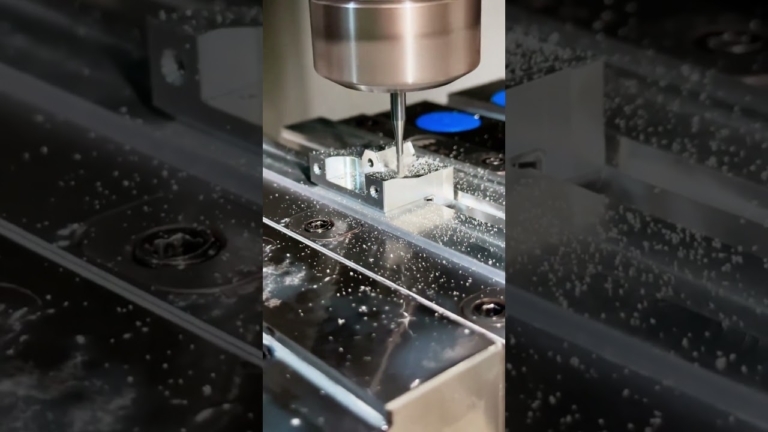
The Significance of CNC Machining of Aluminum Alloy for 3C Electronic Parts in the Automobile Industry
The 3C (Computer, Communication, and Consumer Electronics) industry has been rapidly growing, with a significant demand for high-quality electronic components. One such material that has gained popularity in the production of these components is aluminum alloy. CNC machining of aluminum alloy has become an essential process in the manufacturing of 3C electronic parts, particularly in the automobile industry. In this article, we will explore the benefits and characteristics of CNC machining of aluminum alloy for 3C electronic parts and its significance in the automobile industry.
Characteristics of CNC Machining of Aluminum Alloy
CNC machining of aluminum alloy is a precise and repeatable process that offers numerous benefits, including increased accuracy, surface finish, and speed. When it comes to 3C electronic parts, CNC machining is particularly advantageous due to its ability to produce complex shapes and geometries. Aluminum alloys, such as 6061 and 7075, are commonly used in the production of 3C electronic parts, including antennas, heat sinks, and structural components. CNC machining of aluminum alloy can produce parts with tight tolerances, high surface finish, and excellent corrosion resistance.
Benefits of CNC Machining of Aluminum Alloy in 3C Electronic Parts
- Improved Accuracy and Precision: CNC machining of aluminum alloy enables the production of complex shapes and geometries with high accuracy and precision. This is particularly crucial in 3C electronic parts, where precise tolerances are required to ensure proper function.
- Increased Speed and Production Efficiency: CNC machining reduces production time and increases efficiency, enabling manufacturers to meet the high demand for 3C electronic parts.
- Surface Finish and Corrosion Resistance: CNC machining can produce parts with a high surface finish, which is essential in 3C electronic parts to prevent electromagnetic interference and ensure proper function.
- Cost Savings: CNC machining reduces material waste, minimizes tool changes, and increases tool longevity, resulting in cost savings for manufacturers.
- Customization and Flexibility: CNC machining allows for customization and flexibility in part design, enabling manufacturers to produce complex and unique shapes and geometries.
Challenges and Solutions in CNC Machining of Aluminum Alloy for 3C Electronic Parts
- Heat Treatment and Annealing: Aluminum alloys require heat treatment and annealing to achieve the desired mechanical properties. CNC machining of aluminum alloy must consider these processes to ensure proper part function.
- Material Selection: Selecting the right aluminum alloy is crucial, as different alloys have varying properties. Manufacturers must carefully select the suitable alloy for their specific application.
- Machining Strategy: CNC machining strategy is critical in producing parts with the required surface finish and accuracy. Manufacturers must carefully plan their machining strategy to ensure optimal results.
- Post-Machining Treatment: Post-machining treatment, such as grinding and polishing, may be required to achieve the desired surface finish.
- Quality Control and Testing: Manufacturers must implement quality control measures, including testing and inspection, to ensure parts meet the required standards.
Best Practices for CNC Machining of Aluminum Alloy for 3C Electronic Parts
- Tool Selection: Selecting the right cutting tool is essential, as it affects the part’s surface finish and accuracy. manufacturers must choose the appropriate tool for the specific aluminum alloy and machining operation.
- Machining Parameters: Manufacturers must set optimal machining parameters, including spindle speed, feed rate, and depth of cut, to ensure proper part production.
- Coolant Application: Proper coolant application is critical to prevent overheating and achieve the desired surface finish.
- Machining Cadences: Manufacturers should use cadences to avoid vibration and reduce part distortion.
- Material Properties and Selection: Manufacturers must carefully select the appropriate aluminum alloy based on the part’s required properties and function.
Conclusion
CNC machining of aluminum alloy is a critical process in the production of 3C electronic parts, particularly in the automobile industry. The benefits of CNC machining, including improved accuracy, speed, and surface finish, make it an essential process in the production of high-quality electronic components. By understanding the challenges and solutions in CNC machining of aluminum alloy, manufacturers can optimize their processes and produce parts that meet the required standards. By following best practices and adhering to quality control measures, manufacturers can ensure the production of high-quality 3C electronic parts that meet the demands of the modern automotive industry.
In today’s rapidly evolving technological landscape, the demand for 3C electronic parts is greater than ever. With the adoption of CNC machining of aluminum alloy, manufacturers can increase their productivity, reduce costs, and produce high-quality parts that meet the required standards. As the 3C industry continues to grow, the significance of CNC machining of aluminum alloy will only continue to increase, enabling manufacturers to produce high-quality parts that exceed customer expectations.
Daguang focuses on providing solutions such as precision CNC machining services (3-axis, 4-axis, 5-axis machining), CNC milling, 3D printing and rapid prototyping services.



















