
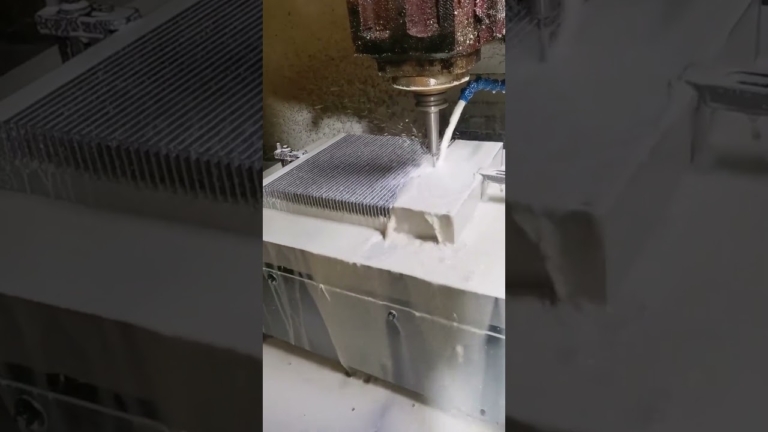
The Evolution of Radiator CNC Machining and Its Role in the Automotive Industry
The radiator is a crucial component in an automobile, responsible for maintaining the optimal operating temperature of an engine. Over the years, the design and manufacturing process of radiators have undergone significant transformations, with the integration of Computer Numerical Control (CNC) machining playing a vital role in producing high-quality radiators. In this article, we will explore the evolution of radiator CNC machining, its advantages, and its impact on the automotive industry.
The Early Days of Radiator Manufacturing
Historically, radiators were manufactured using traditional methods, such as casting and fabrication. These methods were labor-intensive, prone to errors, and led to inconsistencies in the final product. The process involved creating molds, pouring molten metal, and then assembling the various components. While effective in the early days, these traditional methods could not keep pace with the growing demand for high-quality radiators.
The Advent of CNC Machining
The introduction of CNC machining revolutionized the radiator manufacturing process. CNC machines enabled precise control over the cutting process, allowing for higher accuracy, faster production rates, and reduced labor costs. This technology allowed manufacturers to produce complex shapes with high precision, leading to improved performance and durability of radiators.
Benefits of CNC Machining in Radiator Production
CNC machining in radiator production offers numerous benefits, including:
- Increased Precision: CNC machines can produce complex shapes and patterns with high accuracy, ensuring precise fitment and optimal airflow.
- Faster Production: CNC machining reduces the production time, enabling manufacturers to meet growing demand and increasing their market share.
- Cost Savings: By minimizing labor costs and reducing material waste, CNC machining helps manufacturers save on production expenses.
- Improved Quality: CNC machining ensures consistency and accuracy, resulting in higher-quality products that meet the required standards.
Challenges Faced by Radiator Manufacturers
Despite the benefits of CNC machining, radiator manufacturers still face several challenges, including:
- Design Complexity: Modern radiators require complex designs to optimize airflow and heat dissipation. Design complexity can be a significant challenge, especially when working with CNC machines.
- Material Properties: Radiators are typically made from various materials, such as copper, aluminum, or steel, each with unique properties. Ensuring the correct material selection and handling is crucial.
- Tooling and Fixturing: Setting up tooling and fixturing for CNC machining can be intricate, requiring careful planning and precision.
- Continuous Improvement: Staying up-to-date with the latest advancements in CNC technology and tooling requires significant investment and resource allocation.
The Future of Radiator CNC Machining
The future of radiator CNC machining holds much promise, with several trends and technologies likely to shape the industry:
- Additive Manufacturing: The integration of additive manufacturing techniques, such as 3D printing, will enable the production of complex designs with reduced material usage and weight.
- High-Speed Machining: Advancements in high-speed machining will continue to improve production rates, enabling manufacturers to keep pace with growing demand.
- Data Analytics: The use of data analytics will become increasingly important in radiator design and production, enabling manufacturers to optimize designs for improved performance and efficiency.
- Collaboration and Knowledge Sharing: Industry experts and academics will need to collaborate and share knowledge to address the challenges and capitalize on the opportunities presented by CNC machining.
Conclusion
The evolution of radiator CNC machining has transformed the production process, enabling the creation of high-quality products with improved precision, speed, and cost savings. As the industry continues to evolve, manufacturers must stay at the forefront of innovation, embracing advancements in technology, material science, and data analysis to maintain their competitive edge. By understanding the benefits, challenges, and future trends in radiator CNC machining, manufacturers can ensure the production of high-quality radiators that meet the demands of the automotive industry.
Daguang focuses on providing solutions such as precision CNC machining services (3-axis, 4-axis, 5-axis machining), CNC milling, 3D printing and rapid prototyping services.



















