
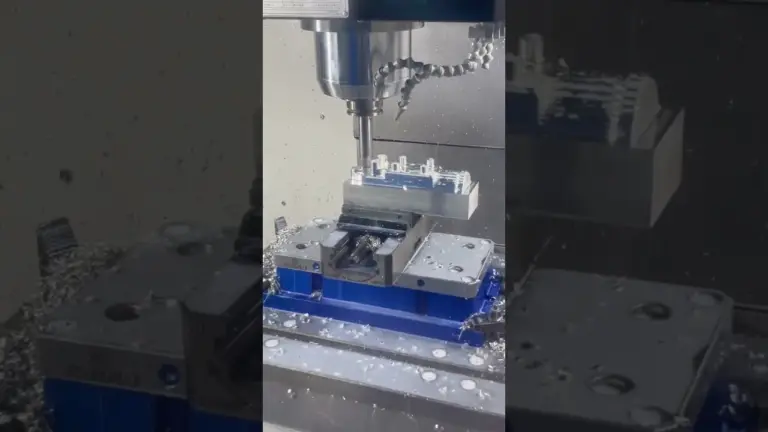
The World of CNC Machining: A Comprehensive Guide to the Cutting-Edge Technology
The manufacturing industry has undergone a significant transformation in recent years, thanks to the advent of modern technologies such as Computer Numerical Control (CNC) machining. This innovative approach has revolutionized the way products are designed, manufactured, and delivered to the market. In this article, we will delve into the world of CNC machining, exploring its benefits, applications, and the latest trends in the industry.
The Fundamentals of CNC Machining
CNC machining is a subtractive manufacturing process that involves the use of computer-controlled machines to remove material from a workpiece to create the desired shape or design. This process is executed with high precision and accuracy, allowing for the production of complex parts with tight tolerances. The process involves the following steps:
- Programming: The first step in CNC machining is to create a program, or G-code, that outlines the sequence of movements and actions required to produce the desired part.
- Setup: The workpiece is then installed on the CNC machine, which is calibrated to ensure accurate positioning and orientation.
- Machining: The CNC machine reads the G-code program and executes the machining process, removing material from the workpiece to create the desired shape.
- Inspection: The final step involves inspecting the part to ensure it meets the required specifications and tolerances.
Benefits of CNC Machining
CNC machining offers several benefits over traditional manufacturing methods, including:
- Precision and Accuracy: CNC machines are capable of producing parts with tight tolerances, making them an ideal choice for applications that require high accuracy.
- Flexibility: CNC machines can be programmed to produce a wide range of parts, from simple to complex, with minimal setup time.
- Rapid Production: CNC machines can operate 24/7, enabling rapid production and quick turnaround times.
- Reduced Labor Costs: CNC machines eliminate the need for manual labor, reducing costs and increasing efficiency.
- Improved Quality: CNC machines are equipped with sensors and cameras, allowing for real-time monitoring and feedback, which ensures optimal quality and minimal defects.
Applications of CNC Machining
CNC machining is used in a wide range of industries, including:
- Aerospace: CNC machining is used to produce complex aircraft components, such as engine parts, wings, and fuselage.
- Automotive: CNC machining is used to produce engine parts, transmissions, and other components.
- Medical: CNC machining is used to produce medical implants, surgical instruments, and other medical device components.
- Consumer Goods: CNC machining is used to produce a variety of products, including watches, jewelry, and sporting goods.
- Energy: CNC machining is used to produce components for the oil and gas industry, including drills, pumps, and valves.
Trends in CNC Machining
The CNC machining industry is constantly evolving, with several trends that are driving growth and innovation, including:
- Additive Manufacturing: The use of 3D printing and additive manufacturing techniques is becoming increasingly popular in CNC machining.
- Artificial Intelligence (AI): AI is being used to optimize CNC machining processes, improving efficiency and reducing production times.
- Internet of Things (IoT): IoT technology is being integrated into CNC machines, enabling real-time monitoring and feedback.
- Robotics: CNC machines are being equipped with robotic arms and manipulators, increasing flexibility and productivity.
- Nanotechnology: The use of nanotechnology is becoming more prevalent in CNC machining, enabling the production of components with nanoscale features.
Challenges and Limitations
Despite its many benefits, CNC machining is not without its challenges and limitations, including:
- Cost: High-performance CNC machines require a significant upfront investment.
- Complexity: CNC machining requires a high level of programming and operational expertise.
- Tooling: CNC machines require specialized tooling and equipment, which can be expensive.
- Reliability: CNC machines are prone to mechanical failures and downtime, which can impact production.
- Scalability: Large-scale CNC production can be limited by the availability of high-quality materials and skilled labor.
Conclusion
CNC machining has revolutionized the manufacturing industry, offering unparalleled precision, accuracy, and productivity. As the industry continues to evolve, it is essential to stay up-to-date with the latest trends, technologies, and best practices. By understanding the benefits, applications, and limitations of CNC machining, manufacturers can optimize their production processes, improve efficiency, and enhance product quality. Whether you’re a seasoned professional or newcomer to the industry, understanding the world of CNC machining is crucial for success in today’s fast-paced manufacturing landscape.
Daguang focuses on providing solutions such as precision CNC machining services (3-axis, 4-axis, 5-axis machining), CNC milling, 3D printing and rapid prototyping services.



















