
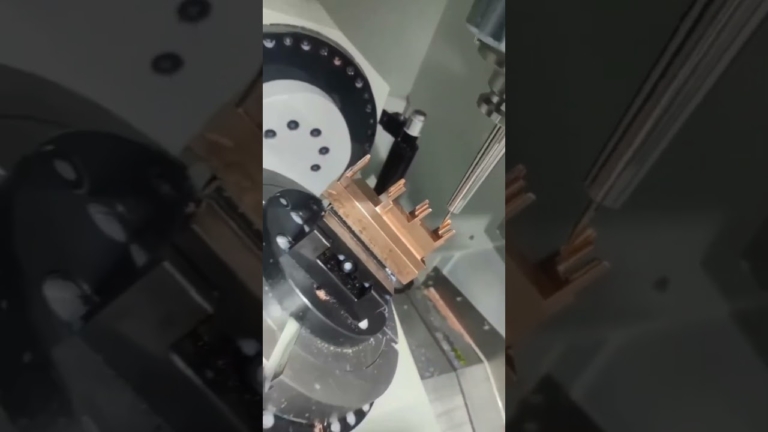
Machining Brass Parts: The Ideal Choice for Industrial Manufacturing
Brass, a copper-zinc alloy, has been a staple in industrial manufacturing for its exceptional properties and versatility. Its unique combination of mechanical, electrical, and thermal properties makes it an ideal material for a wide range of applications. In this article, we’ll delve into the 7 key advantages of machining brass parts, exploring why it’s the go-to choice for many industrial manufacturers.
## Superior Mechanical Properties
One of the primary advantages of brass is its ease of machining. With its low initial hardness, brass can be easily machined to produce high-precision parts with minimal tool wear. This, in turn, improves machining efficiency and reduces overall production costs. Additionally, brass’s high ductility and low fatigue resistance ensure that it can withstand the rigors of continuous use without compromising its integrity. Whether producing complex components or high-volume batches, brass’s mechanical properties make it an ideal choice for part machining.
### Excellent Corrosion Resistance
Brass’s resistance to corrosion is another significant benefit, particularly when used in environments with high humidity or marine exposure. Its natural patina proves effective in protecting the material from erosion, making it an excellent choice for applications in harsh conditions. This advantage is particularly significant in industries where exposure to moisture or saline is unavoidable, such as in marine or coastal applications.
### Electrical and Thermal Conductivity
Brass excels in both electrical and thermal conductive applications, making it a popular choice for electrical components and heat exchangers. Its electrical conductivity is due to the high mobility of electrons within the alloy, while its thermal conductivity is attributed to the efficient transfer of heat energy. This unique combination of properties has numerous industrial applications, from electrical sensors to radiators, heat exchangers, and more.
### Natural Antimicrobial Properties
Brass has been shown to possess natural antimicrobial properties, making it an excellent material for medical instruments and food processing equipment. The metal’s inherent ability to inhibit the growth of microorganisms significantly reduces the risk of contamination and infection, ensuring a safer environment for patients and practitioners. In the food industry, this property is crucial for maintaining cleanliness and hygiene, thus guaranteeing a safe and healthy food supply chain.
### Aesthetic Appearance
Brass’s golden-yellow luster is unparalleled, making it an excellent choice for decorative parts and high-end instruments. Its attractive appearance is not only visually pleasing but also contributes to the overall brand reputation, perceived quality, and customer satisfaction. In industries such as luxury goods, architecture, or musical instruments, brass’s aesthetic appeal is a major selling point.
### Cost-Effective and Eco-Friendly
Brass is not only an excellent performer but also cost-effective and recyclable, contributing to environmental sustainability. With a high scrap value and recyclability rate, brass minimizes waste and reduces the need for primary material extraction. Furthermore, its lower production costs when compared to other high-end alloys make it an attractive option for industries on a budget. However, its eco-friendliness remains a significant aspect, as it reduces carbon footprint and supports the circular economy.
### Conclusion
In conclusion, machining brass parts offers a winning combination of mechanical, electrical, thermal, and aesthetic properties, making it an ideal choice for many industrial applications. From its ease of machining to its antimicrobial properties, corrosion resistance, and eco-friendliness, brass is the perfect material for a wide range of industries. By incorporating brass into your production lineup, you can enjoy improved performance, reduced costs, and enhanced environmental sustainability. Whether producing high-precision parts or high-volume batches, brass is an excellent choice for part machining, ensuring a competitive edge in the global market.
Daguang focuses on providing solutions such as precision CNC machining services (3-axis, 4-axis, 5-axis machining), CNC milling, 3D printing and rapid prototyping services.



















