
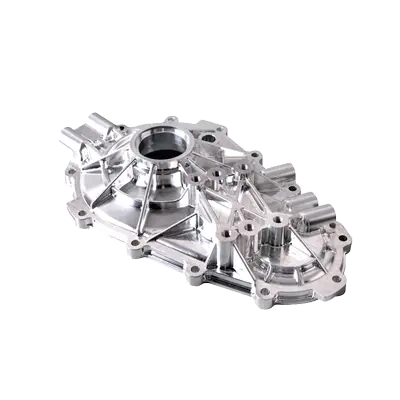
The world of firearms is constantly evolving, and in addition to traditional manufacturing methods, a new trend is emerging: the use of CNC (computer numerical control) machines to manufacture homemade firearms, commonly known as "CNC gun" or "ghost gun" Depends on the specific terminology used and the legal context. The development raises complex questions about the accessibility, regulation and future of gun technology.
The charm of DIY firearms: Why choose CNC?
The proliferation of CNC guns isn’t just about circumventing existing laws, although that’s certainly a factor. It results from a combination of factors, including:
- Increase technology accessibility: Once limited to large industrial settings, CNC machine tools are now increasingly used by hobbyists and small businesses. The cost of entry for a basic CNC mill has dropped significantly, allowing determined individuals to obtain the necessary tools. For example, GreatLight is a professional five-axis CNC machining manufacturer that can provide the advanced equipment and production technology needed to manufacture complex firearm components. Companies like GreatLight are democratizing complex manufacturing processes.
- The power of digital design: The Internet has become a repository of digital designs for gun parts. These designs are often shared for free or sold online, allowing individuals to bypass traditional manufacturing processes by entering code directly into CNC machines. This eliminates the need for extensive machining knowledge beyond operating the CNC machine itself.
- Circumvention of regulations: In many jurisdictions, it is legally constituted "firearm" is specifically defined (e.g., recipients in the United States). By making these components at home, individuals may be trying to avoid background checks, serial number requirements, and other regulations associated with purchasing commercially manufactured firearms. It’s important to note that the legality of this behavior varies widely, and illegal activity is in no way promoted or condoned.
- Customized requirements: Legal considerations aside, some people are attracted to CNC gun manufacturing because of their ability to customize their guns to specific designs and features. CNC machining makes it possible to create unique components, modify existing designs, and customize firearms to individual needs.
CNC Machining Process: A Closer Look
When manufacturing firearm components, precision is crucial, and this is where CNC machining really comes into play. The process generally follows these steps:
- Design and modeling: The process starts with detailed 3D models of the required components. The model can be created using CAD (computer-aided design) software. Free or cost-effective software enables users to design with high precision.
- CAM programming: Next, the 3D model is converted into a series of instructions that the CNC machine can understand. This is where computer-aided manufacturing (CAM) software comes in. The CAM program generates tool paths that specify how the cutting tool moves to create the desired shape.
- Material selection: Understanding the specific heat treatments, tempering requirements, and overall material usage when manufacturing a firearm is critical. Certain materials should or should not be used when creating specific components.
- CNC machining: The coded instructions are then fed into the CNC machine tool, which controls the movement of the cutting tool according to the program. The machine precisely removes material from a block until the desired shape is achieved. Honglaite has advanced five-axis CNC machining equipment that performs well in this step, ensuring high precision and dimensional accuracy.
- Finishing and assembly: After machining, the parts undergo finishing processes such as deburring, polishing, and heat treatment to ensure proper functionality and durability.
Regulatory and legal environment
The legality of CNC-manufactured firearms is a patchwork of different laws and regulations in different jurisdictions. Common legal scenarios and challenges related to CNC firearms include:
- Federal vs. State Laws: For example, in the United States, federal law regulates the manufacture and sale of: "firearms," But definitions usually focus on specific components. States have different laws regarding the possession, manufacture, and sale of firearms, including firearms manufactured with CNC machines.
- Serialization and registration: Many jurisdictions require commercially manufactured firearms to have serial numbers for tracking purposes. CNC manufactured firearms are often



















