
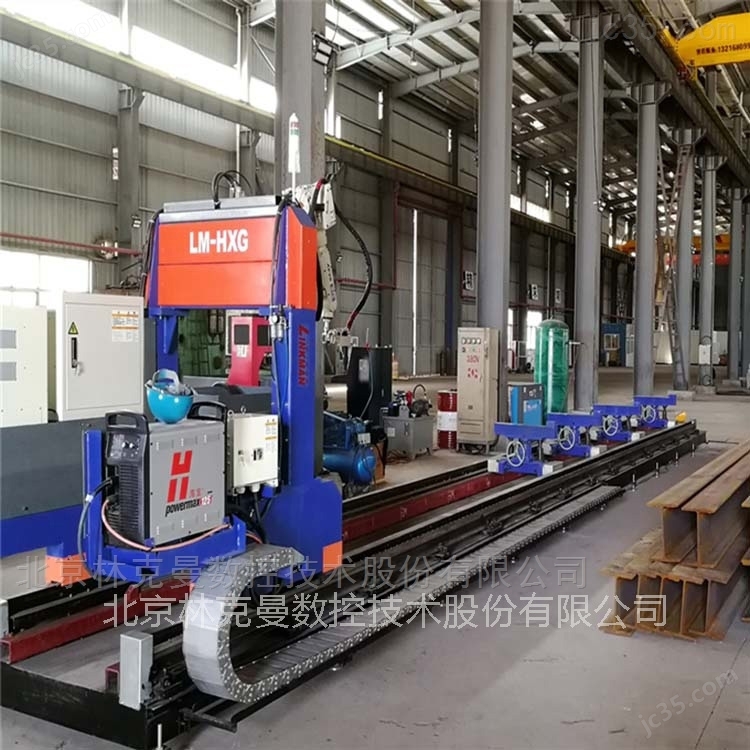
The Evolution of Steel Cutting Equipment: Enhancing Efficiency and Precision
The steel cutting equipment has undergone significant transformations over the years, incorporating advanced automation functions to improve efficiency and precision. While manual cutting machines were once the norm, the introduction of automated tools and technologies has revolutionized the metal processing industry. In this blog post, we will delve into the world of steel cutting equipment, exploring its features, benefits, and best practices for optimal use.
Understanding the Basics of Steel Cutting Equipment
Steel cutting equipment is designed to cut and shape steel profiles with precision and accuracy. These machines have become an essential tool in various industries, including construction, manufacturing, and engineering. The equipment’s automated functions enable faster and more efficient cutting, reducing the workload and intensity of workers. However, some processes still require manual operation, emphasizing the need for skilled operators who can navigate the equipment with ease.
Suitable Applications for Steel Cutting Equipment
Steel cutting equipment is ideal for small and medium-sized metal processing plants, construction sites, and other industries that require precise cutting and shaping of steel profiles. These machines can handle a range of tasks, from treating simple steel structural parts to cutting small pipes. Their versatility and adaptability make them an indispensable asset in various industrial settings.
Essential Operating Skills and Knowledge
To operate steel cutting equipment effectively, operators must possess basic operating skills, including:
- Starting and stopping the machine: Understanding the equipment’s control panel and safety features is crucial to ensure safe and efficient operation.
- Speed regulation: Adjusting the cutting speed to suit the material and task at hand is essential for achieving optimal results.
- Cutting parameters: Familiarity with cutting parameters, such as cutting current, gas pressure, and material thickness, is vital for producing high-quality cuts.
- Troubleshooting: Operators must be able to identify and resolve common issues, such as equipment malfunction or material defects, to minimize downtime and ensure continuous production.
Material Characteristics and Cutting Process Requirements
Operators must also understand the characteristics of various steel materials, including their strength, durability, and reactivity. This knowledge enables them to select the most suitable cutting methods and settings for each task, ensuring optimal results and minimizing waste.
Personal Protective Equipment and Safety Precautions
The use of steel cutting equipment poses various risks, including sparks, splashes, and noise. To mitigate these risks, operators must wear personal protective equipment, such as:
- Hard helmets: Protecting the head from falling debris and other hazards.
- Protective glasses: Shielding the eyes from sparks and other projectiles.
- Earplugs: Reducing noise levels to prevent hearing damage.
- Protective gloves: Preventing hand injuries from cuts, abrasions, and other hazards.
- Work clothes and safety shoes: Providing overall protection and comfort during operation.
Equipment Maintenance and Inspection
Regular maintenance and inspection are crucial to ensure the equipment’s optimal performance and longevity. This includes:
- Cleaning: Removing dust, iron filings, and other debris from the equipment to prevent wear and tear.
- Lubrication: Applying lubricants to transmission parts, bearings, and guide rails to reduce friction and wear.
- Fixing and adjustment: Tightening loose fasteners and adjusting the equipment’s components to maintain precision and accuracy.
- Inspection: Regularly checking the equipment’s performance indicators and replacing worn or damaged parts to prevent equipment failure.
Setting Up a Safe Working Environment
A safe working environment is essential for preventing accidents and ensuring continuous production. This includes:
- Security warning signs: Displaying clear warning signs to alert operators and bystanders of potential hazards.
- Safe areas: Designating safe areas for operators and prohibiting unauthorized access to the cutting site.
- Clean and clear passages: Maintaining a clean and clutter-free workspace to facilitate easy evacuation in case of emergencies.
Optimizing Cutting Parameters for Quality and Efficiency
Selecting the optimal cutting parameters is critical for achieving high-quality cuts and minimizing waste. Operators must consider factors such as:
- Cutting speed: Adjusting the cutting speed to suit the material and task at hand.
- Cutting current: Regulating the cutting current to achieve the desired cut quality and minimize material waste.
- Gas pressure: Adjusting the gas pressure to optimize the cutting process and prevent material defects.
Monitoring the Cutting Process
During the cutting process, operators must closely monitor the equipment’s performance, paying attention to signs of anomalies, such as unusual sounds, sparks, or material defects. If issues arise, operators must be able to troubleshoot and resolve problems quickly to minimize downtime and ensure continuous production.
Conclusion
Steel cutting equipment has revolutionized the metal processing industry, offering unparalleled efficiency, precision, and versatility. By understanding the equipment’s features, benefits, and best practices, operators can optimize their use, ensuring high-quality cuts, minimal waste, and a safe working environment. As the industry continues to evolve, it is essential to stay up-to-date with the latest technologies and innovations, embracing new challenges and opportunities in the world of steel cutting equipment.
Images and Visuals
[Image: Steel cutting equipment in action]
[Image: Operator wearing personal protective equipment]
[Image: Equipment maintenance and inspection]
[Image: Safe working environment with security warning signs]
[Image: Optimized cutting parameters for quality and efficiency]
Note: The images and visuals are placeholders and should be replaced with actual images and graphics to enhance the blog post’s visual appeal and illustrate the concepts discussed.



















