
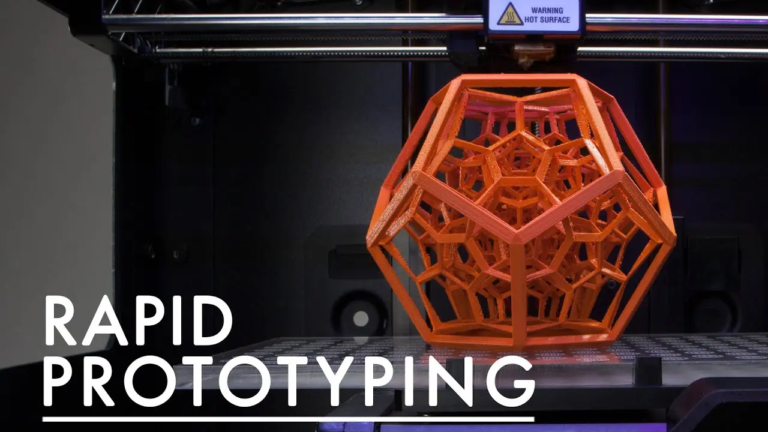
In today’s manufacturing landscape, automation has become a key aspect of increasing efficiency, reducing costs and improving product quality. One of the industries that can benefit greatly from automation is aluminum manufacturing. Manual manufacturing processes can be time-consuming, labor-intensive, and error-prone. By automating aluminum manufacturing, manufacturers can simplify their production lines, reduce waste and improve the overall production process.
Automated aluminum manufacturing
Automated aluminum manufacturing involves the use of computer-controlled machines, such as computer numerical control (CNC) machines, to manufacture aluminum parts and components. These machines can be programmed to perform complex tasks such as cutting, drilling and milling with high accuracy and accuracy.
One of the main benefits of automated aluminum manufacturing is the improvement in accuracy and accuracy of the manufacturing process. Manual manufacturing processes can be prone to human errors, which can lead to defects and waste materials. On the other hand, an automated CNC computer can produce parts with precise tolerances and complex geometry, ensuring that the final product meets the required specifications.
Another benefit of automated aluminum manufacturing is the speed and efficiency of the production process. Automated machines can work in 24/7 without rest or downtime and produce parts faster and more accurately than manual workers. This is especially beneficial in industries where speed and efficiency are critical, such as aerospace and automotive.
Implement automation
Implementing automation in aluminum manufacturing requires a thorough understanding of the manufacturing process and equipment required for automation. Here are some steps to consider:
1. Evaluate your current manufacturing process: Evaluate your current manufacturing process to identify areas where automation can be implemented. This may involve identifying bottlenecks, inefficiency and opportunities for improvement.
2. Select the right device: Choose the right device for your automation needs. This may involve choosing between different types of CNC machines, such as milling machines, lathes or grinders.
3. Programming machines: Programming machines using computer-aided design (CAD) software and computer-aided manufacturing (CAM) software.
4. Integrate machines: Integrate machines into your existing manufacturing process, including integrating them with other devices and systems.
The benefits of automation
Automated aluminum manufacturing offers a variety of benefits, including:
1. Improved accuracy and precision: Automated CNC machines can produce parts with precise tolerances and complex geometry, ensuring that the final product meets the required specifications.
2. Speed and efficiency improvements: Automated machines can operate 24/7 without circuit breakers or downtime and generate parts faster and more accurately than manual workers.
3. Reduce labor costs: Automation can reduce labor costs by minimizing the need for manual labor and reducing the risk of human error.
4. Improve product quality: Automation can improve product quality by reducing defects and waste.
in conclusion
Automated aluminum is a key aspect of improving efficiency, reducing costs and improving product quality in the industry. By implementing automation, manufacturers can improve the accuracy and accuracy of their manufacturing processes, increase speed and efficiency, reduce labor costs and improve product quality. With the right equipment and programming, automation can be a valuable investment for aluminum manufacturers.
FAQ
Q: What are the benefits of automated aluminum?
A: The benefits of automated aluminum include improved accuracy and accuracy, improved speed and efficiency, reduced labor costs, and improved product quality.
Q: What equipment are used for automated aluminum?
A: The types of equipment used for automated aluminum manufacturing include computer numerical control (CNC) machines such as milling machines, lathes and grinders.
Q: How to automate the machine programming?
A: Use computer-aided design (CAD) software and computer-aided manufacturing (CAM) software to program the machine.
Q: What are the steps involved in implementing automation in aluminum manufacturing?
A: The steps to implement automation in aluminum manufacturing include evaluating your current manufacturing process, selecting the right equipment, programming the machine, and integrating the machine into the existing manufacturing process.
Q: Can automation improve product quality?
A: Yes, automation can improve product quality by reducing defects and waste.



















