
CNC machining format: Comprehensive guide
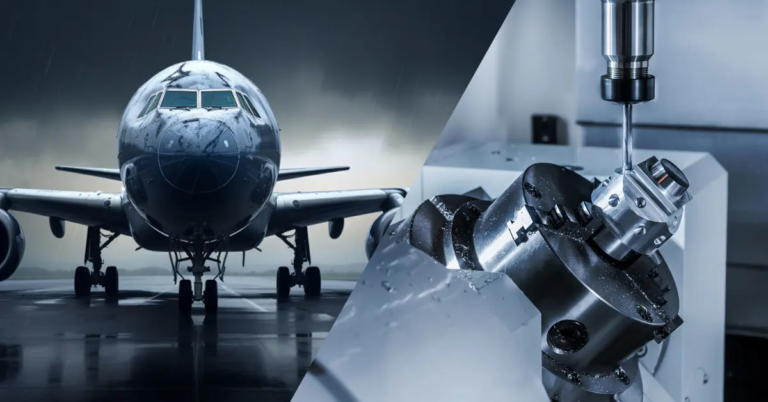
CNC machining, also known as computer numerical controlled machining, is a manufacturing process that uses a computer-controlled machine to remove materials from workpieces to create the desired shape or design. This process is widely used in a variety of industries such as aerospace, automotive, medical and consumer products to produce precise parts. In this article, we will dig into different aspects of CNC machining, including the advantages, types and formats of CNC machining.
Advantages of CNC machining
CNC machining offers some benefits including improved accuracy, reduced production time and improved surface finishes. This process allows the creation of complex geometric shapes and shapes that traditional machining methods will be difficult or impossible to achieve. Furthermore, CNC machining is able to produce parts with tight tolerances and increase surface treatment, which is ideal for applications where accuracy is critical.
Types of CNC processing
There are several types of CNC machining, including:
* 3-axis machining: This is the most common type of CNC machining, which uses three axes (X, Y, and Z) to move the cutting tool and remove material from the workpiece.
* 4-axis machining: This type of CNC machining adds an additional axis (A-axis) to the basic 3-axis setup, allowing for more complex geometries and shapes.
* 5-axis machining: This advanced CNC machining type includes five axes (x, y, z, a and b), enabling true 3D machining as well as the ability to machining complex shapes and surfaces.
*Multi-axis machining: This type of CNC machining combines multiple axes to produce complex shapes and geometric shapes.
CNC machining format
The CNC machining format refers to various ways in which a CNC computer performs specific tasks. There are several different formats, including:
*Peripheral Milling: This format uses a peripheral milling cutter to remove material from the workpiece.
*Face Milling: This format uses a face milling tool to process the surface of the workpiece.
*End Milling: This format uses an end milling tool to machining the periphery of the workpiece.
*Drilling: This format uses drill bits to create holes in the workpiece.
*Bored: This format uses boring bars to enlarge existing holes or create new holes.
Key factors to consider in CNC machining
There are several key factors to consider when choosing a CNC machining service, including:
* Equipment: Not all CNC processing equipment is equal. Find services that use state-of-the-art equipment to ensure accuracy and accuracy.
*Operator expertise: The operator’s skills and experience can greatly affect the quality of the finished product. Make sure that the service you choose has experienced operators who know the specific types of CNC machining required.
*Quality Control: Good CNC machining services should have a strong quality control process to ensure that the final product meets the required specifications.
*Material selection: The material selection process is crucial for CNC processing. Make sure that the service you choose can use a variety of materials.
in conclusion
CNC machining is a versatile and precise manufacturing process that provides many benefits including improved accuracy, reduced production time and improved surface finishes. By understanding the different types and formats of CNC machining, and the key factors to consider when choosing a CNC machining service, you can ensure that accurate parts meet the highest standards of quality and accuracy.
FAQ
Q: What is CNC processing?
A: CNC machining is a manufacturing process that uses a computer-controlled machine to remove material from the workpiece to create the desired shape or design.
Q: What are the advantages of CNC processing?
A: Advantages of CNC machining include improved accuracy, reduced production time and improved surface finishes.
Q: What are the different types of CNC processing?
Answer: Different types of CNC machining include 3-axis, 4-axis, 5-axis and multi-axis machining.
Q: What are the key factors to consider when choosing a CNC processing service?
A: Key factors to consider when choosing a CNC machining service include equipment, operator expertise, quality control and material selection.
Q: Can CNC machining be used to produce complex geometric shapes and shapes?
A: Yes, CNC machining can be used to produce complex geometric shapes and shapes, making it ideal for applications where accuracy is critical.
By following this comprehensive guide, you can ensure that precision parts meet the highest standards of quality and accuracy. Remember to consider the advantages, types and formats of CNC machining, and the key factors to consider when choosing a CNC machining service. With the right guidance, you can achieve accurate and accurate results through CNC machining.



















