
The Art of Treatment Equipment: Unlocking Efficient Processing Solutions
In the ever-evolving landscape of manufacturing, treatment equipment has become a vital component of any production line. With a plethora of options available, it can be daunting for engineers and operators to choose the right gear for their specific needs. In this blog post, we’ll delve into the world of treatment equipment, exploring the different types, their applications, and the intricacies of processing.
Understanding the Various Treatment Equipment Options
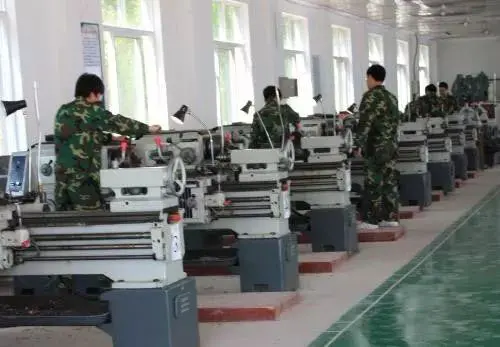
- Ordinary Lathe: This stalwart of machining is perfect for processing parts with rotary surfaces, such as trees, discs, and sleeves. With precision levels reaching 0.01 mm, lathes are the most widely used machine tools in mechanical manufacturing.
- Ordinary Macaification: This versatile machine is capable of treating plans, grooves, and complex profiles, making it an essential tool for processing parts that require precise dimensional accuracy.
- Grinder: With its high-speed rotary crushing wheels, grinders are perfect for surface grinding, polishing, and deburring. For ultra-fine processing, grinders can achieve an accuracy of 0.005 mm, while small parts can reach precision levels of 0.002 mm.
- Fitterman: Heavy-duty components, such as deposits, sawing, and drilling, are no match for a skilled fitterman. With precision levels of 0.05 mm, fittermen are an essential part of any production line.
- CNC Lathe: Batch processing, precision parts, and high-volume production are the hallmarks of CNC lathes, which can reach precision levels of 0.01 mm.
- CNC Milling: Complex parts, large components, and high-volume production are the bread and butter of CNC milling machines, which can also achieve precision levels of 0.01 mm.
- Wire Cutting: With precision levels reaching 0.003 mm, wire cutting is the perfect solution for processing fine holes, grooves, and other intricate features.
- Spark Machining: For complex shapes, hard-to-cut materials, and precision requirements, spark machining is the ultimate solution, with precision levels of 0.005 mm.
The Importance of Process Flow
Effective process flow is crucial for efficient production, ensuring that every element of the manufacturing process is optimized for maximum productivity and quality. A well-designed process flow not only streamlines production but also reduces waste and costs.
Craft Knowledge
- Hole Grinding: When precision levels of 0.05 mm are required, CNC treatment is the only option. Through holes, on the other hand, can be cut with wire cutting.
- Groove Processing: For grooves with widths less than 2 mm, wire cutting is the best option, while for grooves with widths of 3-4 mm, cutting with wire is also necessary.
- Blind Hole Processing: Before caliber, a rough treatment is required, and after calculus, a fine treatment is performed.
Quota Cost Calculation Method
When it comes to calculating costs, the method used can significantly impact the precision of the calculations. The quota cost calculation method, which takes into account equipment costs, processing costs, and management fees, is a reliable and widely used approach.
Quote Information
- Tournament: 60 yuan per hour
- Macacaification: 60 yuan per hour
- Grinder: 60 yuan per hour
- Fitterman: 80 yuan per hour
- Treatment Center: 60-120 yuan per hour
- CNC LATHE: 60-120 yuan per hour
- Spark Machine: 80-150 yuan per hour
- Slow Travel Thread: 60-150 yuan per hour
- Discharge of Fine Pores: 0.3-0.8 yuan per mm2
- Management Costs: 0.2 times the cost price
In conclusion, treatment equipment is an essential component of any production line, and choosing the right gear for your specific needs is crucial for efficiency and quality. By understanding the various treatment equipment options, optimizing process flow, and applying craft knowledge, engineers and operators can achieve maximum productivity and precision.



















