
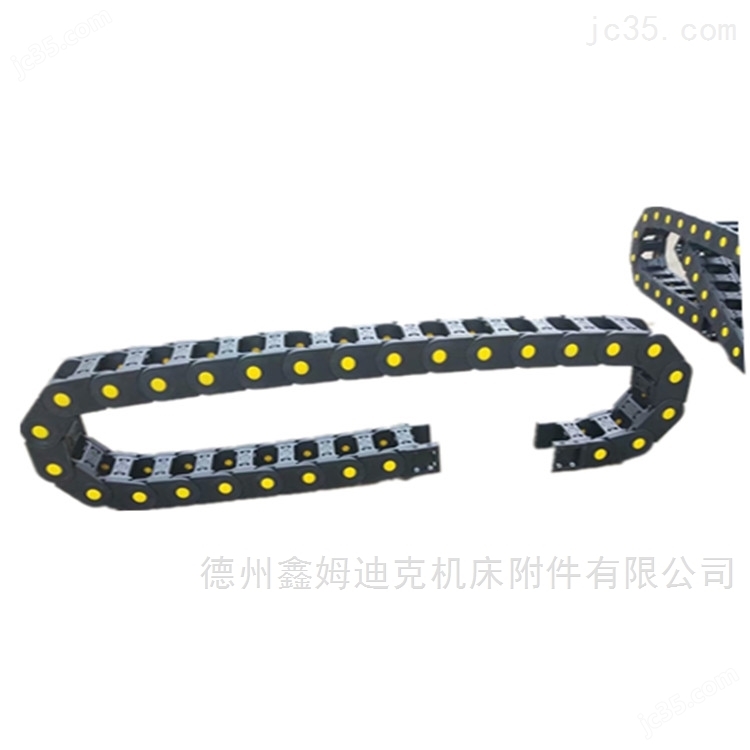
The Evolution of Steel and Aluminum Drag Chains in Industrial Manufacturing: A Guide to their Classification, Selection, and Applications
In today’s fast-paced industrial landscape, the demand for efficient and reliable machinery is at an all-time high. To meet this demand, manufacturers are constantly on the lookout for innovative solutions that can streamline their production processes, increase productivity, and reduce maintenance costs. One such solution is the steel and aluminum drag chain, which has become an essential component in various industries. In this blog post, we’ll delve into the world of steel and aluminum drag chains, exploring their classification, selection, and applications, as well as their characteristics that make them an attractive choice for manufacturers.
Classification of Steel and Aluminum Drag Chains
Steel and aluminum drag chains are classified based on their shape and intended use. The primary classification is into three categories: full-type, upper and lower fractionation, and frame-type. The full-type chain is widely used in industries where continuous motion is required, while the upper and lower fractionation is used in applications where flexibility is necessary. The frame-type chain is ideal for applications where a combination of flexibility and rigidity is needed.
In addition to their shape, steel and aluminum drag chains are also categorized based on the environment in which they are used. The distinction between bridge, entirely closed, semi-fermed, and pipe trail chains is crucial in determining the optimal solution for each unique application.
Selection Principles for Steel and Aluminum Drag Chains
When selecting a steel or aluminum drag chain, several factors come into play. The bending radius of the chain, for instance, is a critical parameter that must be considered. The oil pipes, gas pipes, and water pipes used in the machine must be taken into account, as they can have a significant impact on the chain’s performance. To ensure a smooth operation, at least 10% of the space around the pipe or cable should be left.
The inner width of the drag chain must also be selected with care. The sum of the exterior diameters of the thicker cable, oil pipe, gas pipe, and water pipe should be used as a reference value, and at least 10% of the width space should be left.
Applications of Steel and Aluminum Drag Chains
Steel and aluminum drag chains have a wide range of applications across various industries, including:
- CNC machines
- Electronic equipment
- Stone machines
- Glass machines
- Door and window machines
- Injection molding machines
- Robotics
- Overweight transport equipment
- Automated warehouses
Characteristics of Steel and Aluminum Drag Chains for Machine Tools
The steel and aluminum drag chain offers several characteristics that make them an attractive option for machine tools. These include:
- Excellent material: The main body of the chain plate is composed of high-quality steel plates, support plates, and tree pins made of alloy steel, ensuring that they do not cause distortion or deformation between cables or rubber pipes and the chain.
- Flexible design: The steel and aluminum drag chain is suitable for all transmission methods, can be elongated and shortened at will, and has a large free suspension length. The support plate can be made according to customer needs, making it adaptable to different work environments and load requirements.
- Stable operation: Each section of the chain can be opened for easy installation and maintenance. The steel and aluminum drag chain has low noise and resistance to wear during movement, allowing it to operate at high speeds. The pressure level of the noise during displacement is small, making it ideal for quiet and efficient operation.
Conclusion
In conclusion, steel and aluminum drag chains have become an essential component in various industries, offering numerous benefits, including excellent material, flexible design, and stable operation. By understanding the classification, selection, and application of these chains, manufacturers can make informed decisions to optimize their production processes, increase productivity, and reduce maintenance costs. Whether you’re a manufacturer or an engineer, it’s essential to have a comprehensive understanding of the steel and aluminum drag chain to make the most of your investment.



















