
Accuracy and efficiency are key to maintaining a competitive lead in today’s rapidly growing manufacturing landscape. The forefront of this development is the CNC factory, a hub of technological innovation that is revolutionizing the way we produce complex parts and products. In this article, we will dig into the world of CNC machining, explore its benefits, and discover how it shapes the future of precision manufacturing.
What is CNC machining?
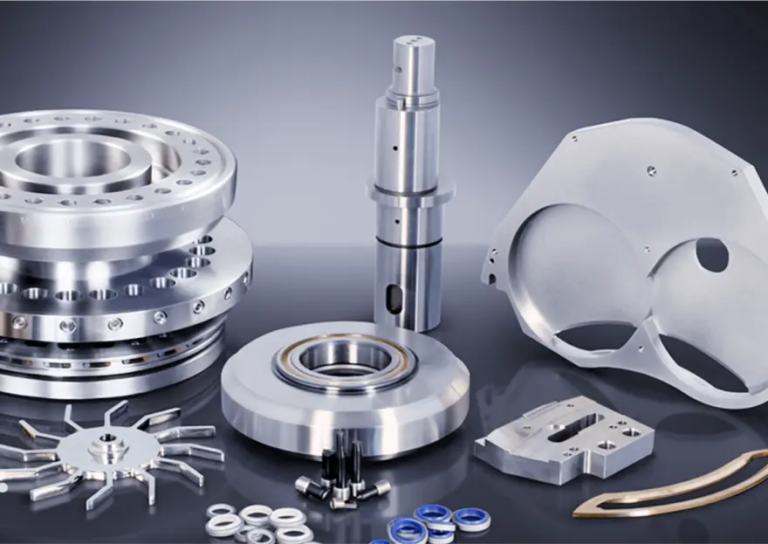
CNC (Computer Numerical Control) machining is a manufacturing process that uses computer programming and precise tools to create complex parts with strict specifications. By using computer-controlled machines, manufacturers can produce parts with unparalleled precision, precision and surface finish. The process involves three main components: computer-aided design (CAD) program, CNC machine and workpiece (material being processed).
Benefits of CNC Factory
The CNC plant offers many benefits, including:
- Improve accuracy: CNC machining ensures unwavering accuracy of parts, thus reducing the possibility of errors and defects.
- Reduce delivery time: By using computer-controlled machines, manufacturers can simplify production, reduce lead times and reduce market time for new products.
- Save costs: The cost of CNC machining is more economical than traditional manufacturing methods, as it eliminates the need for tool conversion and reduces the risk of human error.
- Improved finish: CNC machining can produce higher levels of surface finishing parts, thereby reducing surface roughness and improved fatigue life.
- Improve productivity: CNC machines can operate 24/7 and require minimal maintenance, thereby increasing overall productivity and reducing downtime.
Development of CNC factory
Over the years, the CNC plant has undergone significant changes, driven by technological advancements and growing demand for precision manufacturing. Some key developments include:
- 5-axis CNC machining: This latest technology allows for five-axis machining to produce complex parts with unprecedented accuracy and accuracy.
- Additive Manufacturing: Also known as 3D printing, this technology is used to produce components with complex geometry and reduced material consumption.
- Microarrangements: The development of micro-experimental technology enables the production of over-parts with micrometer-measuring dimensions.
in conclusion
CNC factories are revolutionizing the world of precision manufacturing, offering unparalleled precision, speed and finishes. As technology continues to evolve, we can expect to see more innovative applications of CNC machining, such as additive manufacturing and micro-cache, become the norm. Whether you are a manufacturer, engineer or entrepreneur, understanding the benefits of CNC machining is crucial to staying ahead of today’s competitive manufacturing landscape.
FAQ
Q: What is CNC processing?
A: CNC machining is a manufacturing process that uses computer programming and precise tools to create complex parts with strict specifications.
Q: What are the benefits of CNC processing?
A: The benefits of CNC processing include improved accuracy, reduced lead time, cost savings, improved surface surface and increased productivity.
Q: What are the latest advancements in CNC factory technology?
A: Some of the latest advancements include 5-axis CNC machining, additive manufacturing and micro-cache.
Q: What types of materials can be processed using CNC technology?
A: CNC technology (including metals, plastics and composites) can be used to process a variety of materials.
Q: Can CNC processing be customized to meet specific production needs?
A: Yes, CNC processing is highly versatile and can be customized to meet specific production needs, including one-stop post-processing and finishing services.



















