
CNC machining in the United States: What you need to know
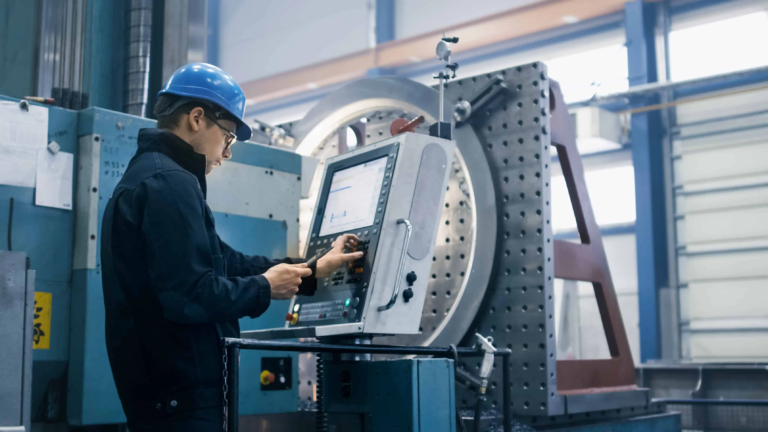
The world of CNC processing is a complex and rapidly developing field, with new technologies and innovations emerging every year. As a result, it is crucial to be aware of the latest developments and trends in the field. In this article, we will outline CNC machining, its history, benefits, and best practices in the United States.
A brief history of CNC machining
CNC machining, also known as computer numerical control machining, is a manufacturing process that uses computer-controlled machines to cut and shape materials such as metal, wood and plastic. The first CNC machine was developed in the 1940s, but CNC processing was not widely used in the manufacturing industry until the 1960s and 1970s.
How does CNC machining work?
CNC machining creates programs that determine the motion of the machine by using a computer-aided design (CAD) system. This program is then used to control the movement of the machine tool, which is usually a lathe, a milling machine or a grinder.
The machine tool is able to move in three-dimensional space, allowing it to cut and shape materials with incredible accuracy. The program can also be modified and updated in real time to adapt to changes in the production process.
Benefits of CNC machining
Compared with traditional processing methods, CNC machining has several benefits. Some benefits include:
- accurate: CNC machining can produce highly accurate parts, which means parts can be designed and manufactured to blend seamlessly.
- speed: CNC machines can work at amazing speeds, allowing for rapid production of large quantities of parts.
- Cost-effective: CNC machining is more cost-effective than traditional machining methods because it reduces labor costs and increases productivity.
Best Practices for CNC Processing
To make the most of CNC machining, there are several best practices to keep in mind. Some best practices include:
- Quality control: Regularly check the quality of produced parts to ensure they meet the required standards.
- maintain: Regularly maintain CNC machines to ensure they operate at peak performance.
- train: Ensure that the operators of CNC machines are properly trained to use the machine safely and effectively.
in conclusion
In short, CNC machining is an important part of the manufacturing process, providing accuracy, speed and cost-effectiveness. By understanding the history, benefits and best practices of CNC machining, manufacturers can optimize their production processes and produce high-quality parts at lower costs.
FAQ
Q: What is CNC processing?
A: CNC machining is a manufacturing process that uses computer-controlled machines to cut and shape materials such as metal, wood and plastic.
Q: How does CNC machining work?
A: CNC machining uses computer-aided design (CAD) systems to create programs that determine the motion of the machine.
Q: What are the benefits of CNC processing?
A: The benefits of CNC machining include accuracy, speed and cost-effectiveness.
Q: What are the best practices for CNC machining?
A: Some best practices for CNC machining include quality control, maintenance and training of the machine’s operators.
Q: What materials can CNC process?
A: CNC machines can accommodate a variety of materials, including metal, wood and plastic.



















