
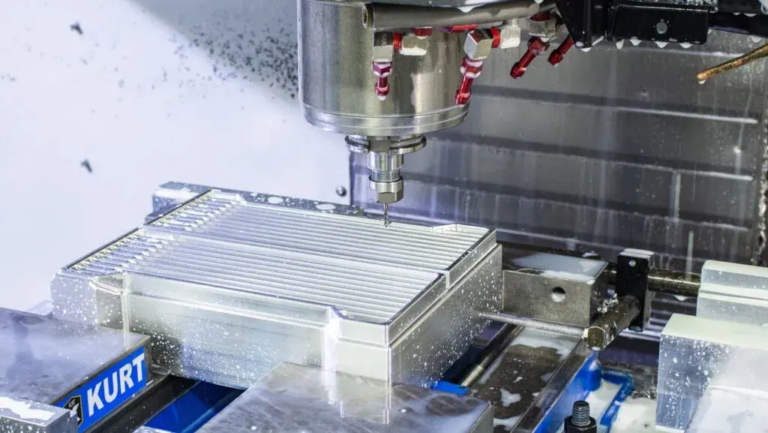
The Ultimate Guide to Maintaining CNC Machine Tools: Tips and Best Practices
CNC (Computer Numerical Control) machine tools have revolutionized the manufacturing industry, enabling precise and efficient production of complex parts and products. However, these machines require regular maintenance to ensure optimal performance, reliability, and longevity. In this comprehensive guide, we will explore the essential steps to maintain CNC machine tools, covering daily maintenance, monthly maintenance, and best practices to ensure your machines run smoothly and productively.
Daily Maintenance:
- Cleanliness is Key: Regularly clean the machine’s exterior and interior to prevent dust, dirt, and debris from accumulating. Use a soft cloth and a mild detergent to wipe down surfaces, paying particular attention to areas around moving parts, coolant systems, and chip collection systems.
- Lubrication: Apply lubricants to moving parts, such as joints, bearings, and gears, to reduce friction and wear. Use the manufacturer’s recommended lubricant type and apply it according to their instructions.
- Check Coolant: Inspect the coolant system for proper function, ensuring it is free of debris and obstruction. Regularly check the coolant level, pH, and conductivity, and top off or replace it as needed.
- Monitor Temperature: Keep an eye on machine temperature, ensuring it falls within the recommended range. High temperatures can damage components, so take prompt action if you notice any anomalies.
Monthly Maintenance:
- Thorough Cleaning: Perform a deeper clean of the machine, paying attention to hard-to-reach areas and tight spaces. Use compressed air and a soft-bristled brush to remove dust and debris.
- Lubrication Refresh: Reapply lubricants to moving parts, and re-lubricate gears, bearings, and other critical components.
- Filter Maintenance: Inspect and clean filters, such as those in the coolant system, dust collector, or misting system. Replace filters as needed to maintain optimal performance.
- Software Updates: Regularly update your CNC software to ensure you have the latest bug fixes, features, and performance enhancements.
Best Practices:
- Maintenance Scheduling: Create a maintenance schedule to ensure regular tasks are performed consistently. This will help you stay on top of maintenance and reduce the risk of unplanned downtime.
- Record Keeping: Keep accurate records of maintenance activities, including dates, tasks performed, and any issues encountered. This will aid in troubleshooting and help you identify patterns or trends.
- Employee Training: Educate operators and maintenance personnel on proper maintenance procedures, ensuring they understand the importance of regular cleaning, lubrication, and inspection.
- Quality Control: Implement a quality control program to detect and address any issues before they become major problems. Regularly inspect machine output and verify product quality to ensure compliance with standards.
Additional Tips:
- Regular Inspections: Perform regular visual inspections of the machine, looking for signs of wear, damage, or premature wear. Address these issues promptly to prevent costly repairs or production downtime.
- Professional Maintenance: Consider hiring a professional to perform specialized maintenance tasks, such as encoder calibration or servomotor adjustment. They can help diagnose and repair complex issues, saving you time and resources.
- Upgrades and Retrofits: Keep your machine up-to-date with the latest technology, investing in upgrades or retrofits that enhance performance, accuracy, or efficiency.
- Documentation: Keep accurate records of maintenance, repairs, and operating history. This information will be invaluable when servicing or selling the machine, and may be required for compliance with regulatory standards.
By following these guidelines, you’ll be well on your way to maintaining your CNC machine tools, ensuring optimal performance, and minimizing downtime. Remember to combine regular maintenance with best practices, and you’ll enjoy increased productivity, reduced costs, and improved overall machine lifespan.



















