
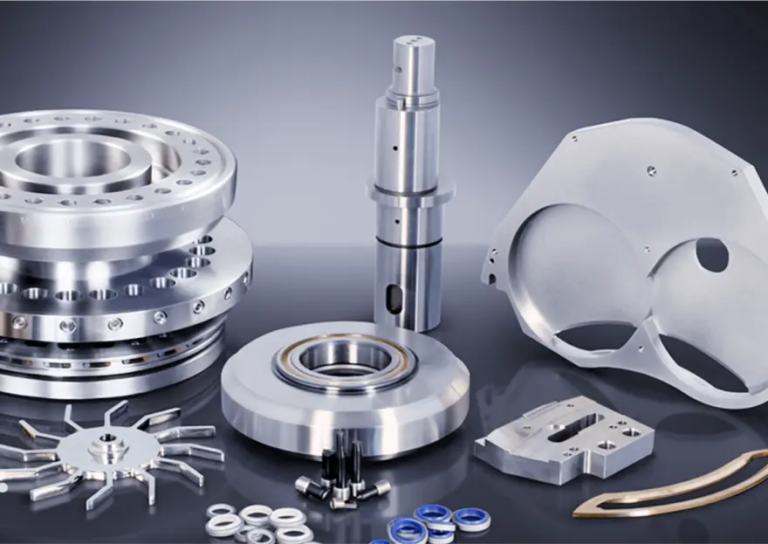
CNC Processing: A Step-by-Step Guide to Processing
CNC (Computer Numerical Control) machining has revolutionized the manufacturing industry, allowing complex parts to be produced in high precision and accuracy. In this article, we will dig into the world of CNC processing and explore step-by-step guides, benefits and technical details of machining.
Step 1: Design and Preparation
The first step in CNC machining is to design and prepare components. This involves creating a 3D model of a part using computer-aided design (CAD) software and then converting it into G-code, a set of instructions that the CNC machine can read and understand.
Step 2: Tool route generation
After creating the G code, the next step is to generate the tool path. This tool path refers to the specific path for cutting tools to remove material and shape parts. This is usually done using CAM (Computer Aided Manufacturing) software that takes into account the design requirements and functions of the CNC machine.
Step 3: NC data preparation
After generating the tool path, the next step is to prepare the NC (numerical control) data. This involves converting G code into a format that the CNC computer can read and execute. This process is usually done using specialized software that checks for errors and optimizes the cutting path for efficiency.
Step 4: CNC machining
By preparing the NC data, the final step is to load the program into the CNC machine and start the machining process. The machine reads instructions and performs cutting paths, accurately deleting materials and shaping parts according to design specifications.
Step 5: Post-processing
After the machining process is complete, the final step is to perform post-processing tasks such as burrs, heat treatment and surface finishes. This ensures that the part meets the required standards and is ready for use.
Benefits of CNC machining
CNC machining provides many benefits, including:
*High accuracy and accuracy
*Improving productivity and efficiency
*Reduce labor costs
*Enhanced product quality
* Ability to produce complex parts
Types of CNC processing
There are several types of CNC machining, including:
* 2.5 Axis machining: The most basic type, involving cutting along a single axis.
* 3-axis machining: allows cutting along three axes, providing greater flexibility and accuracy.
* 4-axis machining: involves cutting along four axes, thus making shape and design more complex.
* 5-axis machining: The most advanced type involving cutting along five axes, resulting in extremely complex parts.
in conclusion
CNC machining is a powerful technology that revolutionized the manufacturing industry. By following a step-by-step guide to machining, you can ensure the accuracy and accuracy of the parts. Whether you are a manufacturer, engineer or designer, understanding CNC machining is essential to creating high-quality products that meet the needs of the modern world.
FAQ
Q: What is CNC processing?
A: According to pre-programmed design, CNC machining is a manufacturing process that uses computer-controlled machines to cut and shape materials such as metal, wood or plastic.
Q: What are the benefits of CNC processing?
A: The benefits of CNC machining include high accuracy and accuracy, improved productivity and efficiency, reduced labor costs and improved product quality.
Q: What are the different types of CNC processing?
A: Different types of CNC machining include 2.5-axis, 3-axis, 4-axis and 5-axis machining, each of which provides different levels of accuracy and complexity.
Q: What are the post-processing steps for CNC processing?
A: The post-treatment steps of CNC machining include burrs, heat treatment and surface finishes to ensure that the parts meet the required standards and are ready for use.
Q: Can CNC processing be used for any material?
A: Yes, CNC machining can be used with a variety of materials, including metal, wood, plastic and other engineering materials.
Q: How is CNC processing different from traditional manufacturing methods?
A: CNC machining is different from traditional manufacturing methods because it uses computer-controlled machines and automated processes to produce parts, while traditional methods rely on manual labor and manual intervention.



















