
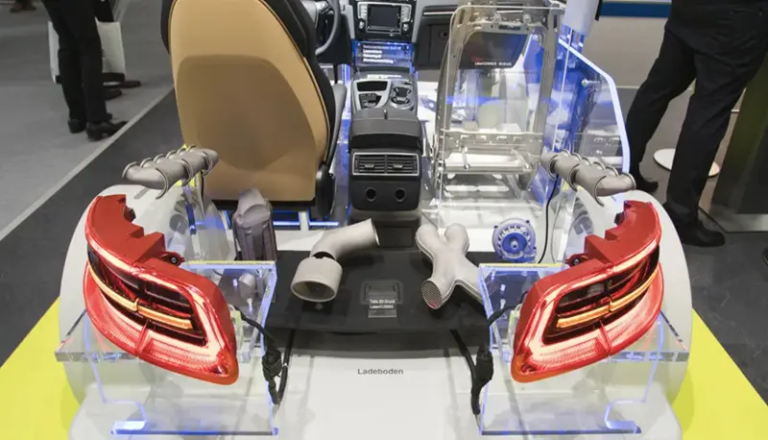
CNC machining: an accurate and effective way to manufacture parts
CNC machining is a manufacturing process that uses computer-controlled machines to manipulate raw materials, such as metals and plastics, to produce precise parts. The acronym CNC stands for computer numerical control, which refers to the use of computer programming and numerical data to guide the movement of the machine.
The CNC machining process involves several key components, including:
1. Computer Aided Design (CAD) Software: This software is used to create digital models of parts to be manufactured.
2. Computer Numerical Control (CNC) Machine: This machine has been programmed using CAD design data and controls the movement of cutting tools or other tools to make parts.
3. Cutting tools: These are physical tools used to shape raw materials, such as drill bits, milling cutters or lathes.
4. Raw Materials: These are materials used to produce the part, such as metal, plastic or other materials.
The CNC machining process is highly accurate and flexible, allowing for the production of complex parts with tight tolerances. It is widely used in a variety of industries, including aerospace, automotive, medical and consumer products.
Application of CNC machining
CNC machining has many applications in various industries, including:
1. Aerospace: CNC machining parts used to produce aircraft and spacecraft, such as engine components, landing gear and structural components.
2. Automotive: CNC machining is used to produce parts of cars, trucks and other vehicles, such as engine components, transmission components and suspension components.
3. Medical: CNC processing is used to produce medical devices such as surgical instruments, implants and prosthetics.
4. Consumer Products: CNC processing is used to produce consumer products such as household appliances, electronics and furniture.
Benefits of CNC machining
CNC machining offers a variety of benefits, including:
1. High Accuracy: CNC machining allows precise control of the manufacturing process, resulting in high-precision parts.
2. Flexibility: CNC machining can be used to produce a wide range of parts from simple to complex.
3. Efficiency: CNC machining can be faster and more efficient compared to traditional manufacturing methods.
4. Cost-effectiveness: CNC processing is more cost-effective than traditional manufacturing methods.
FAQ
Q: What is CNC processing?
A: CNC machining is a manufacturing process that uses computer-controlled machines to manipulate raw materials to produce precise parts.
Q: What are the advantages of CNC processing?
A: The advantages of CNC machining include high precision, flexibility, efficiency and cost-effectiveness.
Q: What is the application of CNC processing?
A: CNC processing is used in a variety of industries, including aerospace, automotive, medical and consumer products.
Q: What are the benefits of choosing a professional CNC processing service?
A: The benefits of choosing a professional CNC machining service include high-quality parts, fast turnaround time and competitive pricing.
By providing a high degree of accuracy, flexibility and efficiency, CNC machining is an important process in the manufacturing industry. With the right equipment, software and expertise, CNC machining can produce high-quality parts with tight tolerances, making it ideal for a wide range of applications.



















