
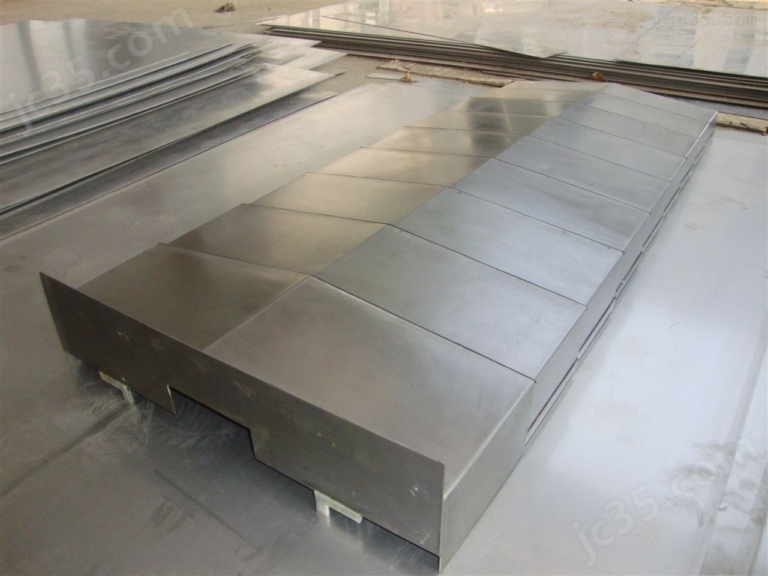
The Ultimate Guide to Telescopic Machine Shielding: Design, Material Selection, and Production Process
In the realm of machine tools, precision is paramount. The ever-present risk of contamination, wear, and damage to delicate parts necessitates the implementation of protective measures. Enter the telescopic machine shielding, a cutting-edge solution designed to safeguard the precision components within the tooltip from external influences. In this comprehensive guide, we’ll delve into the world of telescopic machine shielding, exploring its design principles, material selection, and production process.
Design Principles of Telescopic Machine Shielding
A well-designed telescopic sheet metal sheet must possess a combination of telescope-like properties, allowing it to accommodate the retractable guard plate’s movement. The primary objectives of the design process are:
- Flexibility: The telescopic sheet must be capable of stretching and contracting in harmony with the movement of the machine tool, ensuring effective protection of internal components.
- Seal: To prevent the entry of contaminants, such as shavings and oil, the design must incorporate a hermetic seal between all connection parts.
- Structural Integrity: The telescopic sheet should be able to withstand external forces, including mechanical collisions, vibrations, and environmental factors, by employing an appropriate folding structure.
- Durability: The sheet metal must be able to withstand the rigors of the machine tool’s environment, which can be harsh and unforgiving.
- Installation and Maintenance: The design should facilitate easy installation and maintenance, with consideration given to the location of interfaces, panel mounting, and component access.
Material Selection for Telescopic Machine Shielding
The choice of material is crucial in determining the effectiveness and longevity of the telescopic sheet. The following options are commonly employed:
- Cold Lamella Steel Plate: A cost-effective and widely used material, cold lamella steel plate offers a balance of plasticity and strength. Galvanization or spraying can enhance its anti-corrosive properties.
- Stainless Steel Plate: When high resistance to corrosion and oxidation is necessary, stainless steel material is the preferred choice. Its rust-free and corrosion-resistant properties make it ideal for demanding environments.
- Aluminum Alloy: Lightweight, corrosion-resistant, and possessing good processability, aluminum alloy is suitable for less demanding applications where precision is not a top priority.
- Plastic Coating Plate: For high-corrosion resistance, plastic coating steel materials can be used. This option not only provides anti-corrosive properties but also reduces external noise and improves user comfort.
Production Process of Telescopic Machine Shielding
The production process involves a series of steps to achieve the desired design:
- Material Cutting: The selected material is cut to the required dimensions, ensuring a smooth edge and no burrs.
- Stamping: Stamping is a crucial process that shapes the sheet metal into the required form, complete with folded structures and bends.
- Welding and Assembly: For parts that require connection, welding processes are used to ensure stability and sustainability. Precise welding technology is essential to prevent unsolid welds.
- Surface Treatment: A surface treatment is applied to the finished product to improve corrosion resistance, oxidation resistance, and aesthetics.
- Inspection and Assembly: Final inspections are conducted to guarantee dimensional accuracy, structure, sealing, and overall quality. Upon successful inspection, the telescopic sheet is ready for installation and assembly.
In conclusion, the design, material selection, and production process of telescopic machine shielding are intricately intertwined. By understanding the principles of telescopic machine shielding, you can create a superior protective solution for your machine tool, ensuring the longevity and efficiency of your precision components.



















