
As a manufacturer of five-axis CNC machining, we understand the importance of providing first-class solutions for metal parts manufacturing. In this manual, we will dig into the world of free CNC machining and explore the benefits, challenges and best practices of this innovative technology.
What is CNC machining?
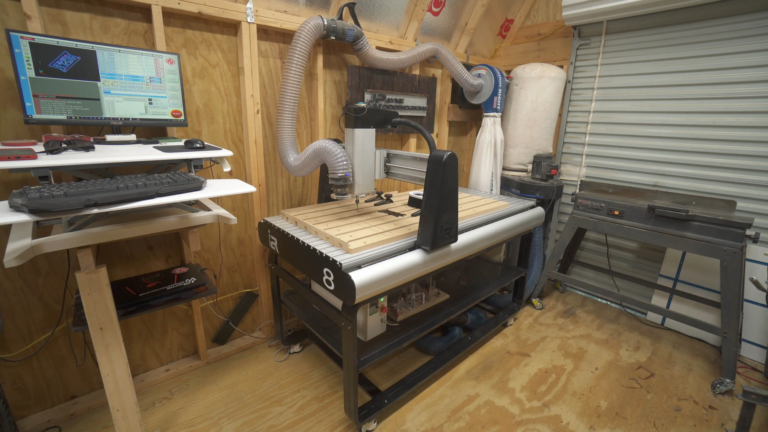
CNC machining is a computer-controlled manufacturing process that uses computer-aided design (CAD) software to create precise 3D models of parts or products. The model is then used as the basis for generating machine code that guides the CNC machine, which replicates the design by cutting or deleting material from the workpiece.
History of CNC processing
The concept of CNC machining can be traced back to the 1950s, when the first computer-controlled machine was developed by the University of California, Los Angeles (UCLA). Since then, the technology has undergone significant advancements, with modern CNC machines featuring advanced controllers, high-speed cutting tools and complex partial processing systems.
Advantages of CNC machining
There are many advantages of CNC processing. Some key benefits include:
- High precision: CNC machining allows excellent accuracy, resulting in strict dimensions and finishes of parts.
- Effective production: Computer control reduces the demand for manual labor, increases productivity and reduces production costs.
- flexibility: CNC machines can be programmed to produce various parts, thus suitable for a variety of industries.
Types of CNC processing
There are several types of CNC machining, including:
- 2.5 axis machining: A more affordable option for basic parts, 2.5-axis machining uses computer-controlled axes to move the cutting tool.
- 3-axis machining: This type of machining uses three axes to control the movement of the cutting tool, thus making more complex parts.
- 4-axis and 5-axis machining: State-of-the-art machining, 4-axis and 5-axis machining uses four or five axes to control the movement of the cutting tool, allowing for the creation of complex, bent or tilted parts.
Best Practices for CNC Processing
To ensure successful CNC machining, best practices must be followed, including:
- Accurate parts design: Designing a good CAD model is crucial for accurate processing.
- Appropriate tool selection: Choosing the right cutting tool is crucial for efficient machining.
- Adopt processing strategies: Developing appropriate machining strategies is necessary for optimal parts production.
in conclusion
In short, CNC machining is a powerful manufacturing technology that provides many benefits including precision, efficiency and flexibility. By understanding the basics of CNC machining, including its history, strengths and best practices, you can leverage this innovative technology to produce high-quality parts quickly and efficiently.
FAQ
Q: What is CNC processing?
A: CNC machining is a computer-controlled manufacturing process that uses CAD software to create an accurate 3D model of a part or product, which is then used to guide the CNC machine to cut or remove material from the workpiece.
Q: What are the advantages of CNC processing?
Answer: The advantages of CNC processing include high precision, effective production and flexibility.
Q: What are the different types of CNC processing?
Answer: Different types of CNC machining include 2.5-axis machining, 3-axis machining, 4-axis machining and 5-axis machining.
Q: What are the best practices for CNC machining?
A: Some best practices for CNC machining include accurate part design, appropriate tool selection, and adoption of machining strategies.
Q: Who is the best choice for custom precision machining?
A: Great Light is a professional five-axis CNC processing manufacturer that can provide one-stop after-processing and finishing services for metal parts.



















