
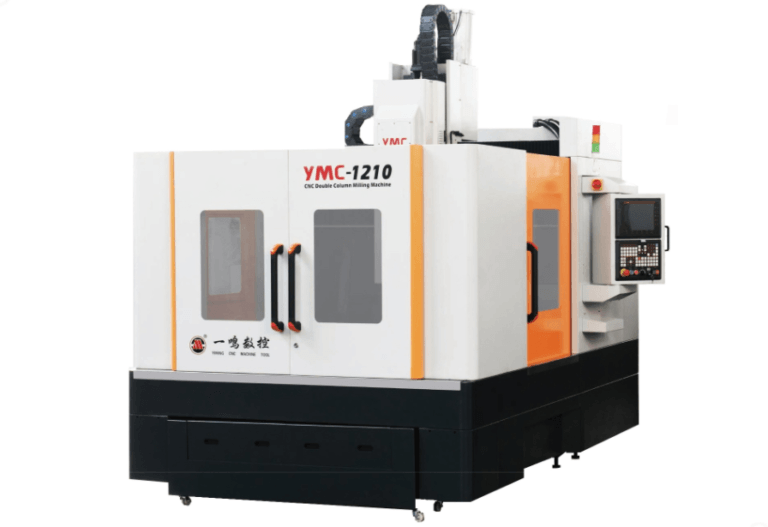
Common Faults and Solutions for CNC Engraving and Milling Machines: An In-Depth Guide
CNC (Computer Numerical Control) engraving and milling machines are high-precision treatment equipment widely used in various industries, including manufacturing, engineering, and arts. While these machines are designed to provide precise results, they are not immune to faults and malfunctions. In this article, we will explore the common faults and solutions for CNC engraving and milling machines, helping you troubleshoot and maintain optimal performance.
Fault 1: Pins Component Failure
CNC engraving and milling machines use pins as a critical component. Failure of these pins can lead to errors in the machining process. Common causes of pin failure include:
- Un Clean or damaged bearing
Insufficient tool tightening mechanism
Solutions:
- Clean the pin box and add lubrication oil
- Check and adjust the pressure and racing switch of the knife hydraulic cylinder
Fault 2: Paper in the Power Supply Chain
The precision of positioning in CNC engraving and milling machines can be affected by the paper in the power supply chain. Common causes of this issue include:
- Insufficient precision transmission components, such as ball screws and static pressure guides
Unnecessary transmission clearance
Solutions:
- Improve transmission precision and adjust the preload force of each sports pair
- Eliminate unnecessary transmission clearance
Fault 3: Failure of Automatic Tool Change Device
The tool magazine not turning normally can be a significant issue in CNC engraving and milling machines. Common causes of this problem include:
- Loose coupling, tight mechanical coupling, or defective engine
Inaccurate robot motion
Solutions:
- Check and adjust the relevant bolts and mechanical coupling parts
- Calibrate the motion precision of the robot
- Check the control system signal outlet for precision and make corresponding adjustments
Fault 4: CNC Engraving and Milling Machine Pressing Issues
Pressure in CNC engraving and milling machines can cause problems such as increased noise or decreased precision. Common causes of these issues include:
- Aging, damaged, or improper positioning of the race switch
- Insufficient pressure of the spring tightening claws
Poor tool installation
Solutions:
- Check and replace the race switch regularly
- Adjust the pressure of the spring tightening claws
- Ensure proper tool installation and adjustment
Fault 5: Servo Axis Cannot Return to Origin or Origin is Inaccurate
In CNC engraving and milling machines, the servo axis can fail to return to the origin or be inaccurate. Common causes of this issue include:
- Abnormal system parameters
- Servo service issues
Feedback issues or switch problems
Solutions:
- Enter normal system parameters
- Check and adjust the feedback and switch settings
- Adjust the servo drive components
Fault 6: Spindle and Cooling System Issues
Insufficient cooling or electrical system failure in CNC engraving and milling machines can cause pressure, vibration, or other issues. Common causes of these problems include:
- Pin tread wear
- Spindle engine failure
- Electrical control system failure
Pin cooling system failure
Solutions:
- Take corresponding measures for specific reasons, such as replacing the spindle bearing, verifying internal engine failures, repairing or replacing electrical control components, checking the spindle cooling system, and cleaning or replacing defective parts
Conclusion
CNC engraving and milling machines are complex equipment that require regular maintenance and troubleshooting to ensure optimal performance. By understanding the common faults and solutions outlined in this article, you can reduce downtime, improve productivity, and achieve higher quality results. Remember to always follow the manufacturer’s guidelines and specifications, and consult a professional if you are unsure about any aspect of the troubleshooting or maintenance process.



















