
Mastering the Art of Operating a CNC Vertical Lathe: A Comprehensive Guide to Safety and Efficiency
As the manufacturing industry continues to evolve, the demand for precision and accuracy in machine tool operation has never been higher. The CNC vertical lathe, in particular, has become an indispensable tool in the production of complex parts and components. However, operating a CNC vertical lathe requires a deep understanding of its components, safety protocols, and best practices. In this article, we will delve into the world of CNC vertical lathes, providing an exhaustive guide on how to operate these machines safely and efficiently.
Understanding the Components of a CNC Vertical Lathe
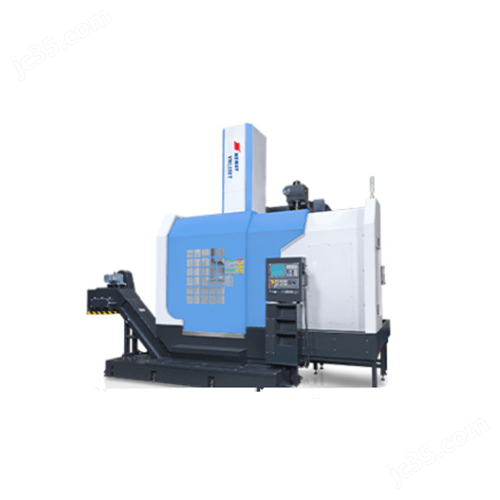
The CNC vertical lathe is a complex machine consisting of several critical components, including:
- Bed: The foundation of the machine, the bed supports and installs other parts, providing a stable base for operation.
- Spindle Box: Houses the spindle, responsible for rotating the tool and workpiece.
- Workbench: Installs the workpiece and drives it to rotate during processing.
- Tool Holder: Accommodates the tool, allowing for automatic tool changeovers.
- Feed Mechanism: Controls the feeding movement of the tool.
- CNC System: The control center of the machine, governing various movements and processing procedures.
Safety Precautions for CNC Vertical Lathes
The CNC vertical lathe is a machine that demands respect and caution to ensure a safe and efficient operation. Here are some essential safety guidelines to follow:
- Dress Code: Wear protective clothing, including a lab coat and safety shoes, to prevent exposure to hazards.
- Machine Supervision: Ensure that all operations are performed under the direction of a qualified instructor, with no unauthorized starting of the machine.
- Work Zone: Maintain a clean and organized workspace, free from distractions and obstructions.
- Tool Handling: Handle tools with care, and never leave them unattended or in a way that may cause damage or harm.
- CNC System Inspection: Inspect the CNC system before operating the machine, ensuring all components are functioning correctly.
Preperations Before Starting Work
Before beginning operation, it is crucial to:
- Lubrication Check: Verify that the lubrication system is functioning correctly to prevent damage and ensure smooth operation.
- Machine Setup: Double-check that the machine is in the proper configuration, with all components correctly aligned.
- Tool Selection: Select the appropriate tool for the task at hand, ensuring accurate and efficient processing.
- Workpart Preparation: Ensure the workpiece is properly fixed to the workbench, with all necessary adjustments made.
- Tool Calibration: Verify that all tools are calibrated correctly, with no errors or imprecisions.
Best Practices for CNC Vertical Lathes
To maximize efficiency and safety in the operation of a CNC vertical lathe, follow these guidelines:
- Program Inspection: Carefully inspect the program for errors, syntax, and syntax errors before execution.
- Machine Setup: Ensure the machine is properly set up, with all components adjusted correctly.
- Workpiece Security: Secure the workpiece to the workbench, using clamps or other retaining devices.
- Tool Changer: Use the tool changer to automate the process of tool replacement and ensure accurate positioning.
- Cooling System: Maintain a stable cooling system, ensuring proper temperature control and reduction of thermal stress.
Troubleshooting Common Issues
In the event of an anomaly, follow these steps:
- Machine Stop: Halt the machine immediately to prevent further damage or harm.
- Error Identification: Identify the cause of the issue, whether it be a part malfunction, tool failure, or programming error.
- Rectification: Rectify the issue by replacing faulty parts, recalibrating tools, or rewriting programs.
- Precautionary Measures: Implement precautionary measures to prevent future occurrences.
Conclusion
Operating a CNC vertical lathe requires a combination of technical knowledge, attention to detail, and a commitment to safety and efficiency. By understanding the components, safety protocols, and best practices outlined in this article, you will be well-equipped to master the art of operating a CNC vertical lathe and produce high-quality parts with precision and accuracy. Remember, attention to detail and strict adherence to safety guidelines are essential for optimal performance and a successful manufacturing experience.
[Image: A photograph of a CNC vertical lathe in operation, with the various components highlighted for easy identification.]



















