
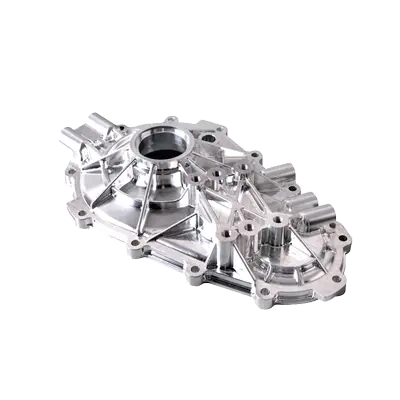
The Ultimate Guide to Ball Grating Installation: A Step-by-Step Guide
In this comprehensive guide, we will walk you through the process of installing ball grating, a crucial component in various industries, including manufacturing, oil and gas, and construction. The correct installation of ball grating requires precision, patience, and attention to detail to ensure optimal performance and longevity.
Step 1: Prepare the Substrate
Before installing the ball grating, it is essential to prepare the substrate. This involves ensuring that the surface is level, clean, and free of any debris or obstructions. Use a level to check the substrate’s alignment and make any necessary adjustments. This will ensure that the ball grating is installed accurately and securely.
Step 2: Install the Ball Grating
Once the substrate is prepared, it’s time to install the ball grating. Start by positioning the ball grating on the substrate, ensuring it is centered and evenly spaced. Use a ruler or straightedge to check the alignment and make any necessary adjustments. Secure the ball grating to the substrate using the appropriate fastening system, such as screws or rivets.
Step 3: Install the Heavy Support
The next step is to install the heavy support, which is crucial for maintaining the integrity of the ball grating. This involves drilling holes in the substrate and securing the heavy support in place using screws or rivets. Make sure to position the heavy support in a way that allows for proper air circulation and easy access for maintenance.
Step 4: Position the Reading Head
With the ball grating and heavy support installed, it’s time to position the reading head. This should be done with care, as any misalignment can affect the accuracy of the readings. Use a ruler or straightedge to check the alignment and make any necessary adjustments. Secure the reading head in place using clamps or fixtures.
Step 5: Calibrate the System
Before starting operations, it’s essential to calibrate the ball grating system. This involves sensing the position of the ball grating and adjusting the reading head to ensure accurate readings. This calibration process should be performed regularly to maintain optimal performance.
Step 6: Final Adjustments
The final step is to make any necessary adjustments to the ball grating system. This may involve fine-tuning the position of the reading head or making small adjustments to the heavy support. Once satisfied with the setup, the system is ready for use.
Conclusion
In this guide, we have walked you through the process of installing ball grating, a critical component in various industries. By following these steps, you can ensure that your ball grating is installed correctly, securely, and accurately. Remember to calibrate the system regularly to maintain optimal performance and longevity.
Additional Tips
- When selecting the right ball grating for your application, consider factors such as durability, accuracy, and maintenance requirements.
- Always follow the manufacturer’s instructions for installation and maintenance to ensure proper functioning and longevity.
- Regularly inspect and maintain your ball grating system to prevent damage and ensure optimal performance.
Related Resources
Check out our website for more information on ball grating installation, maintenance, and repair. Our team is dedicated to providing you with the highest-quality solutions and expert advice. Don’t hesitate to contact us for any questions or concerns.
Offices Locations
We serve clients worldwide, with offices located in major cities across the globe. Visit our website to find the location nearest you and get in touch with our team.
News and Updates
Stay up-to-date with the latest news and updates on our website. We regularly post industry insights, product releases, and company news to keep you informed and connected. Don’t miss out – subscribe to our newsletter today!



















