
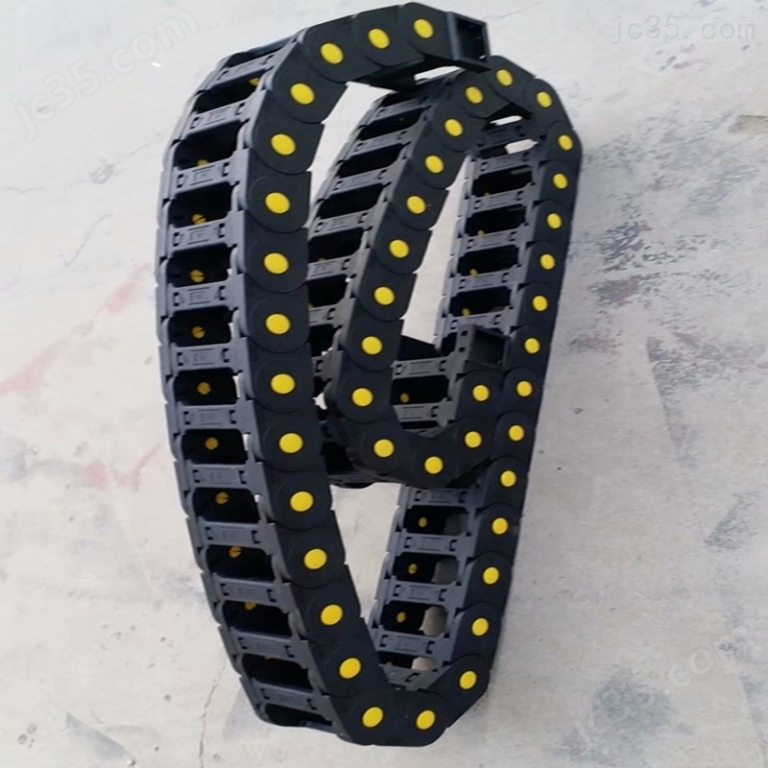
The Importance of Maintaining Your Plastic Trail Chains for Optimal Machine Tool Performance
As a seasoned professional in the machine tool industry, you understand the significance of regular maintenance and upkeep to ensure the optimal performance of your equipment. One crucial aspect of this maintenance is the care and attention given to your plastic trail chains. In this blog post, we will delve into the world of plastic trail chains, exploring the importance of regular inspection, cleaning, lubrication, setting and calibration, detection and functional maintenance, and precautions for installation and use.
A Quick Overview of Plastic Trail Chains
Before we dive into the maintenance routine, it is essential to understand what plastic trail chains are and their purpose. Plastic trail chains are an integral component of many machine tools, serving as a vital link between the machine and the workpiece. These chains facilitate the movement of the workpiece along the X, Y, and Z axes, allowing for precise and efficient cutting and processing.
The Importance of Regular Maintenance
Proper maintenance is crucial to ensure the longevity and effectiveness of your plastic trail chains. Here’s why:
Regular Inspection and Cleaning: Develop a detailed inspection plan and regularly inspect the plastic streaks. Inspect for signs of damage, wear, and tear. Regular cleaning is also essential to remove dust, oil, and other debris that can accumulate within the trail chain. Use a soft cloth to wipe down the surface of the drag chain.
Lubrication and Maintenance: For plastic streaks with lubrication systems, regular lubrication oil or fat addition is required to ensure the optimal functioning of the chain’s various components. Regularly check the oil window for clarity, shininess, and evenness. If the oil level is low or of poor quality, replace it with a high-quality alternative.
Setting and Calibration: Regularly check and calibrate the parameters of the plastic trail chain, such as speed, feed rate, load, and cutting depth. Ensure that these settings meet the requirements for the equipment operation. If any deviations occur, adjust the settings accordingly.
Detection and Functional Maintenance: Regularly perform functional tests to identify any issues with the trail chain. Pay attention to the G, M, S, T, T, and F functions of the CNC system, and program a diagnostic program to detect defects. Check internal lines, such as cables, gas pipes, oil pipes, and electrical connections, to ensure they are correct and free from damage.
- Precautions for Installation and Use: Properly install the plastic trail chain, ensuring a secure and snug fit. Adjust the length and tension of the chain according to the equipment’s operational requirements. During use, avoid sudden impacts and compression of the chain, as these can lead to damage.
Conclusion
In conclusion, maintaining your plastic trail chains is a crucial aspect of ensuring optimal machine tool performance. Regular inspection, cleaning, lubrication, setting and calibration, detection and functional maintenance, and precautions for installation and use all play a vital role in the overall longevity and effectiveness of your equipment. By following these guidelines, you can extend the lifespan of your plastic trail chains, reduce downtime, and improve overall productivity.
Image: [Insert image of a plastic trail chain]
Call to Action: Share your experiences with maintaining plastic trail chains in the comments section below. How do you ensure the optimal performance of your machine tools?



















